Team MD
Many people assume vein problems only become serious when varicose veins become visible. However, vein disease often starts with subtle symptoms that are easy to overlook. Ignoring these early warning signs can allow the condition to progress and cause more discomfort over time.
Recognizing the symptoms early and seeking proper care can help prevent complications and improve your overall quality of life. At Team MD, our specialists help patients identify and treat vein conditions before they become severe.
Why Early Detection of Vein Problems Matters
Your veins are responsible for carrying blood back to the heart. When the tiny valves inside your veins weaken or become damaged, blood may start to pool in the legs instead of flowing upward.
This condition is commonly known as Chronic Venous Insufficiency (CVI) and can gradually lead to swelling, discomfort, skin changes, and visible veins.
The earlier vein problems are diagnosed, the easier they are to treat.
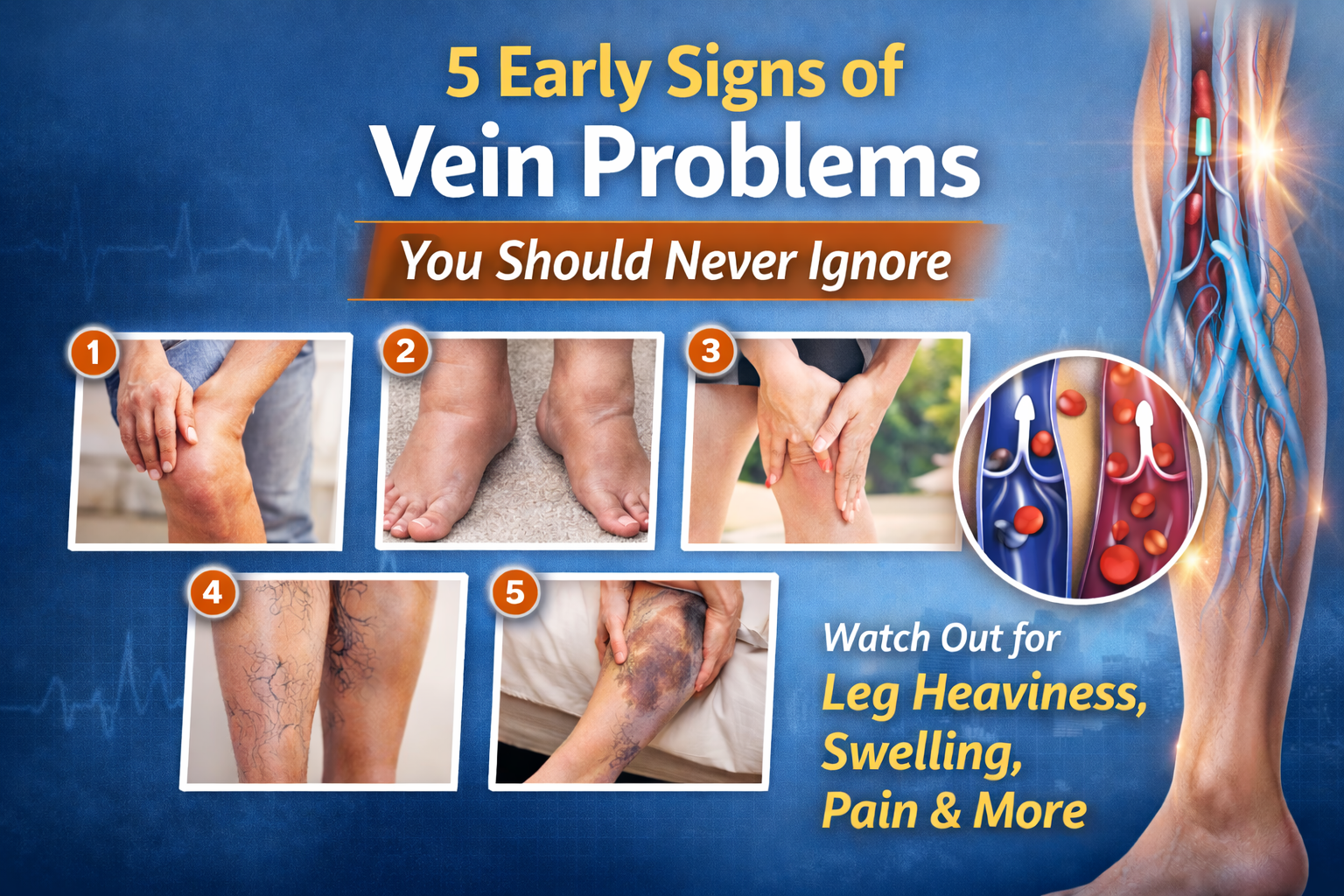
1. Persistent Leg Heaviness
One of the most common early symptoms of vein disease is a feeling of heaviness in the legs, especially after standing or sitting for long periods.
Many people describe it as:
-
Tired or achy legs
-
Difficulty standing for long hours
-
Legs feeling heavy at the end of the day
This happens when blood circulation slows down and pressure builds in the leg veins.
2. Swelling in the Legs or Ankles
If you notice frequent swelling around your ankles or lower legs, it could be a sign that blood is not circulating properly.
Swelling may:
-
Appear after long periods of sitting or standing
-
Improve when you elevate your legs
-
Become more noticeable by the evening
This symptom occurs when fluid builds up in the tissues due to poor venous circulation.
3. Leg Pain or Cramping
Vein problems can also cause aching, throbbing, or cramping in the legs, especially at night.
These symptoms may include:
-
Burning sensations in the legs
-
Muscle cramps
-
Pain that improves with movement or leg elevation
If these symptoms happen regularly, it may be related to underlying vein issues.
4. Visible Spider Veins
Spider veins are small red, blue, or purple veins visible on the surface of the skin. While they are often considered cosmetic, they can sometimes indicate underlying vein problems.
Spider veins usually appear on:
-
Thighs
-
Calves
-
Ankles
Early evaluation can help determine whether they are simply cosmetic or part of a deeper vein condition.
5. Skin Changes Around the Legs
In more advanced cases, poor circulation can lead to noticeable changes in skin color and texture.
Some warning signs include:
-
Dark or discolored skin around the ankles
-
Dry or itchy skin
-
Thickening or hardening of the skin
If left untreated, severe vein disease can even lead to venous ulcers, which are difficult-to-heal wounds.
How to Protect Your Vein Health
There are several simple habits that can help support healthy circulation and reduce pressure on your veins:
-
Stay physically active with regular walking or exercise
-
Avoid sitting or standing for long periods without movement
-
Maintain a healthy body weight
-
Elevate your legs when resting
-
Stay hydrated and eat a balanced diet
These lifestyle habits can significantly improve circulation and reduce the risk of developing vein problems.
When Should You See a Vein Specialist?
If you notice symptoms such as leg swelling, heaviness, visible veins, or skin changes, it may be time to consult a vein specialist.
Early diagnosis allows doctors to recommend effective treatments that can relieve symptoms and prevent the condition from progressing.
At Team MD, our experienced specialists provide advanced vein evaluations and personalized treatment options to help you maintain healthy circulation and long-term comfort.