
Occipital Neuralgia is a condition that causes severe headaches and sharp nerve pain originating from the occipital nerves, which run from the top of the spinal cord up through the scalp. When these nerves become irritated or inflamed, they can cause intense pain in the back of the head, neck, and behind the eyes.

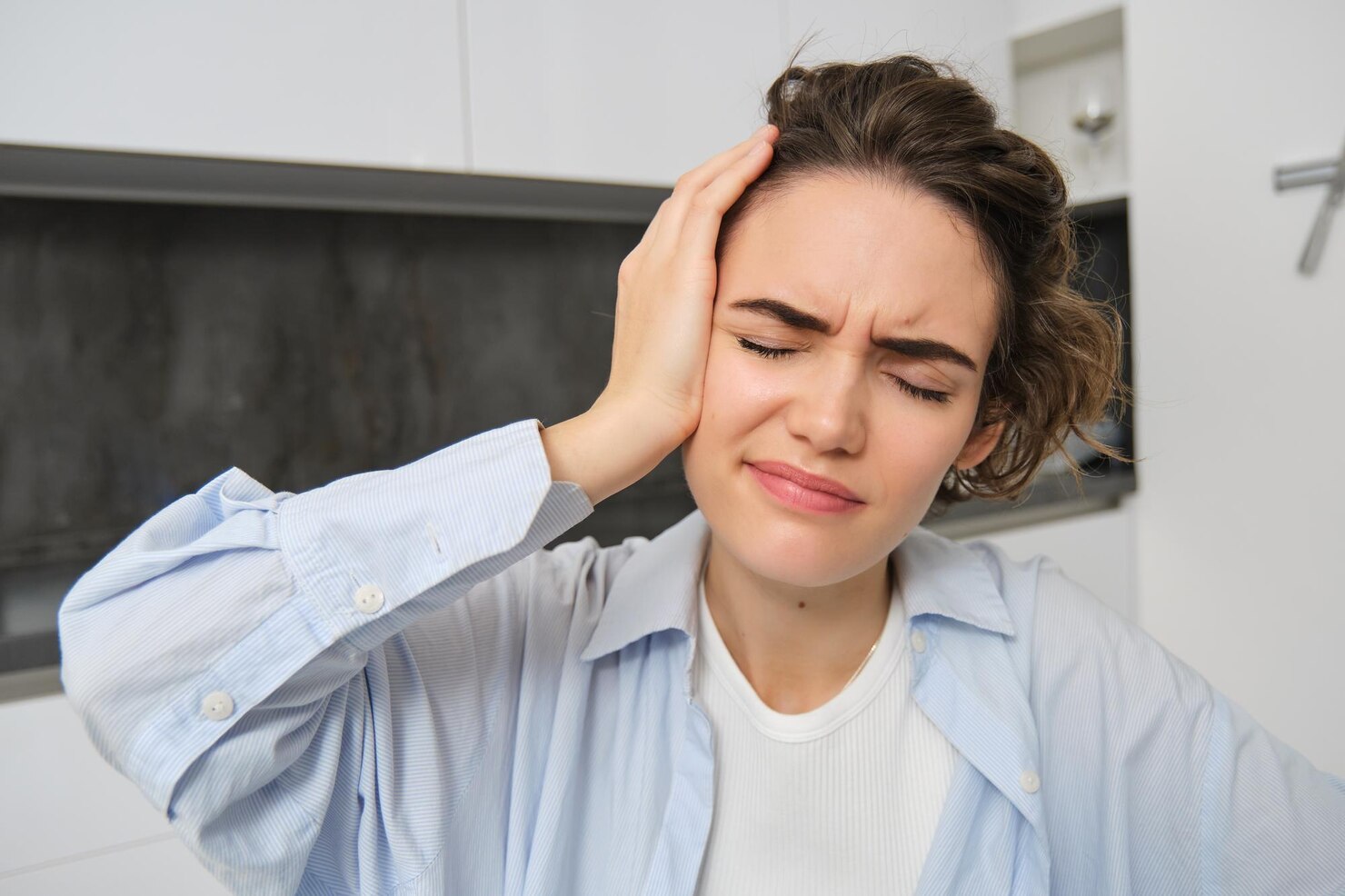
Occipital Neuralgia
Occipital neuralgia is a neurological condition that occurs when the occipital nerves become irritated, compressed, or inflamed. These nerves control sensation in the back and top of the head. When affected, they can cause sudden, shooting pain that travels from the base of the skull toward the scalp.
The pain can occur on one side or both sides of the head and may be triggered by neck movement, pressure on the scalp, or prolonged poor posture.
Because the symptoms often resemble other headache disorders, many patients go undiagnosed until they see a pain specialist.
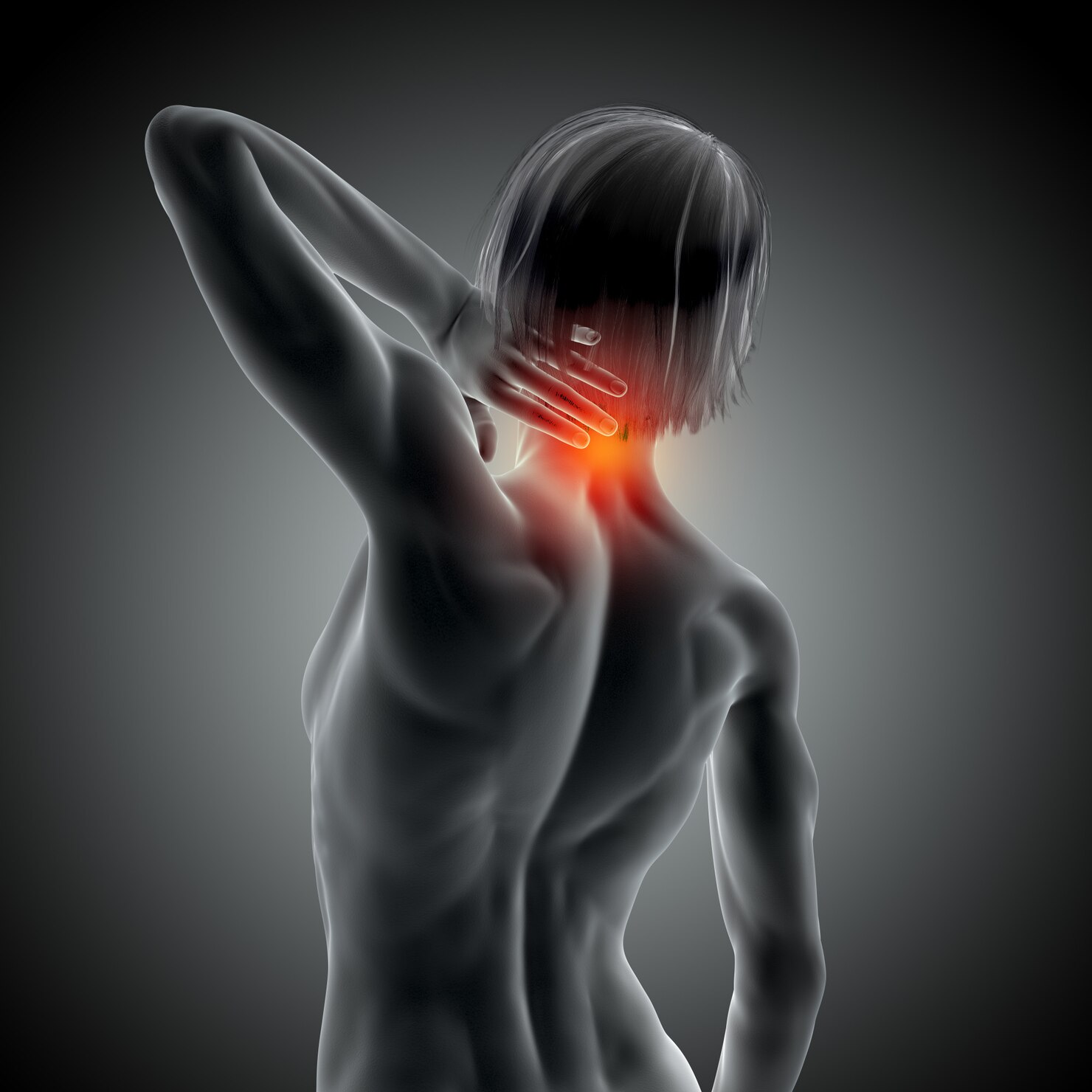
The symptoms of occipital neuralgia can vary in severity and frequency. Common symptoms include:
Some patients may also experience sensitivity when brushing their hair or touching the scalp.
Occipital neuralgia occurs when the occipital nerves become compressed or irritated. This can happen due to several underlying conditions.
Common causes include:
In some cases, the exact cause may not be clearly identified.
At Team MD, we offer a variety of treatments designed to reduce inflammation, relieve nerve pressure, and manage chronic pain associated with occipital neuralgia.
Occipital Nerve Blocks
Occipital nerve blocks are a common treatment for this condition. This procedure involves injecting medication around the occipital nerves to reduce inflammation and interrupt pain signals.
Trigger Point Injections
Trigger point injections help relax tight muscles in the neck and shoulders that may be compressing the occipital nerves.
Pain Management Therapies
Our pain specialists use targeted pain management strategies to help control nerve-related pain and reduce discomfort.
Spinal Injections
Spinal injections may be recommended if nerve irritation originates from the cervical spine. These treatments can help reduce inflammation and relieve pressure on affected nerves.
Physical Rehabilitation
Physical therapy can help strengthen neck muscles, improve posture, and reduce strain on the occipital nerves. Gentle exercises may also improve flexibility and prevent future flare-ups.
At Team MD, we understand how debilitating nerve-related headaches can be. Our experienced team focuses on identifying the root cause of your pain and providing advanced treatment options to help you find relief.
Patients trust Team MD because we offer:
Our goal is to help patients manage pain effectively and return to normal daily activities with improved comfort.
Occipital neuralgia may be triggered by neck injuries, muscle tension, nerve compression, or inflammation affecting the occipital nerves.
Migraines often cause throbbing pain along with nausea or visual disturbances. Occipital neuralgia usually causes sharp, stabbing pain that begins at the base of the skull and travels upward.
Diagnosis typically involves a physical examination and review of symptoms. Doctors may also use diagnostic nerve blocks to confirm the condition.
Yes. Most cases are managed with non-surgical treatments such as nerve blocks, injections, physical therapy, and pain management therapies.
If you experience recurring sharp pain in the back of your head, scalp tenderness, or headaches that do not improve with standard treatments, you should consult a specialist for evaluation.
Phone number
Timing ( Mon to Sat )
2,000+ reviews on

I am being accompanied by this excellent doctor Dr. Kandra, as well as her entire team of excellent professionals, extremely attentive, docile and sweet, I don’t think I could have better medical care! My sincere congratulations to these Angels of Light on earth. Gratitude
S. Tavares
Great doctor, staff is lovely, took care of me as soon as I got there, nice quick and easy
P. Montan
Local Guide · Level 5
I’ve had great experiences every time I’ve gone to premier med! The staff is great I love the nurses at the surgical center! Dr Kandra is a caring…
S. Campbell
Was very satisfied with the cleanliness of the office . The staff was very professional and nice.
Diane P
Fill out the form below, and we’ll contact you shortly.
Phone
Mon–Fri: 09:00 AM – 05:00 PM