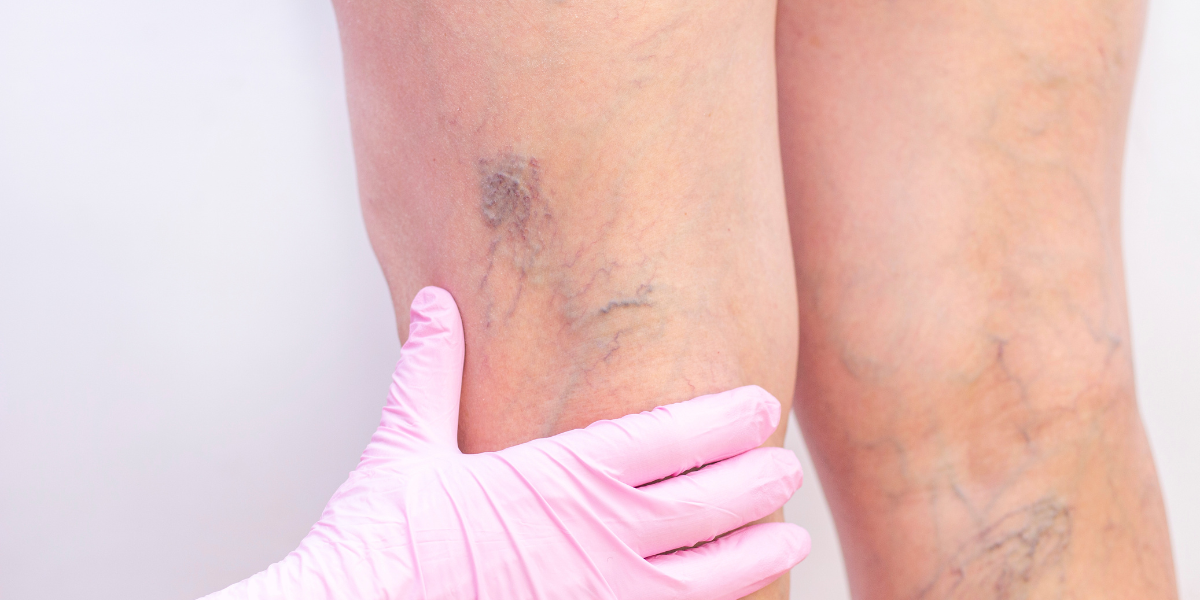
Many people are surprised when they begin experiencing vein issues despite maintaining a healthy lifestyle. Regular exercise, a balanced diet, and avoiding harmful habits often seem like enough to protect overall health, including circulation. However, vein conditions can still develop even in individuals who appear low risk.
While lifestyle plays a role, many vein problems stem from factors beyond daily habits. Genetics, aging, and internal structural differences can all influence how veins function. These underlying contributors often go unnoticed until symptoms begin to surface.
Understanding vein disease symptoms early can make a meaningful difference. With timely care and minimally invasive treatments, patients can protect long-term vein health and avoid more serious complications.
Understanding Why Vein Issues Can Occur Without Risk Factors
Vein conditions are often associated with obesity, smoking, or inactivity, but that is not always the case. Many healthy individuals develop circulation problems due to internal biological factors.
In some cases, hidden vein circulation problems exist long before visible symptoms appear. These internal issues affect how blood flows through the veins and can gradually lead to discomfort or visible changes.
The Role Of Blood Flow And Valve Function
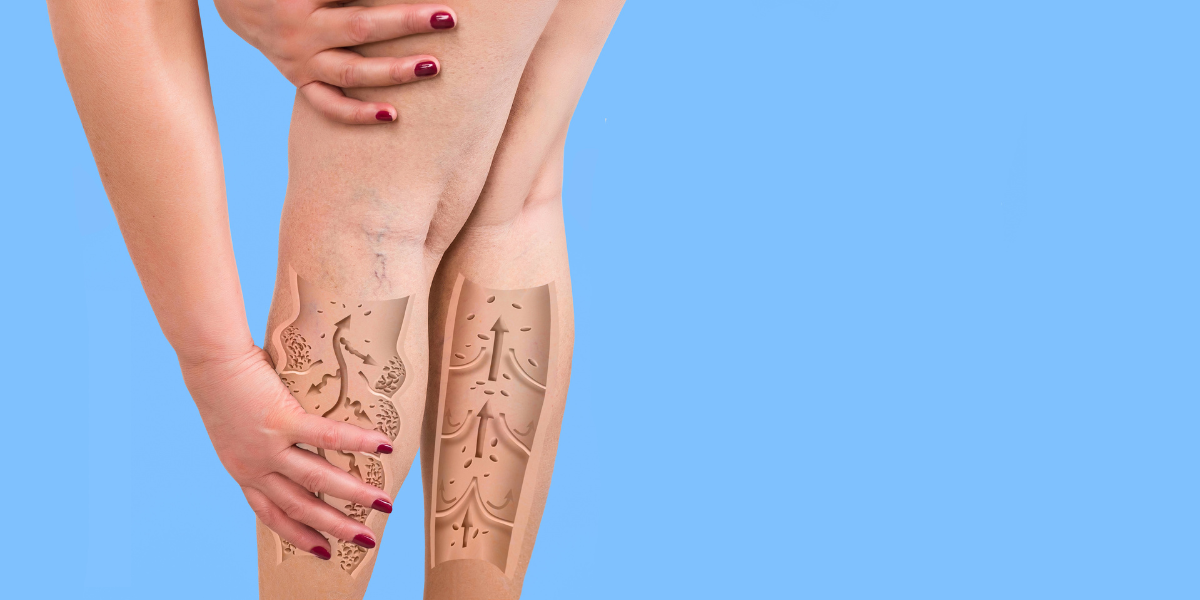
Veins rely on tiny one-way valves to keep blood moving upward toward the heart. These valves prevent blood from flowing backward, especially in the legs, where gravity adds pressure.
When these valves weaken or fail, blood begins to pool instead of circulating efficiently. Over time, this leads to swelling, discomfort, and visible vein changes.
Why Some Causes Remain Invisible
Many vein conditions develop internally before becoming noticeable. Structural weaknesses or valve issues may not produce symptoms right away.
Patients often experience symptoms only after the condition progresses, which is why early evaluation is important even for those without obvious risk factors.
Genetic Predisposition: The Leading Cause Of Vein Problems
One of the most significant contributors to vein conditions is heredity. genetic vein disorders often explain why some people develop problems despite healthy habits.
Family history plays a major role in determining how veins function, making varicose veins without risk factors more common than many realize.
Inherited Vein Structure Weakness
Some individuals inherit weaker vein walls or faulty valves. These structural issues reduce the efficiency of blood circulation.
As a result, they are more likely to experience early vein disease symptoms even at a younger age.
Collagen And Tissue Abnormalities
Collagen provides strength and flexibility to blood vessels. When collagen production is affected by genetics, veins may lose their ability to maintain proper shape.
These variations can contribute directly to the development of vein-related conditions and visible symptoms.
Vascular Remodelling Tendencies
Certain individuals naturally form new blood vessels more easily. While this can be beneficial in healing, it may also lead to abnormal vein patterns.
This process can result in dilation or enlargement of veins, increasing the likelihood of noticeable vein issues over time.
The Natural Aging Process And Vein Health

Aging is a natural factor that affects every part of the body, including the circulatory system. Even physically active adults can experience changes in vein function over time.
As the body ages, the risk of developing chronic venous insufficiency signs increases, regardless of lifestyle.
Loss Of Elasticity In Vein Walls
Over time, veins lose their flexibility and strength. This reduces their ability to push blood effectively against gravity.
The increased pressure can cause veins to stretch, leading to pooling and visible vein changes.
Weakening Of Vein Valves
Valve function naturally declines with age. These valves become less effective at preventing backward blood flow.
This gradual decline contributes to long-term circulation problems and increases the likelihood of chronic conditions.
Hidden Or Silent Causes Of Vein Disease

Some vein conditions develop due to underlying issues that are not immediately visible. These causes often remain undetected until symptoms begin to interfere with daily life.
Understanding these hidden contributors helps explain why even healthy individuals can develop vein disease.
Congenital Vein Abnormalities
Some people are born with vein structures that lack proper valves or have weakened walls.
These abnormalities can lead to early development of symptoms without any clear external cause.
Primary Valve Malfunction
In certain cases, veins widen over time, preventing valves from closing properly.
This leads to inefficient circulation and blood pooling, even without injury or lifestyle-related triggers.
Undiagnosed Injuries Or Trauma
Past injuries to the legs can damage veins internally. These injuries may not cause immediate symptoms.
Years later, patients may begin experiencing discomfort or visible vein changes linked to earlier trauma.
Anatomical Obstructions
Blockages in deeper veins can redirect blood flow to superficial veins.
This increases pressure and often results in visible varicose veins or swelling in the legs.
Subtle Lifestyle Triggers That Still Impact Vein Health
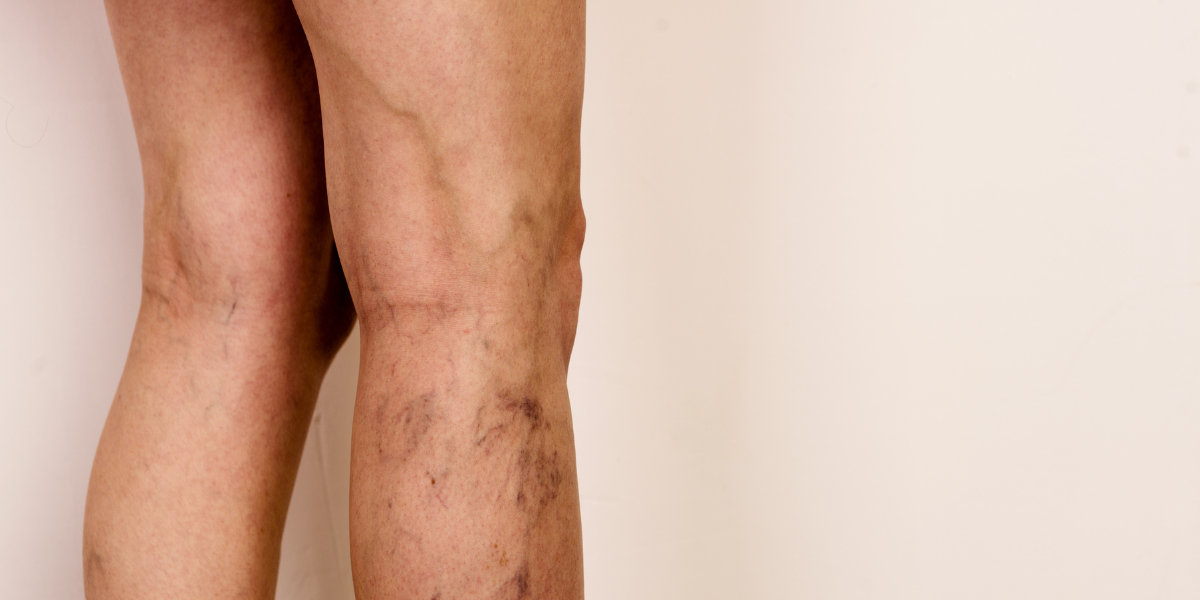
Even individuals with generally healthy habits may have daily routines that affect circulation. These subtle triggers can contribute to vein conditions over time.
Often, these factors work alongside genetic predispositions to influence overall vein function.
Prolonged Sitting Or Standing
Jobs that require long periods of sitting or standing can limit proper blood circulation.
Professions such as teaching, healthcare, and office work often increase the risk of blood pooling in the legs.
Hormonal Changes
Hormones such as estrogen and progesterone can weaken the walls of veins.
Pregnancy, menopause, and even monthly cycles may influence how veins function and contribute to symptoms.
Footwear And Daily Habits
High heels can reduce the effectiveness of calf muscles, which help pump blood upward.
Tight clothing may also restrict circulation, adding pressure to already stressed veins.
Early Signs Of Vein Disease You Shouldn’t Ignore
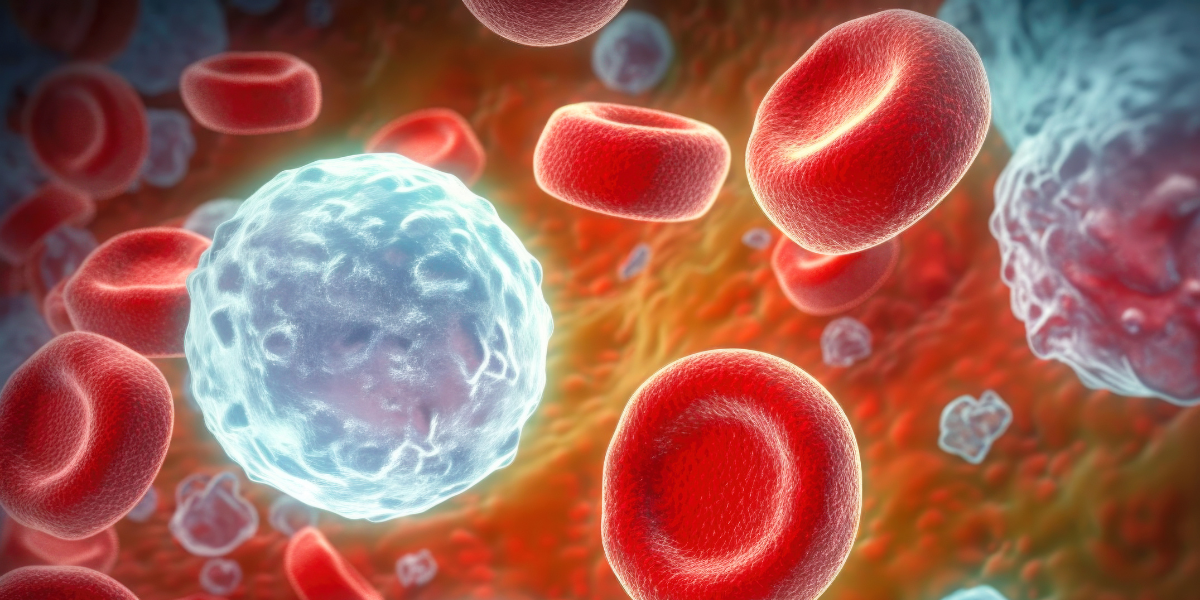
Recognizing symptoms early allows patients to seek care before conditions worsen. Paying attention to subtle changes can prevent long-term complications.
Common Early Vein Disease Symptoms
Many people notice mild discomfort before visible changes appear. Common symptoms include:
- Leg heaviness or fatigue
- Aching after long periods of inactivity
- Mild swelling or tightness
These symptoms may seem minor, but often signal underlying circulation issues.
Chronic Venous Insufficiency Signs
As conditions progress, symptoms may become more noticeable. These include:
- Skin discoloration or dryness
- Persistent itching
- Bulging or twisted veins
Addressing these signs early can help prevent more serious complications.
When To Seek Professional Care For Vein Issues
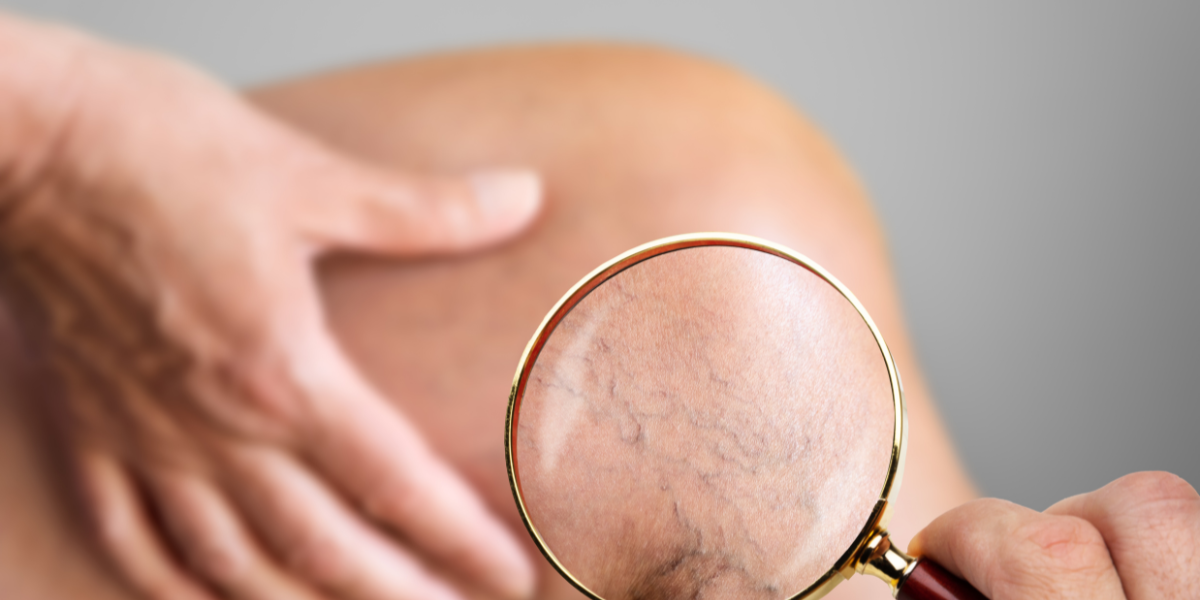
Seeking medical evaluation at the right time can prevent progression and improve quality of life. Early diagnosis allows for more effective treatment options.
Warning Signs That Should Prompt Evaluation
Patients should consider professional care if they experience:
- Ongoing leg pain or swelling
- Visible veins that worsen over time
- Symptoms that interfere with daily activities
Ignoring these signs can lead to more advanced conditions.
Benefits Of Early Treatment
Early intervention helps prevent complications and improves overall comfort.
Modern treatments are minimally invasive, allowing patients to return to normal activities quickly while improving both function and appearance.
Advanced, Minimally Invasive Treatments For Vein Problems
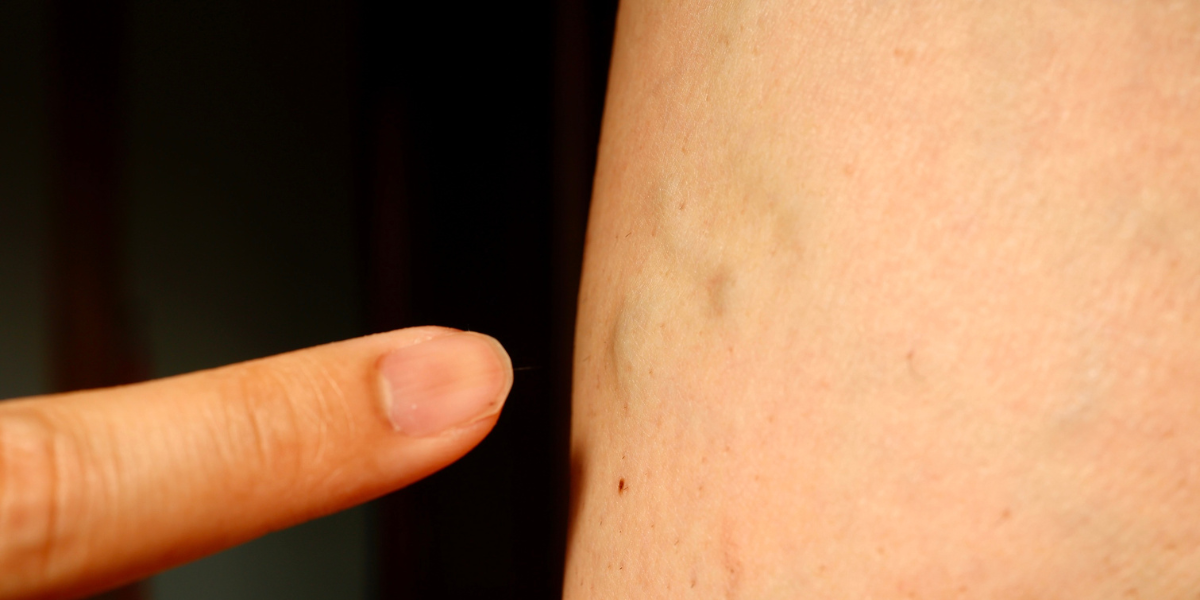
Medical advancements have made vein treatments safer and more effective. Many options now require little to no downtime.
Diagnostic Technology
Ultrasound imaging plays a key role in identifying underlying circulation issues.
This technology helps detect hidden problems and allows specialists to create personalized treatment plans.
Treatment Options
Patients today have access to several effective treatments, including:
- Sclerotherapy for smaller veins
- Laser therapy for targeted treatment
- Other minimally invasive procedures for larger veins
These approaches improve comfort, restore circulation, and enhance appearance.
Accessible, Expert Vein Care Close To Home
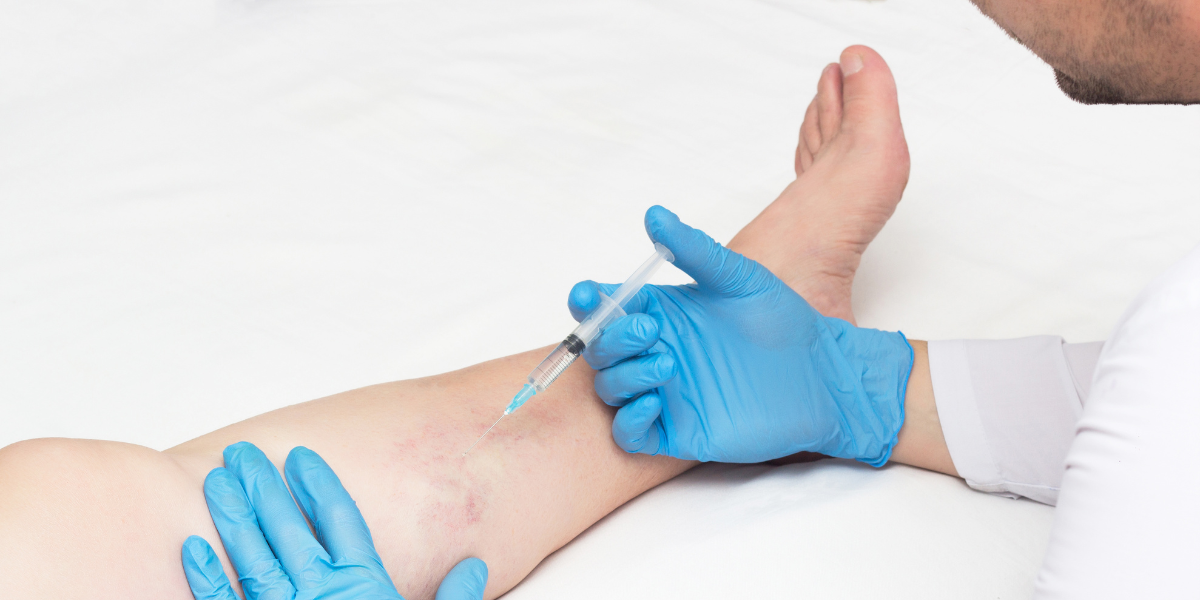
Convenient access to care plays an important role in successful treatment. Patients benefit from having specialists nearby for ongoing support.
Benefits Of Local Treatment
Receiving care close to home makes follow-up visits easier.
It also reduces stress for patients dealing with discomfort or mobility challenges.
Personalized Care Approach
Each patient’s condition is unique. Treatment plans are designed based on individual needs and underlying causes.
Collaboration with healthcare providers ensures comprehensive and effective care.
How We Diagnose And Treat Vein Issues At TeamMD Medical
At, our focus is on delivering precise diagnosis and effective treatment tailored to each patient.
Our Comprehensive Evaluation Process
We use advanced imaging, including ultrasound, to identify circulation issues that may not be visible externally.
Our specialists carefully assess symptoms and medical history to provide accurate diagnoses and targeted care plans.
Our Minimally Invasive Treatment Options
We offer a range of non-surgical treatments designed to address vein conditions efficiently.
These options aim to improve circulation while minimizing recovery time and discomfort.
Our Multidisciplinary Approach To Patient Care
Our team brings together expertise in vascular care, pain management, and related specialties.
This approach ensures that both the root cause and associated symptoms are treated effectively.
Care Close To Home Across New Jersey And Pennsylvania
We provide care in multiple communities, making it easier for patients to access treatment without long travel times.
Our goal is to help patients regain mobility, reduce discomfort, and improve daily life.
Conclusion
Vein conditions can develop even in individuals who maintain a healthy lifestyle. Genetic factors, structural differences, and the natural aging process all play a role in how veins function.
Recognizing symptoms early and understanding the underlying causes can help prevent complications. Taking action at the first sign of discomfort allows for more effective and less invasive treatment options.
If you are experiencing any symptoms or have concerns about your vein health, contact our team today. A simple evaluation can provide clarity and help you take the next step toward lasting relief and better circulation. Don’t wait any longer for relief. Make an appointment with our knowledgeable staff right away
Frequently Asked Questions About Vein Issues
What Causes Vein Disease To Develop?
Vein disease often develops due to a combination of genetics, aging, and internal circulation issues. Lifestyle factors may contribute, but they are not always the primary cause.
Can You Be Healthy And Still Have Varicose Veins?
Yes, many healthy individuals experience vein conditions. Family history and structural differences often explain why this occurs.
Why Have I Suddenly Developed Varicose Veins?
Symptoms may appear suddenly as underlying conditions progress. Hormonal changes, prolonged standing, and aging can all trigger noticeable changes.
What Are The First Signs Of Vein Disease?
Early symptoms include leg heaviness, mild swelling, aching, and visible veins. Identifying these signs early allows for timely treatment and better outcomes.