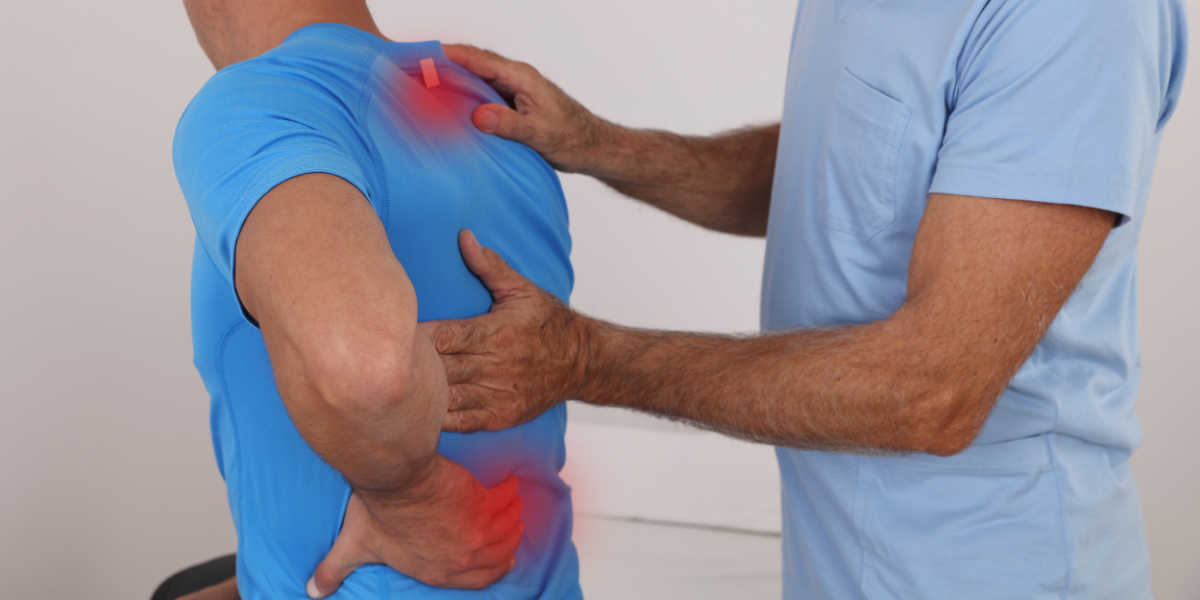
Chronic back and neck pain can quietly take over your life, limiting your ability to work, move freely, and enjoy everyday activities. For millions of people, that pain becomes a constant companion that no amount of rest or medication seems to fully resolve. Fortunately, spine care has advanced significantly over the past decade, offering patients targeted solutions that were once unimaginable. Many patients are now turning to minimally invasive spine treatments as a genuine alternative to traditional open surgery. These approaches combine precision technology with outpatient convenience, making advanced spine pain relief accessible to more people than ever before.
Why Traditional Spine Surgery Isn’t Always the First Choice
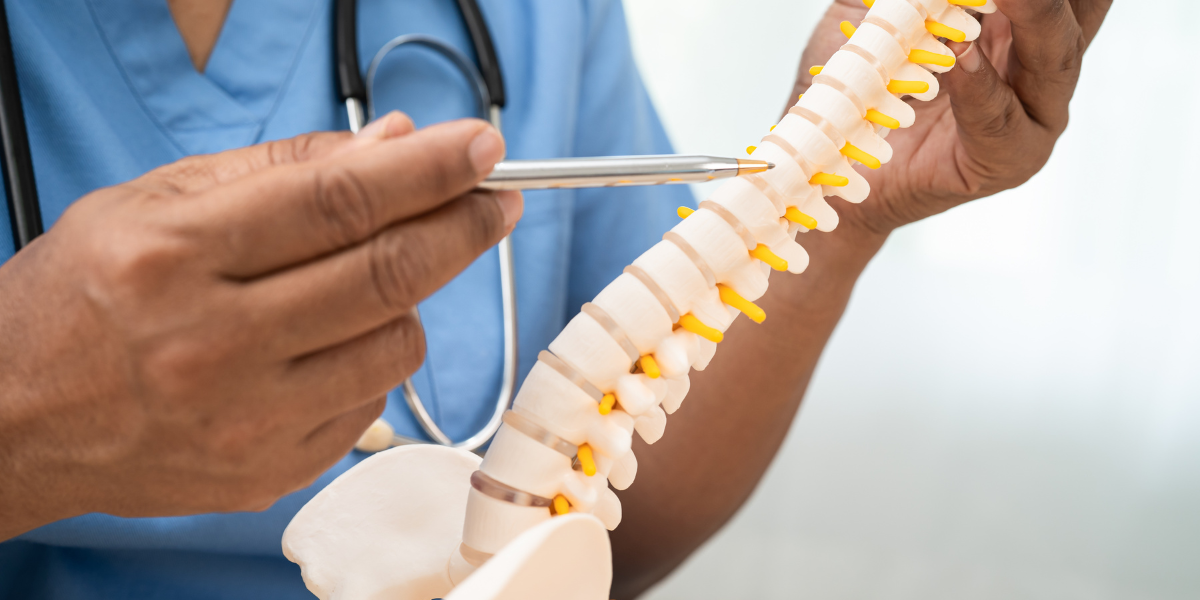
Open spine surgery has long been a last resort for patients with severe structural problems, but its demands on the body have led many physicians and patients to reconsider it as a default option. Modern techniques now offer compelling alternatives with fewer trade-offs.
Limitations of Traditional Spine Surgery
Traditional open surgery involves large incisions that cut through layers of muscle and tissue to reach the spine. This level of disruption leads to significant post-operative pain, extended hospital stays, and a recovery period that can stretch for months. Beyond the time cost, the risks are real:
- Large incisions increase exposure to infection
- Significant muscle damage raises long-term complication rates
- Extended downtime affects work, family, and mental health
The Shift Toward Minimally Invasive Spine Care
Growing numbers of patients are researching safer, faster alternatives before agreeing to traditional procedures. At the same time, spine specialists are embracing precision-based approaches that reduce unnecessary tissue trauma. This dual shift in patient demand and physician preference has accelerated the adoption of minimally invasive back procedures across the country.
What Makes Minimally Invasive Spine Treatments Different?
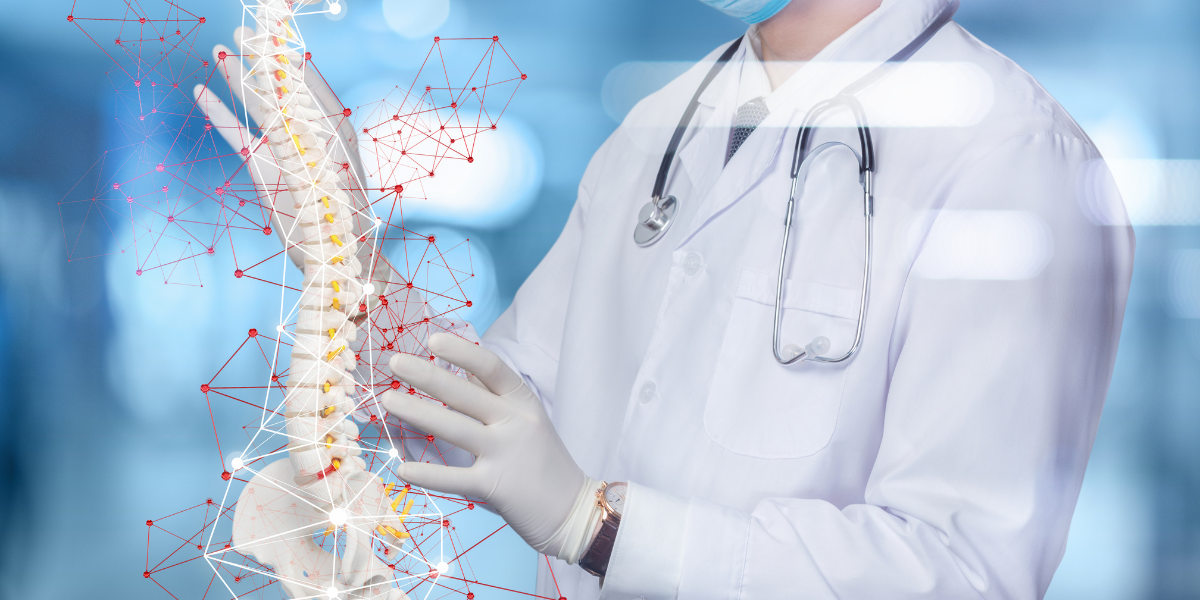
The fundamental difference lies in how surgeons access the spine. Rather than opening a large field, these techniques use specialized tools through small openings, protecting the surrounding anatomy while still achieving precise results.
Smaller Incisions, Less Tissue Damage
Surgeons performing minimally invasive back procedures use tubular retractors and endoscopic tools that create a narrow working channel to the spine. Muscles are gently separated rather than cut, which dramatically reduces tissue trauma. The result is less bleeding, lower post-procedure pain, and a faster path to recovery.
Advanced Imaging for Precision
Image guided spine treatment relies on real-time imaging, 3D navigation, and robotic assistance to give surgeons a precise view of spinal anatomy throughout a procedure. This level of visualization reduces the margin for error and improves outcomes, making complex procedures safer even in difficult anatomical situations.
Key Advantages of Minimally Invasive Spine Treatments
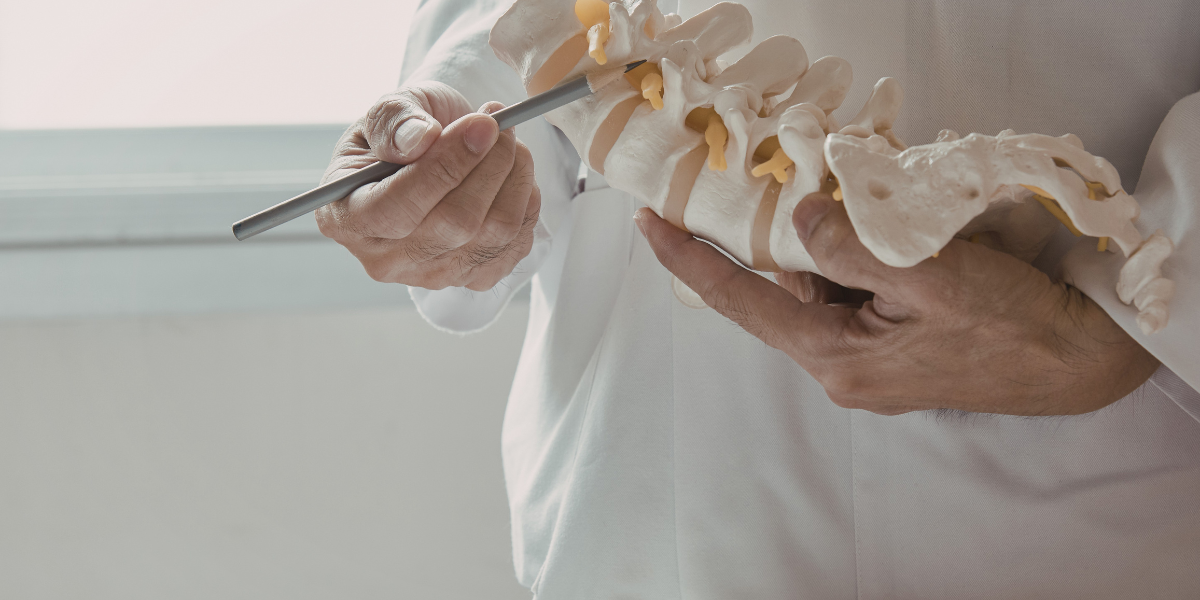
Patients who undergo these procedures consistently report meaningful improvements across several measures, from pain levels to recovery speed to overall quality of life.
Reduced Pain and Tissue Trauma
Because surrounding muscles and tissues are largely undisturbed, patients experience significantly less post-procedure pain. This reduced disruption means lower reliance on opioid pain medications during recovery, which carries its own set of health benefits.
Faster Recovery and Return to Daily Life
Many procedures are performed through outpatient spine care services, meaning patients go home the same day. Recovery timelines are considerably shorter compared to open surgery, and patients often resume desk work, light exercise, and daily routines within days rather than weeks.
Lower Risk of Complications
Smaller incisions translate to reduced blood loss and a lower risk of surgical site infections. For older patients or those with underlying health conditions, this safety profile makes minimally invasive techniques a far more viable option than traditional surgery.
Improved Cosmetic Outcomes
Incisions in these procedures are often under 2 centimeters, leaving behind minimal scarring. For patients concerned about surgical scars, this is a meaningful benefit that adds to overall satisfaction with their care.
Innovative Procedures Driving the Change in Pain Management
Several specific treatments have become central to modern spine pain management, each targeting different aspects of spinal dysfunction with impressive precision.
Spinal Injection Therapy
Spinal injection therapy delivers anti-inflammatory medication directly to the source of pain, reducing swelling around irritated nerves and discs. These injections serve a dual purpose: they provide relief and help physicians pinpoint the exact origin of pain, which guides further treatment decisions for back, neck, and nerve-related conditions.
Nerve Block Procedures
Nerve block procedures interrupt pain signals along specific nerve pathways, offering targeted relief for patients dealing with chronic nerve pain, sciatica, or facet joint dysfunction. By blocking the signal before it reaches the brain, these treatments can provide significant and sometimes lasting relief without surgery.
Spinal Decompression Therapy
Spinal decompression therapy uses mechanical traction to gently stretch the spine, creating negative pressure that helps retract herniated disc material and relieves compression on spinal nerves. This non-surgical option is especially effective for patients with herniated discs or spinal stenosis who have not responded to rest or physical therapy.
Endoscopic Spine Procedures
Endoscopic techniques like endoscopic discectomy allow surgeons to directly visualize and treat spinal problems through a thin tube equipped with a camera and light source. The result is precise removal of disc material or other obstructions with minimal disruption to surrounding anatomy.
Kyphoplasty and Vertebral Procedures
For patients suffering from painful vertebral compression fractures, kyphoplasty offers a minimally invasive solution. A small balloon is inserted into the collapsed vertebra, inflated to restore height, and then filled with bone cement. This stabilizes the fracture, relieves pain, and improves spinal alignment with a short recovery period.
Conditions Effectively Treated with MISS
These techniques address a wide range of spinal and nerve conditions that affect millions of adults across the country.
Common Spine and Nerve Conditions
Minimally invasive techniques have proven effective for herniated discs, degenerative disc disease, spinal stenosis, and various nerve compression syndromes, including sciatica. Patients dealing with radiating leg or arm pain, numbness, or weakness due to nerve involvement often see significant improvement.
When Conservative Treatments Aren’t Enough
Patients who have spent months in physical therapy or have tried multiple medications without lasting relief often find that minimally invasive procedures offer the breakthrough they needed. These treatments serve as a highly effective middle step before any consideration of open surgery is necessary.
The Role of Technology in Modern Spine Care
Technological advances have been the backbone of this shift in spine care, enabling levels of precision that simply were not possible a generation ago.
3D Imaging and Navigation Systems
Real-time 3D imaging gives surgeons a detailed, continuously updated view of spinal structures during a procedure. This live visualization is the foundation of image guided spine treatment, helping physicians navigate complex anatomy with greater confidence and accuracy.
Robotic-Assisted Spine Procedures
Robotic systems assist surgeons in placing implants and making precise movements with a consistency that reduces human variability. In delicate procedures where fractions of a millimeter matter, robotic assistance lowers the risk of error and improves reproducible outcomes across diverse patient populations.
What to Expect During Your Consultation

Understanding what happens during an initial consultation can ease anxiety and help patients arrive prepared for a productive conversation with their care team.
Comprehensive Pain Management Evaluation
A thorough pain management evaluation begins with a detailed physical assessment, a review of your medical history, and diagnostic imaging such as MRI or X-ray. The goal is to identify the precise structural or neurological cause of your pain rather than simply treating symptoms.
Personalized Treatment Planning
Once the root cause is identified, your physician will recommend the most appropriate spine care treatments for your specific condition. You will receive a clear explanation of the recommended procedures, expected outcomes, potential risks, and what recovery will look like.
Preparing for an Invasive Spine Procedure Consultation
Patients should bring prior imaging, a list of current medications, and notes about their symptoms and pain patterns. Clear, honest communication with your specialist about what you have already tried and how your pain affects daily life helps ensure that your treatment plan is both realistic and effective.
Who Benefits Most from Minimally Invasive Spine Treatments?
Not every patient is a candidate, but a large portion of people dealing with chronic spine pain qualify for at least one minimally invasive approach.
Ideal Candidates
Patients who have been living with chronic back or neck pain, those who have not responded to conservative care, and individuals referred by their primary care physician for specialized spine pain treatment are often excellent candidates. Age alone is rarely a barrier, and many older patients benefit greatly from these gentler approaches.
When Traditional Surgery May Still Be Needed
Patients with severe spinal instability, significant structural deformity, or certain complex conditions may still require traditional open surgery to achieve safe and lasting results. This determination is made through expert evaluation, and a skilled specialist will always present the full range of options honestly.
Local Access to Advanced Spine Care
Access to high-quality spine care should not require extensive travel or long waiting periods.
Convenient Care Close to Home
TeamMD Medical serves patients across Clifton, Jersey City, Hillsborough, Metuchen, Somerset, East Brunswick, and Easton, bringing advanced outpatient spine care services within reach of communities throughout New Jersey and Pennsylvania. Patients can access expert evaluation and treatment close to home, reducing the burden that travel adds to an already difficult situation.
Coordinated Care with Referring Physicians
TeamMD works closely with primary care providers and referring specialists to ensure a smooth transition into specialized spine care. Detailed communication between care teams means nothing falls through the cracks and patients receive consistent, coordinated support throughout their treatment journey.
Why Patients Trust TeamMD for Minimally Invasive Spine Care
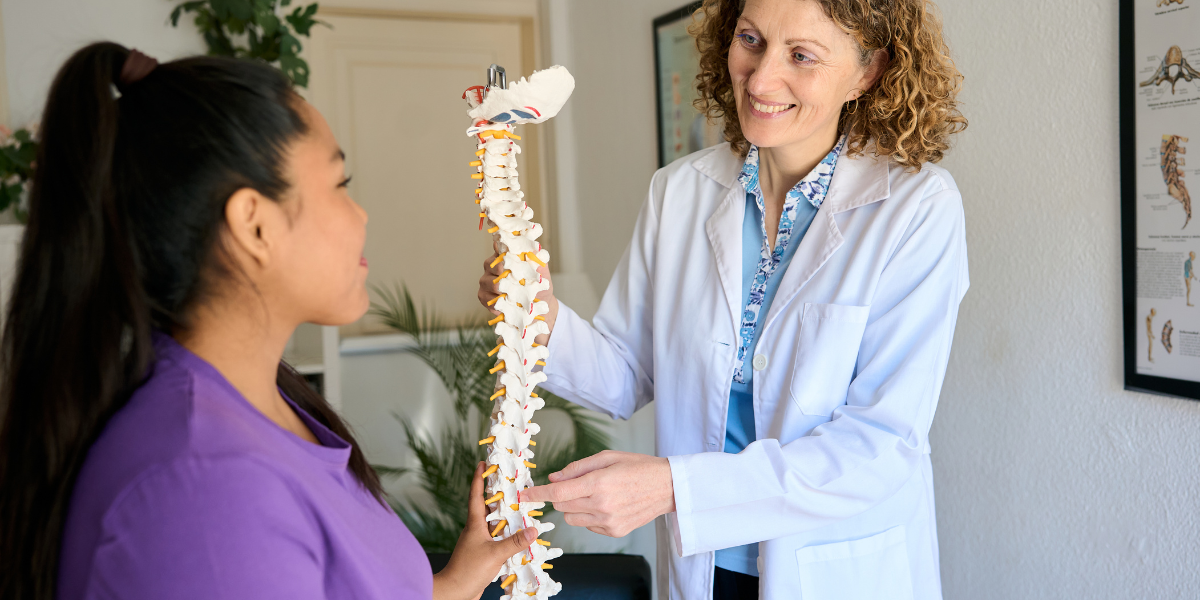
TeamMD Medical has built its reputation on combining advanced clinical expertise with a genuine commitment to patient-centered care.
Our Comprehensive, Patient-Centered Approach
We provide advanced spine care treatments, pain management, orthopedic care, and rehabilitation all under one roof, which means patients receive coordinated care without the hassle of managing multiple providers. Our team builds personalized treatment plans tailored to each patient’s condition, lifestyle, and recovery goals.
Expertise You Can Rely On
Our board-certified physicians specialize in chronic back and neck pain, sciatica, joint conditions, and nerve-related disorders. We offer a full spectrum of advanced minimally invasive spine treatments, including nerve block procedures, epidural injections, PRP therapy, and radiofrequency ablation, giving our team the tools to address complex cases with precision and confidence.
Advanced Technology and Minimally Invasive Solutions
We utilize image-guided spine treatment and the latest minimally invasive techniques to improve procedural accuracy and patient outcomes. Our overarching goal is to reduce pain, restore function, and help patients avoid traditional surgery whenever a safer alternative exists.
Convenient Care Across New Jersey and Pennsylvania
With multiple locations across the region, we make it straightforward for patients to access expert outpatient spine care services close to where they live and work. We collaborate closely with referring physicians to ensure every patient experiences seamless, well-coordinated care from start to finish.
Conclusion
Minimally invasive spine treatments represent a fundamental shift in how chronic back and neck pain is managed. With smaller incisions, advanced imaging, targeted injections, and robotic precision, patients now have access to effective spine care that causes less disruption, carries fewer risks, and allows for faster recovery than traditional surgery. Whether you are living with a herniated disc, spinal stenosis, sciatica, or persistent nerve pain, these approaches offer a genuine path toward relief.
If you are ready to take the next step, contact TeamMD Medical today to schedule a pain management evaluation or an invasive spine procedure consultation. Our specialists will work with you to identify the root cause of your pain and create a personalized plan designed around your needs. Call us or visit teammdmedical to book your appointment and start moving toward a life with less pain.