
Understanding, Diagnosing & Treating Herniated Discs with Expert Care

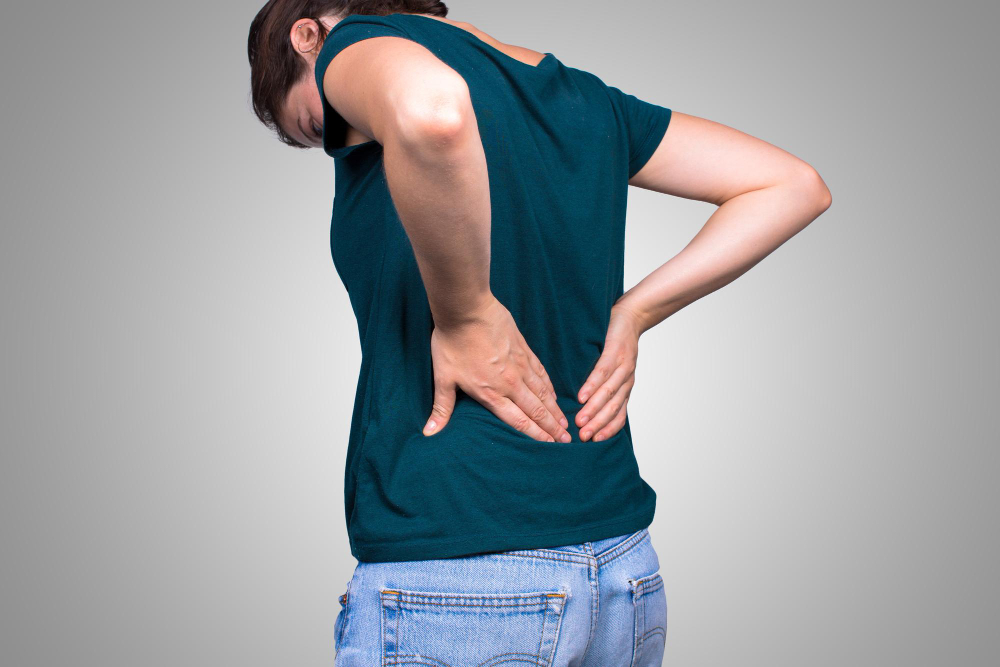
Herniated Discs
A herniated disc is a common spinal condition that occurs when the soft inner gel-like center of an intervertebral disc pushes through its outer layer (the annulus) and irritates nearby nerves. This can result in pain, numbness, tingling, or weakness along the nerve pathway — commonly affecting the back, neck, arms, or legs.
Herniated discs are a frequent cause of back and neck pain and can significantly impact daily activities if not properly managed. At TeamMD, our pain management specialists provide evidence-based diagnosis, personalized treatment plans, and advanced therapies designed to relieve pain and restore function.
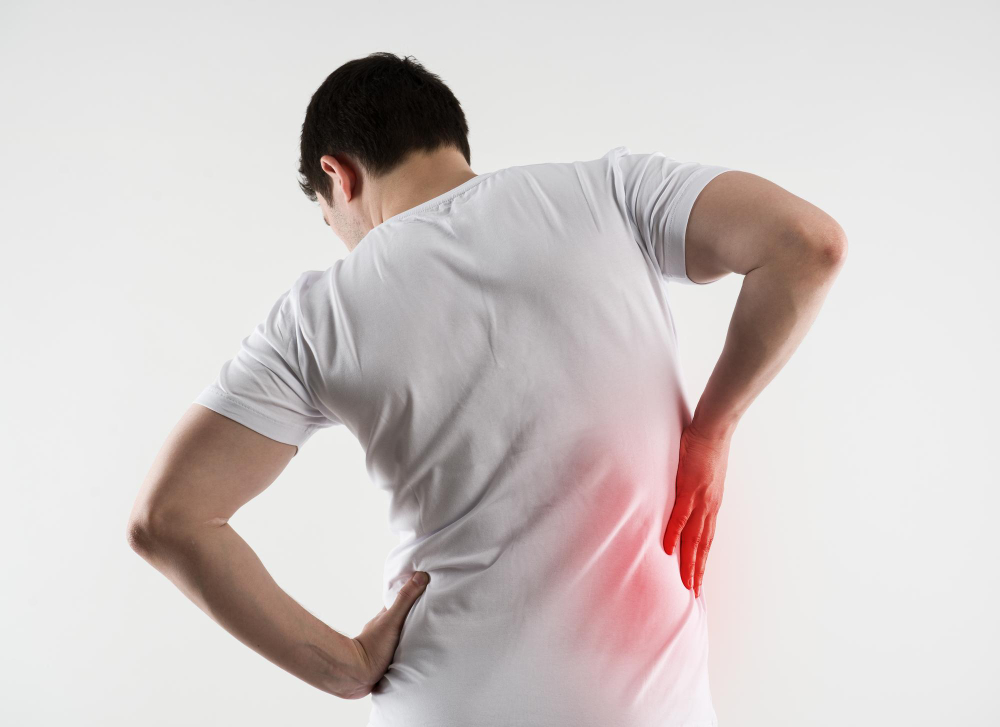
Herniated discs most commonly develop as a result of:
Age-related degeneration (disc wear and tear)
Repetitive physical strain or heavy lifting
Sudden injury or trauma to the spine
Genetic predisposition
Improper posture or body mechanics
As we age, spinal discs lose water content and become less flexible, making them more susceptible to tear and herniation.
The spine is made up of vertebrae separated by intervertebral discs, which act as shock absorbers. Each disc has:
A gel-like center (nucleus pulposus)
A tough outer ring (annulus fibrosus)
Discs help the spine bend, twist, and absorb mechanical stress. When the nucleus protrudes through the annulus, it can press on spinal nerves and cause symptoms.
Symptoms depend on the location of the herniated disc and the nerves affected. Common signs include:
Localized back or neck pain
Radiating pain down an arm or leg (sciatica)
Numbness or tingling in extremities
Muscle weakness
Pain aggravated by bending, lifting, or twisting
Symptoms may develop gradually or suddenly and can vary in severity.
Accurate diagnosis begins with a comprehensive evaluation:
Your provider will discuss your symptoms, pain history, and functional limitations. A physical exam assesses:
Range of motion
Muscle strength
Reflexes
Sensory changes
Advanced imaging helps confirm the diagnosis and determine the extent of disc involvement:
MRI (Magnetic Resonance Imaging): Best for soft tissue evaluation
CT Scan: Detailed bone and disc assessment
X-rays: Rule out fractures, alignment issues
Diagnostic testing allows our specialists to tailor the most effective treatment strategy for your condition.
Most patients with herniated discs respond well to non-surgical, conservative treatments. At TeamMD, we emphasize safe, evidence-based therapies and collaborate closely with patients to achieve optimal outcomes.
Physical Therapy
A customized therapy program focuses on strengthening supportive muscles, improving posture, and increasing flexibility. This reduces disc pressure and promotes long-term spinal health.
Medically Supervised Exercise
Guided exercises help stabilize the spine, reduce pain, and restore mobility.
Pain Management Interventions
Nerve Blocks: Targeted injections to reduce inflammation and nerve pain
Epidural Steroid Injections: Reduce inflammatory response around the affected nerve
Radiofrequency Ablation (RFA): Disrupts pain signals for longer-lasting relief
When symptoms persist or conservative care is not sufficient, advanced treatments may be recommended:
Spinal Cord Stimulation (SCS)
Delivers electrical impulses to the spinal cord to minimize pain signals. It’s a reversible, minimally invasive option for chronic nerve pain.
PRP (Platelet-Rich Plasma) Therapy
Uses your body’s own healing factors to reduce inflammation and promote tissue recovery in affected areas.
A herniated disc occurs when the soft inner portion of a spinal disc pushes through its outer layer and irritates nearby nerves. This can cause pain, numbness, tingling, or weakness in the back, neck, arms, or legs.
Common symptoms include:
Back or neck pain
Radiating pain down the leg (sciatica) or arm
Numbness or tingling
Muscle weakness
Pain that worsens with bending, lifting, or sitting
Treatment options may include:
Physical therapy
Anti-inflammatory medications
Epidural steroid injections
Nerve blocks
Radiofrequency ablation (RFA)
Spinal cord stimulation for chronic cases
Most patients improve with non-surgical treatments.
Surgery may be considered if:
Severe pain persists despite conservative treatment
There is significant muscle weakness
Symptoms worsen over time
There is loss of bladder or bowel control (medical emergency)
Your specialist will discuss whether surgery is appropriate for your condition.
Recovery varies depending on severity and treatment. Many patients begin to feel better within a few weeks of starting therapy. Full recovery may take several weeks to a few months.
Yes. Physical therapy strengthens supportive muscles, improves posture, reduces nerve pressure, and promotes long-term spinal stability. It is often a first-line treatment.
At TeamMD, our experienced pain management specialists provide comprehensive evaluations and personalized treatment plans tailored to your specific condition. We focus on minimally invasive, evidence-based therapies designed to relieve pain, restore mobility, and improve long-term spinal health.
Yes, we accept most major insurance plans, including Medicare and many commercial providers. Our team will verify your benefits before your visit and explain your coverage clearly so there are no surprises.
Scheduling is easy. You can call our office directly or use our online appointment request form. Our staff will confirm your appointment, verify insurance (if applicable), and guide you through the next steps to begin your treatment.
Phone number
Timing ( Mon to Sat )
2,000+ reviews on

I am being accompanied by this excellent doctor Dr. Kandra, as well as her entire team of excellent professionals, extremely attentive, docile and sweet, I don’t think I could have better medical care! My sincere congratulations to these Angels of Light on earth. Gratitude
S. Tavares
Great doctor, staff is lovely, took care of me as soon as I got there, nice quick and easy
P. Montan
Local Guide · Level 5
I’ve had great experiences every time I’ve gone to premier med! The staff is great I love the nurses at the surgical center! Dr Kandra is a caring…
S. Campbell
Was very satisfied with the cleanliness of the office . The staff was very professional and nice.
Diane P
Fill out the form below, and we’ll contact you shortly.
Phone
Mon–Fri: 09:00 AM – 05:00 PM