
Shingles is a painful viral infection that affects the nerves and skin. While many people recover after the rash heals, some continue to experience severe nerve pain for months or even years. This long-lasting pain is known as Postherpetic Neuralgia (PHN) and is one of the most common complications of shingles.

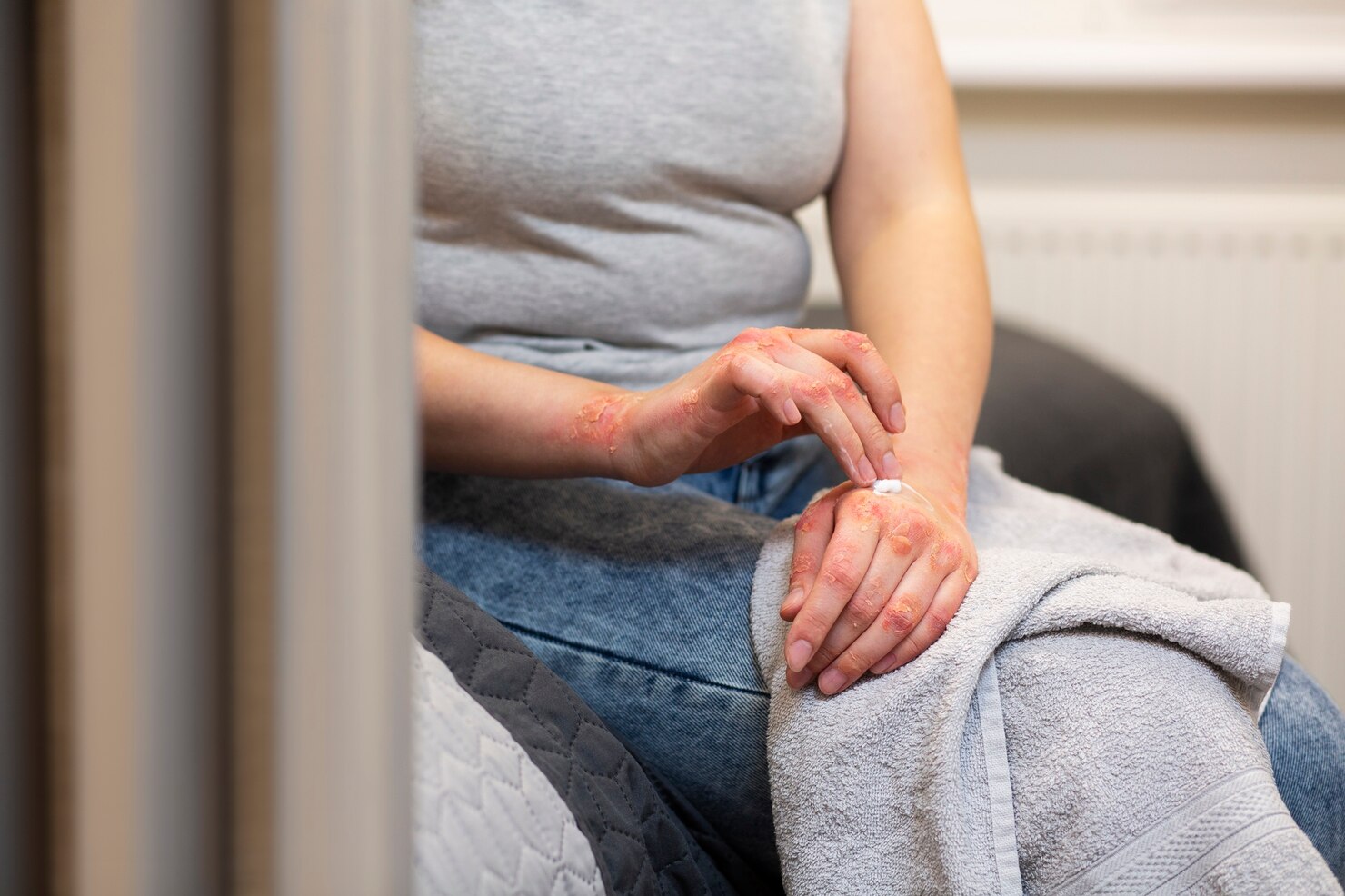
Shingles and Postherpetic Neuraligia
Shingles is caused by the varicella-zoster virus, the same virus that causes chickenpox. After someone recovers from chickenpox, the virus does not completely leave the body. Instead, it remains inactive in the nerve tissues near the spinal cord and brain.
Years or even decades later, the virus may reactivate due to factors such as aging, weakened immunity, stress, or illness. When this happens, it travels along nerve pathways and causes a painful skin rash known as shingles.
Shingles typically affects one side of the body and often appears on the chest, back, abdomen, or face. The rash usually forms a band or stripe pattern along the path of the affected nerve.
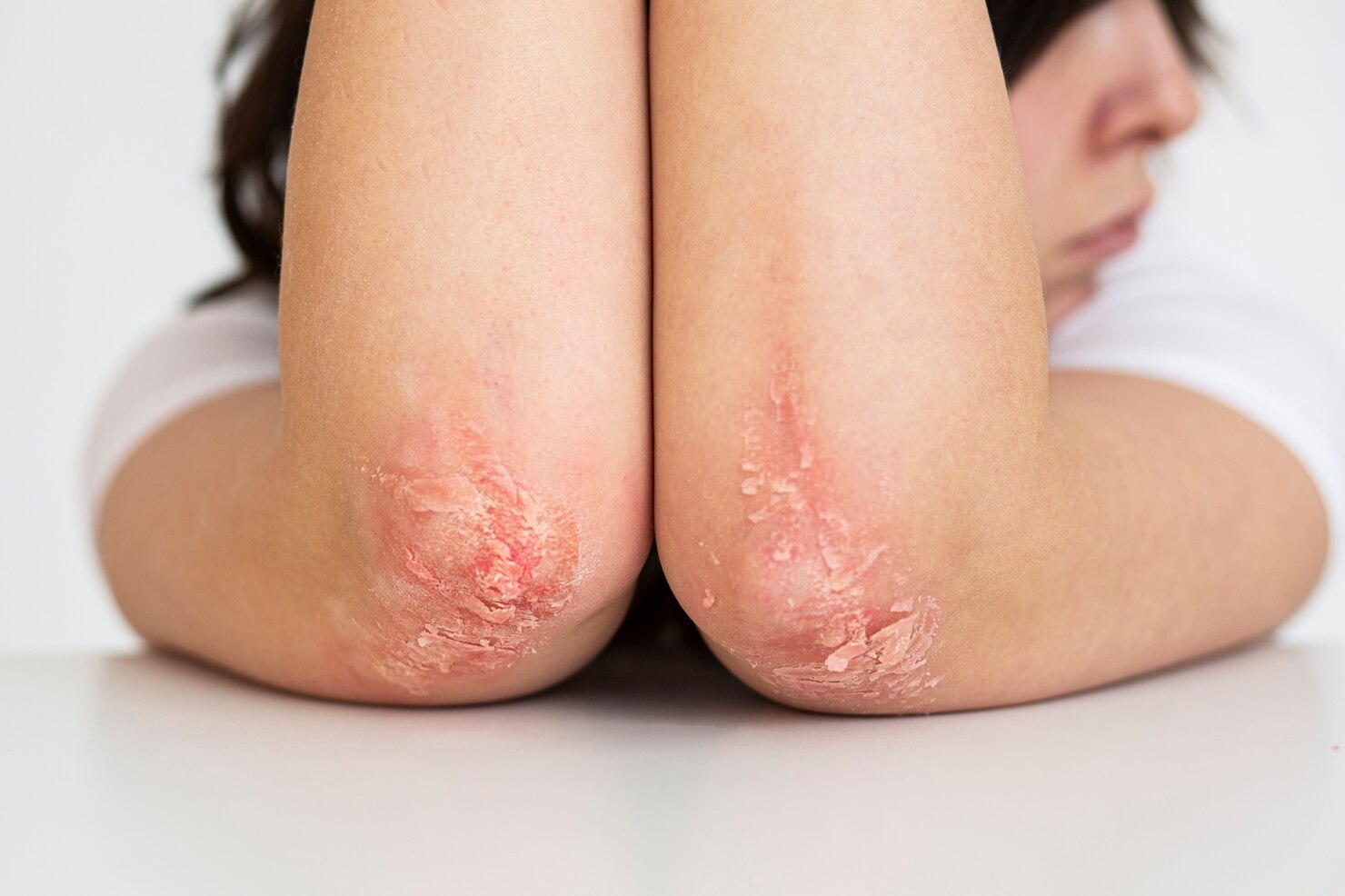
Shingles symptoms usually develop in stages. Many patients experience nerve pain or sensitivity before the rash appears.
Common symptoms include:
The rash typically heals within 2 to 4 weeks, but nerve pain may continue after the skin clears.
Postherpetic Neuralgia is a chronic nerve condition that occurs when shingles damages the nerves. Even after the rash heals, the affected nerves may continue sending pain signals to the brain.
This condition develops because the virus can injure nerve fibers and disrupt normal communication between the nerves and the brain. As a result, the brain may interpret normal sensations as pain.
Postherpetic Neuralgia is the most common complication of shingles, especially among older adults. The pain can range from mild discomfort to severe burning or stabbing sensations that interfere with sleep, work, and daily life.
The symptoms of PHN occur in the same area where shingles previously appeared. These symptoms may last for months or sometimes years.
Common symptoms include:
In severe cases, the pain can significantly affect emotional well-being and quality of life.
Postherpetic Neuralgia occurs when the shingles virus damages sensory nerves. The damaged nerves send abnormal pain signals to the brain, resulting in chronic nerve pain.
Several factors increase the risk of developing PHN, including:
Early diagnosis and treatment of shingles can reduce the likelihood of developing long-term nerve pain.
Doctors typically diagnose shingles based on the appearance of the rash and associated nerve pain. However, diagnosing Postherpetic Neuralgia requires evaluating persistent symptoms after the rash has healed.
At TeamMD, our specialists perform a thorough evaluation that may include:
Proper diagnosis helps determine the most effective treatment plan for long-term pain relief.
The goal of treatment is to reduce nerve irritation, control pain, and improve overall nerve function. At TeamMD, we offer several treatment options depending on the severity of symptoms.
Nerve Block Injections
Nerve block injections involve delivering medication directly around affected nerves. These injections help reduce inflammation and interrupt pain signals, providing significant relief for many patients.
Trigger Point Injections
Trigger point injections help relax tight muscles that may develop due to chronic pain. These treatments can improve comfort and mobility.
Medication Management
Certain medications may be recommended to help control nerve pain and reduce hypersensitivity.
Spinal or Epidural Injections
For severe nerve pain, spinal injections may be used to reduce inflammation and relieve pressure around affected nerves.
Physical Rehabilitation
Physical therapy may help improve flexibility, strengthen surrounding muscles, and reduce stress on the affected nerves. Gentle exercises can also support recovery and prevent additional complications.
Although shingles cannot always be prevented, vaccination can significantly reduce the risk of developing the infection and its complications.
The shingles vaccine is recommended for adults aged 50 and older and can greatly reduce the likelihood of developing Postherpetic Neuralgia.
In addition, early treatment of shingles with antiviral medications can help minimize nerve damage and reduce the risk of long-term pain.
At TeamMD, we understand how debilitating nerve pain can be. Our team focuses on identifying the source of pain and developing personalized treatment strategies designed to provide lasting relief.
Patients choose TeamMD because we provide:
Our goal is to help patients reduce pain, improve nerve health, and restore their quality of life.
If you are experiencing persistent pain after a shingles infection, you do not have to live with the discomfort. The specialists at TeamMD provide advanced pain management treatments designed to help reduce nerve pain and improve your overall well-being.
Schedule a consultation today to explore treatment options and take the first step toward lasting relief.
The pain may last several months and, in some cases, longer than a year. However, proper treatment can help manage symptoms and improve comfort.
Yes. Although uncommon, shingles can occur multiple times in a person’s lifetime.
While PHN is not life-threatening, the chronic pain can significantly impact daily activities and emotional well-being.
You should seek medical care if you experience a painful rash, severe nerve pain, or pain that continues after the rash heals.
While there may not always be a permanent cure, many treatments can effectively manage symptoms and reduce nerve pain.
Phone number
Timing ( Mon to Sat )
2,000+ reviews on

I am being accompanied by this excellent doctor Dr. Kandra, as well as her entire team of excellent professionals, extremely attentive, docile and sweet, I don’t think I could have better medical care! My sincere congratulations to these Angels of Light on earth. Gratitude
S. Tavares
Great doctor, staff is lovely, took care of me as soon as I got there, nice quick and easy
P. Montan
Local Guide · Level 5
I’ve had great experiences every time I’ve gone to premier med! The staff is great I love the nurses at the surgical center! Dr Kandra is a caring…
S. Campbell
Was very satisfied with the cleanliness of the office . The staff was very professional and nice.
Diane P
Fill out the form below, and we’ll contact you shortly.
Phone
Mon–Fri: 09:00 AM – 05:00 PM