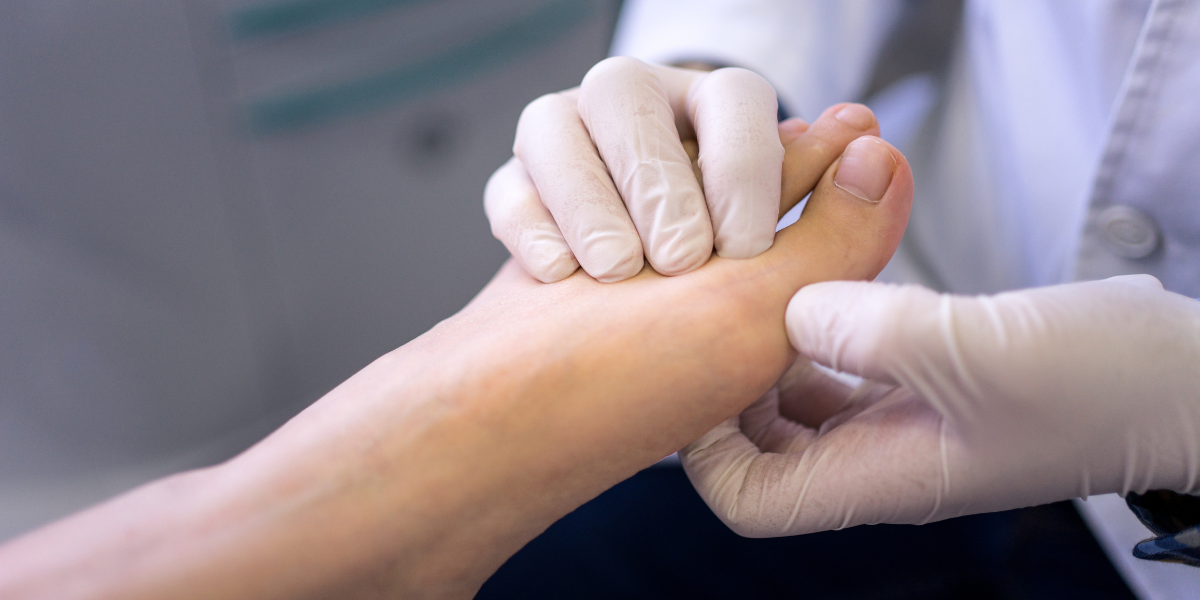
After a long shift, sore feet can feel normal. Many people shrug it off, kick off their shoes, and head to bed expecting things to feel better by morning. For workers in healthcare, retail, hospitality, warehouses, factories, and schools across New Jersey and eastern Pennsylvania, that routine happens every day. Over time, though, constant strain on the feet can turn into lasting pain that affects work, sleep, mobility, and overall quality of life.
Standing for hours places steady pressure on the arches, heels, ankles, and joints. If that stress continues for months or years without proper support or treatment, the body often begins to send warning signs. This guide explains how standing jobs affect foot health, the conditions linked to long shifts on hard floors, and when professional foot pain treatment may help prevent long-term damage. You will also learn how podiatry care, a foot specialist in Clifton, and pain management services in Clifton support workers dealing with chronic discomfort.
How Prolonged Standing Impacts Your Feet and Overall Health

Most people think of tired feet after work, but extended standing has far-reaching consequences beyond the soles of your shoes. Your feet serve as the basis for the whole body. When that foundation is consistently stressed throughout the day, other areas frequently suffer as well.
What Happens to Your Feet During Long Standing Hours
Every hour spent standing adds pressure to the heels, arches, toes, and ankles. Muscles work continuously to keep the body balanced and stable. Even standing still requires effort from the feet and lower legs.
As the day goes on, the muscles begin to fatigue. Inflammation may develop in the soft tissues, especially around the arches and heels. Blood circulation can slow down, which may cause swelling and a heavy feeling in the legs.
Hard surfaces create even greater strain. Hospital floors, concrete warehouse spaces, and retail tile floors provide very little shock absorption. Workers often describe aching heels, burning arch pain, or stiffness that worsens toward the end of a shift.
These symptoms may seem minor at first. Over time, repeated stress can contribute to conditions that require professional foot pain treatment in NJ.
Why Certain Jobs Increase the Risk of Foot Problems
Some careers naturally expose workers to a greater risk of chronic foot pain. Nurses walk long distances during shifts. Retail employees stand at registers for hours. Teachers move around classrooms throughout the day. Factory workers often spend entire shifts on concrete floors.
Footwear plays a major role as well. Shoes without arch support or cushioning force the feet to absorb greater impact with every step. Worn-out work shoes can quietly contribute to heel pain, ankle strain, and joint stress without workers realizing it.
A podiatry consultation often helps identify problems linked to footwear, posture, or repetitive strain. Many workers find relief after switching to supportive shoes or using custom orthotics designed for their foot structure. Across New Jersey and Easton, PA, patients commonly seek help after months of trying to “push through” the discomfort.
The Connection Between Foot Problems and Whole-Body Pain
Pain in the feet rarely stays isolated. When the feet lose proper alignment, the body compensates. Small alterations in walking patterns might eventually damage the knees, hips, lower back, and neck.
For example, fallen arches may cause the ankles to roll inward, placing extra pressure on the knees and spine. A person dealing with heel pain may unconsciously shift weight to one side, leading to muscle tension and imbalance.
This chain reaction explains why some people visit a provider for knee or back pain and later discover the problem actually started in the feet. Pain management services in Clifton often involve evaluating the body as a whole rather than focusing on one painful area.
Can Standing Jobs Really Cause Permanent Foot Damage?
Yes, standing jobs can contribute to long-term damage when symptoms are ignored for too long. Occasional soreness after a busy shift is common. Persistent pain, swelling, numbness, or structural changes are different.
Years of repetitive strain can affect tendons, ligaments, joints, nerves, and circulation. Early treatment of foot pain may help reduce the risk of chronic complications.
Long-Term Foot Conditions Linked to Standing Jobs
Several foot conditions commonly develop in workers who spend long hours standing or walking.
- Plantar Fasciitis: Plantar fasciitis affects the thick tissue band along the bottom of the foot. It often causes sharp heel pain during the first steps of the morning or after prolonged standing. Many retail and healthcare workers experience this condition due to repeated strain on the arches.
- Flat Feet or Fallen Arches: Long-term pressure may weaken the structures that support the arch. When arches collapse, the feet lose stability, and place added strain on the ankles and knees.
- Bunions: Bunions develop gradually when the big toe joint shifts out of alignment. Tight work shoes and prolonged standing often worsen irritation and swelling around the joint.
- Hammertoes: Hammertoes occur when toe joints become bent due to muscle imbalance and pressure. Workers who wear narrow shoes for years may notice increasing stiffness or discomfort in the toes.
- Morton’s Neuroma: This condition involves irritation of a nerve in the forefoot. It may cause burning pain, tingling, or the sensation of standing on a small pebble.
- Achilles Tendonitis: Repeated walking and standing can inflame the Achilles tendon, especially when calf muscles are tight or when footwear lacks support.
How Chronic Standing Leads to Structural Damage
The feet rely on muscles, tendons, and ligaments to absorb pressure and support movement. Constant strain can gradually weaken these support systems.
When muscles become fatigued, the body begins to compensate in other ways. Tendons may tighten, joints may shift, and nerves may become compressed. Workers often notice stiffness or pain long before they realize structural changes are developing.
Standing on hard floors every day increases the impact placed on the feet. Unsupportive shoes make the problem worse by failing to evenly distribute pressure. This is where custom orthotics can help. Proper support may reduce stress on the arches and improve alignment during long work shifts.
Circulation Problems Caused by Standing for Long Hours
Standing all day also affects circulation. Blood can collect in the lower legs, especially when workers stay in one position for long periods.
Common symptoms include:
- Swelling in the ankles or feet
- Leg heaviness
- Aching or throbbing sensations
- Visible varicose veins
Some patients eventually seek vein treatment in New Jersey after years of prolonged standing at work. Others search for varicose vein specialists near Easton, PA when symptoms begin affecting comfort and mobility.
Warning Signs You Should Never Ignore
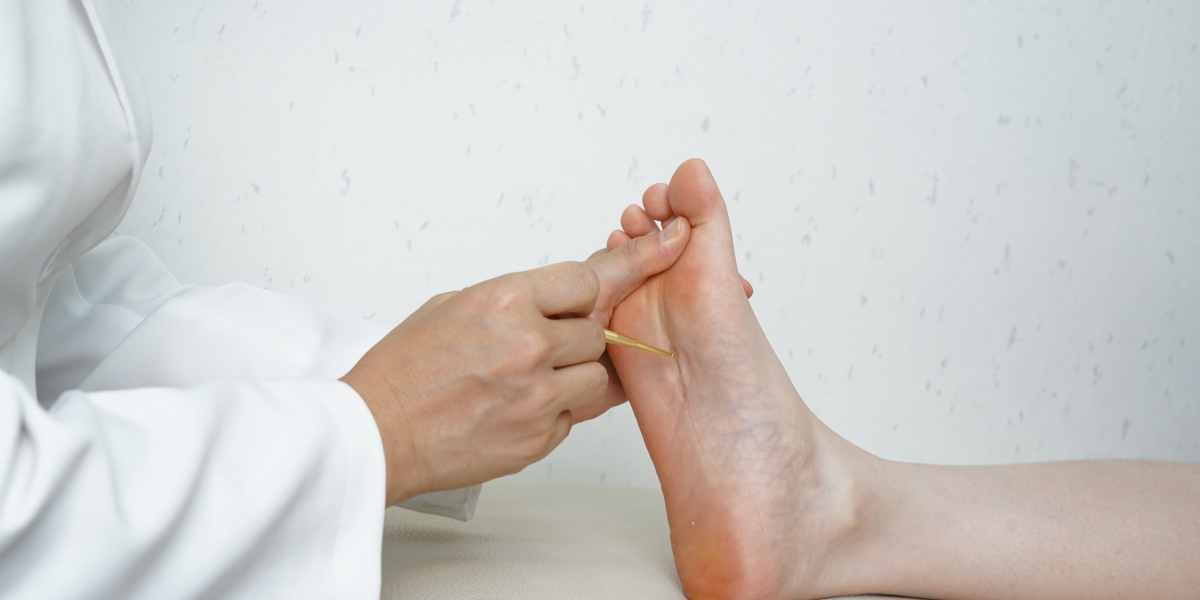
Many people assume foot pain comes with the job. Persistent symptoms should never be brushed aside, especially when they start interfering with daily life.
Persistent Foot Pain That Does Not Improve
Pain lasting for several weeks deserves attention. Heel pain, arch pain, or burning sensations may point to plantar fasciitis, tendon inflammation, or nerve irritation. If discomfort keeps returning after every shift, a foot and ankle evaluation may help identify the root cause before the condition worsens.
Numbness, Tingling, or Nerve Symptoms
Nerve-related symptoms often feel very different from muscle soreness. Tingling, numbness, burning pain, or shooting discomfort can signal nerve compression.
Morton’s neuroma and sciatica are common examples. Some people notice numbness in the toes, while others feel unstable when walking. A foot specialist in Clifton can help determine whether symptoms originate in the foot, ankle, or lower back.
Swelling, Deformities, or Difficulty Walking
Visible changes in foot structure should never be ignored. Bunions, hammertoes, collapsed arches, or chronic swelling may indicate progressing damage.
Pain that affects walking, work performance, or mobility often becomes harder to treat when ignored for too long.
Risk Factors That Increase the Chances of Permanent Foot Damage
Some workers develop chronic pain faster than others. Several factors can increase the likelihood of long-term problems.
Age, Weight, and Existing Medical Conditions
As the body ages, joints and soft tissues naturally become less flexible. Recovery from repetitive strain also slows down. Extra body weight increases pressure on the feet, especially the heels and arches. Conditions such as diabetes, arthritis, and circulation disorders may raise the risk of complications as well.
Improper Footwear and Lack of Support
Unsupportive footwear remains one of the biggest causes of work-related foot pain.
Helpful strategies include:
- Choose supportive work shoes: Shoes with cushioning and arch support help absorb pressure throughout the day.
- Replace worn-out footwear regularly: Old shoes lose support long before visible damage appears.
- Use custom orthotics when needed: Orthotics may improve alignment and reduce strain on painful areas.
Delaying Medical Treatment
One common mistake is waiting until pain becomes severe before seeking help. Mild symptoms often become chronic when workers continue standing for long hours without treatment. Early foot pain treatment in NJ may help prevent mobility problems and long-term structural damage.
Treatment Options for Chronic Foot Pain and Standing-Related Injuries
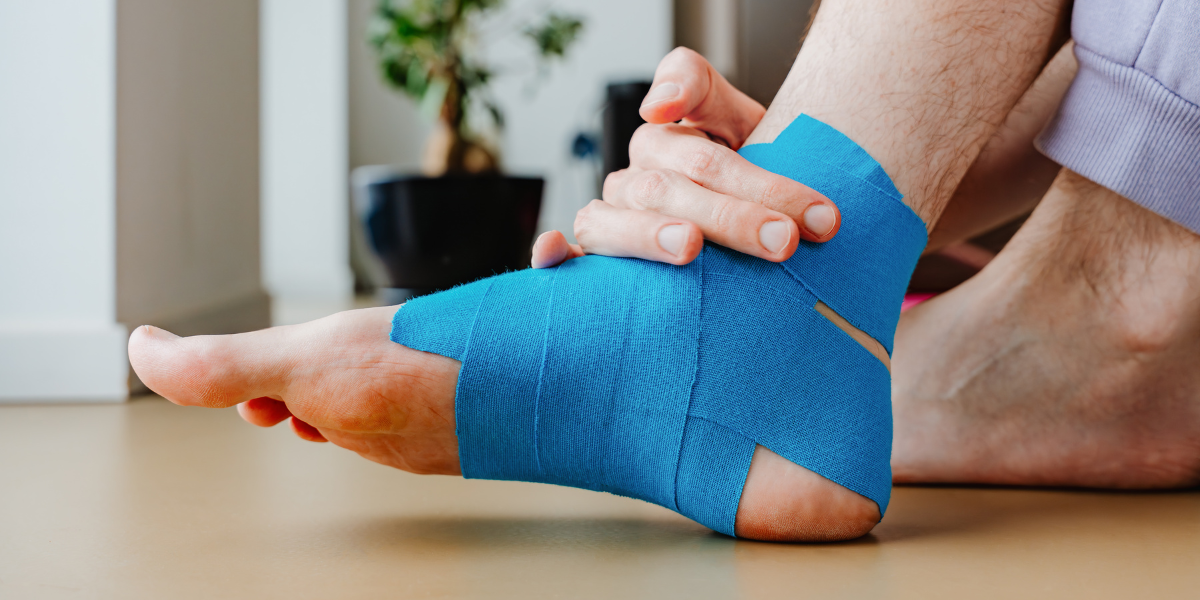
The appropriate treatment is determined by the origin of the pain, daily activity level, and the intensity of the symptoms. Many standing-related conditions improve with conservative care.
Conservative and Non-Surgical Treatments
Several non-surgical approaches may help relieve pain and improve function.
- Physical therapy: Stretching and strengthening activities increase flexibility and support.
- Custom orthotics: Orthotics reduce stress on the arches and improve alignment.
- Anti-inflammatory treatments: Ice, medications, and supportive footwear may reduce swelling and irritation.
Advanced Minimally Invasive Procedures
Some chronic conditions require additional treatment when conservative methods are no longer effective.
These options may include:
- PRP injections
- Nerve blocks
- Radiofrequency ablation
- Image-guided injections
These procedures are often used as part of pain management services in Clifton for patients dealing with chronic inflammation or nerve pain.
Treatment for Common Standing-Related Foot Conditions
Plantar fasciitis treatment may involve stretching programs, orthotics, therapy, and supportive footwear. Achilles tendonitis often improves with calf strengthening and activity modification. Patients dealing with bunions, hammertoes, or nerve pain may require podiatry care, orthopedic treatment, or rehabilitation therapy, depending on the condition.
When Specialized Care May Be Necessary
Some symptoms require specialized evaluation from podiatrists, orthopedic physicians, pain management doctors, or vein specialists. Patients in Clifton, Hillsborough, Metuchen, Somerset, Jersey City, and East Brunswick often seek specialty care when pain begins to affect work performance and everyday movement.
How to Protect Your Feet If You Work Long Hours Standing
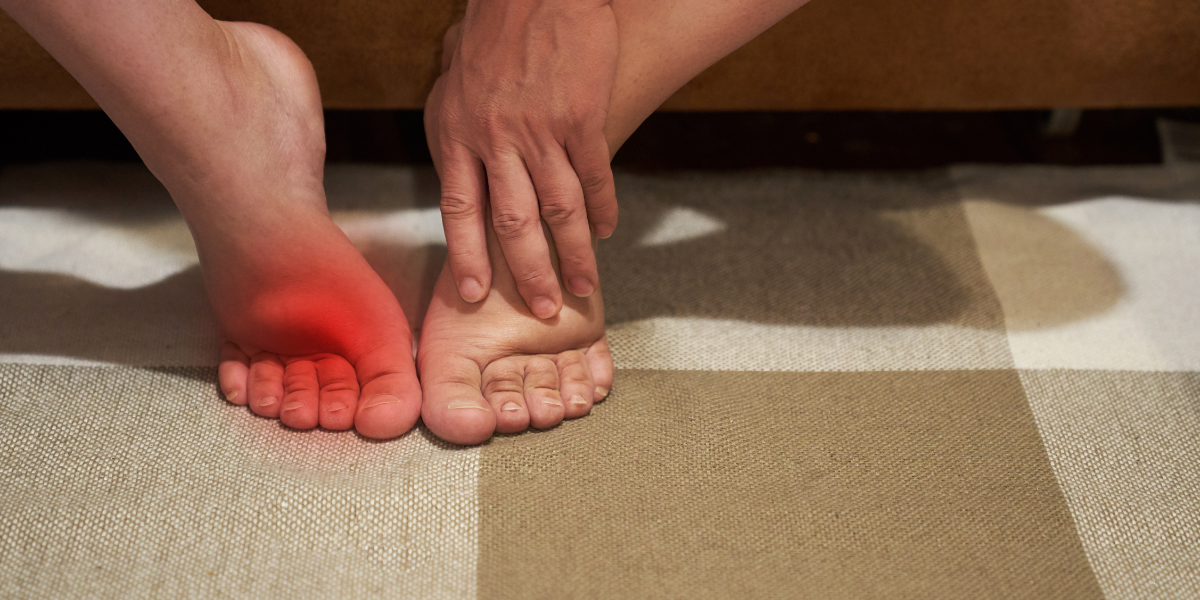
Daily habits can make a major difference in long-term foot health.
Workplace Habits That Reduce Foot Stress
Several small changes may help reduce strain during shifts:
- Stretch during breaks: Gentle calf and arch stretches help reduce tightness.
- Change positions often: Shifting weight improves circulation and reduces pressure.
- Use anti-fatigue mats: Cushioned mats help reduce stress on hard floors.
- Alternate sitting and standing when possible: Short breaks from standing give muscles time to recover.
Choosing the Right Footwear
Supportive shoes play a huge role in preventing chronic pain. Workers should look for proper cushioning, arch support, and enough room in the toe box. A podiatry consultation may help identify the best footwear options for specific foot structures or work environments.
Simple Daily Habits That Support Foot Health
A few healthy habits outside work can support recovery:
- Elevate your feet after long shifts
- Stay active to improve circulation
- Maintain a healthy body weight
- Replace worn work shoes regularly
Knowing When to Seek Professional Evaluation
Persistent pain should never become “normal.” Early care often leads to faster recovery and fewer long-term complications. If foot pain interferes with work, exercise, or walking comfortably, professional evaluation is worth considering.
How TeamMD Creates Personalized Treatment Plans for Standing-Related Foot and Leg Pain
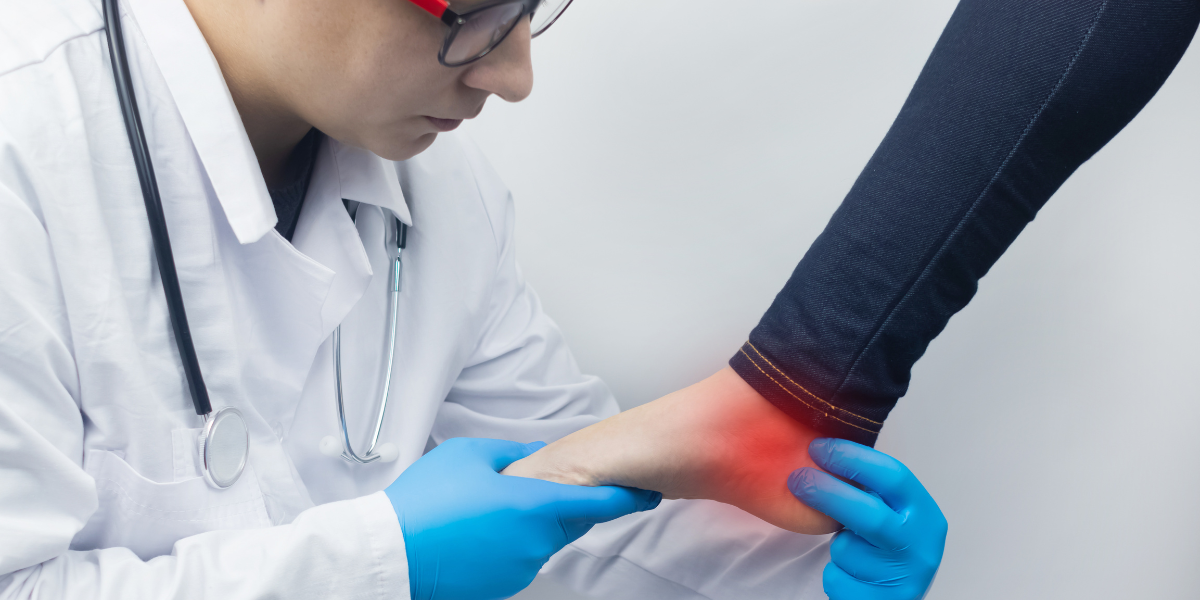
Standing-related pain often involves multiple systems throughout the body. TeamMD focuses on identifying the source of symptoms and creating individualized treatment plans.
Our Comprehensive Approach to Diagnosing Pain
We evaluate foot pain, circulation concerns, nerve irritation, and joint problems using detailed physical assessments and advanced diagnostic technology.
We regularly care for patients throughout New Jersey and Pennsylvania whose jobs require prolonged standing. Our team understands how physically demanding these careers can be, which helps us create treatment plans tailored to real workplace challenges.
Our Minimally Invasive Solutions for Lasting Relief
We offer personalized treatment options that may include PRP injections, rehabilitation therapy, podiatry services, orthopedic care, vein treatment, and pain management, tailored to each patient’s condition and symptoms. Our goal is to assist patients in minimizing pain, increasing mobility, and returning to work and daily activities more comfortably and confidently.
Convenient Specialty Care Close to Home
We proudly serve patients in Clifton, Hillsborough, Hamilton, Metuchen, Jersey City, Middletown, East Brunswick, Somerset, Succasunna, Millburn, Flemington, and Easton. Whether patients require podiatrist care in Clifton, a foot expert in Clifton, or foot pain therapy in NJ, our staff offers compassionate care near home, with personalized treatment regimens suited to each patient’s specific needs.
Conclusion
Long periods of standing can be physically demanding. While modest soreness after work may appear usual, prolonged pain, swelling, numbness, or structural changes should never be overlooked. Standing work can cause repetitive strain on the feet, joints, nerves, and circulation, leading to chronic problems.
Supportive footwear, stretching, orthotics, and early treatment of foot pain often help reduce discomfort and protect long-term mobility. Paying attention to symptoms early can make a big difference in recovery and overall quality of life.
If foot or leg pain is affecting your work or daily routine, schedule an evaluation with your nearest TeamMD location. Personalized care may help you move comfortably and stay active again.
Frequently Asked Questions About Standing Jobs and Foot Damage
Can You Damage Your Feet From Standing Too Long?
Yes, extended standing can strain the feet, joints, ligaments, and tendons, resulting in persistent pain and structural issues over time. We help patients manage standing-related pain with personalized foot pain treatment, supportive care, and long-term prevention strategies.
What Are the Long-Term Effects of Standing Jobs?
Standing jobs may contribute to plantar fasciitis, fallen arches, circulation problems, joint pain, and mobility issues. Our team at TeamMD provides customized treatment plans to relieve pain and improve daily comfort for workers across New Jersey and Pennsylvania.
What Are 5 Symptoms Foot Doctors Say You Should Never Ignore?
Persistent heel pain, swelling, numbness, difficulty walking, and visible deformities should always be evaluated by a specialist. We offer comprehensive foot and ankle evaluations to identify the cause of symptoms and create targeted treatment plans.
How Do You Get Rid of Jogger’s Foot?
Treatment may include rest, supportive footwear, stretching, physical therapy, and medical evaluation for ongoing pain. We provide personalized care options, including orthotics, rehabilitation therapy, and advanced pain relief treatments.
What Are the Symptoms of Jogger’s Foot?
Common symptoms include heel pain, arch pain, swelling, stiffness, tenderness, and pain that worsens with standing or walking. Our specialists at TeamMD evaluate these symptoms carefully and recommend treatment based on each patient’s condition and lifestyle.