Over time, foot pain can make it feel like everything you do is a chore. When pain is felt in the heel, ankles, or tendons, walking around the grocery store, standing at work, exercising, or even getting out of bed can be difficult. For many patients looking for PRP injection therapy, a treatment that will provide healing without surgery or extended recovery periods is preferred.
The use of regenerative medicine treatments for plantar fasciitis, Achilles tendon injuries, chronic ankle pain, and more is being investigated by more individuals across New Jersey and eastern Pennsylvania. Clinics in Clifton, NJ, East Brunswick, NJ, and Easton, PA are experiencing an increased demand for minimally invasive foot pain treatments, regenerative medicine treatments, and non-surgical foot pain treatments.
This guide describes when PRP may be helpful, what the treatment process entails, and how personalized care is provided by both TeamMD and Dr. Arun Kandra, MD.
Understanding Chronic Foot Pain and Why It Happens
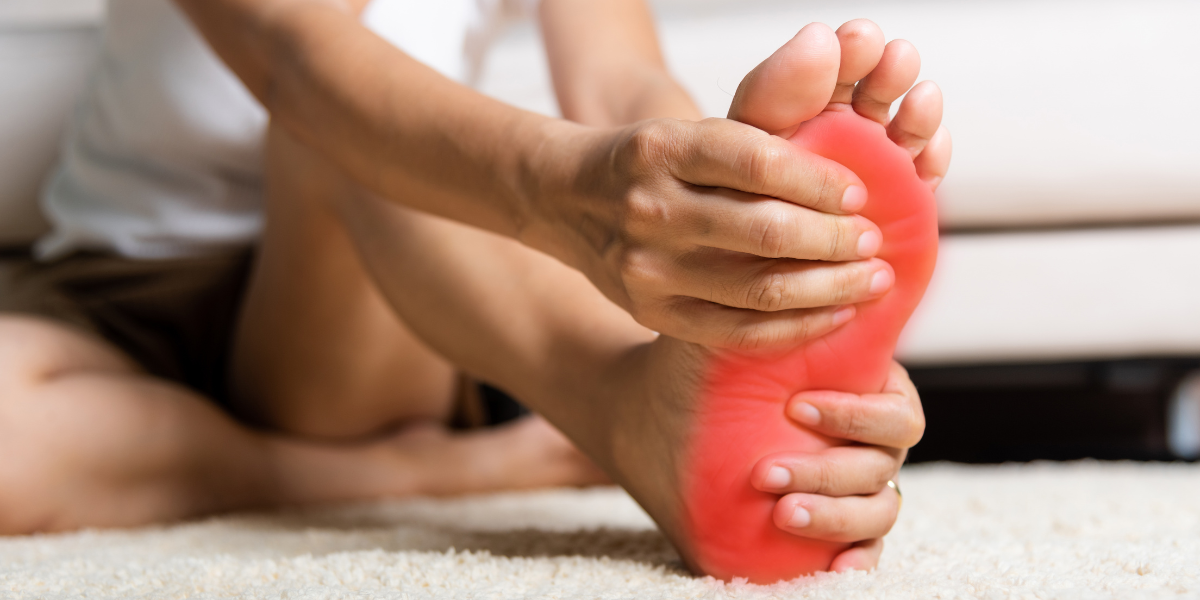
If your foot pain persists for a long period of time, it is likely to be chronic and gradually become worse. Long-term discomfort can be caused by repetitive strain, sports injuries, aging tissues, and untreated inflammation. The first step to choosing the right treatment is to determine the source of pain.
Common Causes of Ongoing Foot and Ankle Pain
Plantar fasciitis and plantar fasciosis are among the most common reasons patients seek care for plantar fasciitis. These conditions involve irritation or degeneration of the thick tissue supporting the arch of the foot.
Achilles tendinitis and tendon degeneration may cause stiffness, swelling, and pain during walking or exercise. Athletes and active adults often experience these injuries from repetitive strain.
Ligament injuries, ankle sprains, joint pain, and repetitive stress conditions may also require advanced sports injury treatment and detailed foot pain evaluation when symptoms persist.
Signs Your Foot Pain May Need Specialized Care
Pain that lasts for several months should not be ignored. Ongoing discomfort may signal tissue damage that requires professional treatment.
Difficulty walking, standing, exercising, or completing daily tasks may indicate worsening inflammation or tendon degeneration. Swelling, stiffness, and reduced mobility are also common warning signs.
If home remedies, stretching, orthotics, or medications are no longer helping, a pain management doctor NJ patients trust may recommend advanced regenerative options.
How Chronic Foot Pain Impacts Daily Life
Chronic pain affects the entire daily routine and can slowly limit independence. Many patients reduce physical activity, miss work, or avoid exercise due to persistent discomfort.
Athletes may notice declining performance, while older adults often struggle with balance and mobility. Seeking early treatment for foot pain in Clifton, NJ, or nearby areas can help prevent long-term limitations.
What Are PRP Injections and How Do They Work?
Regenerative therapies are increasingly used for chronic tendon and soft-tissue injuries. PRP is one of the most widely used non-surgical options for ongoing foot pain.
Understanding Platelet-Rich Plasma Therapy
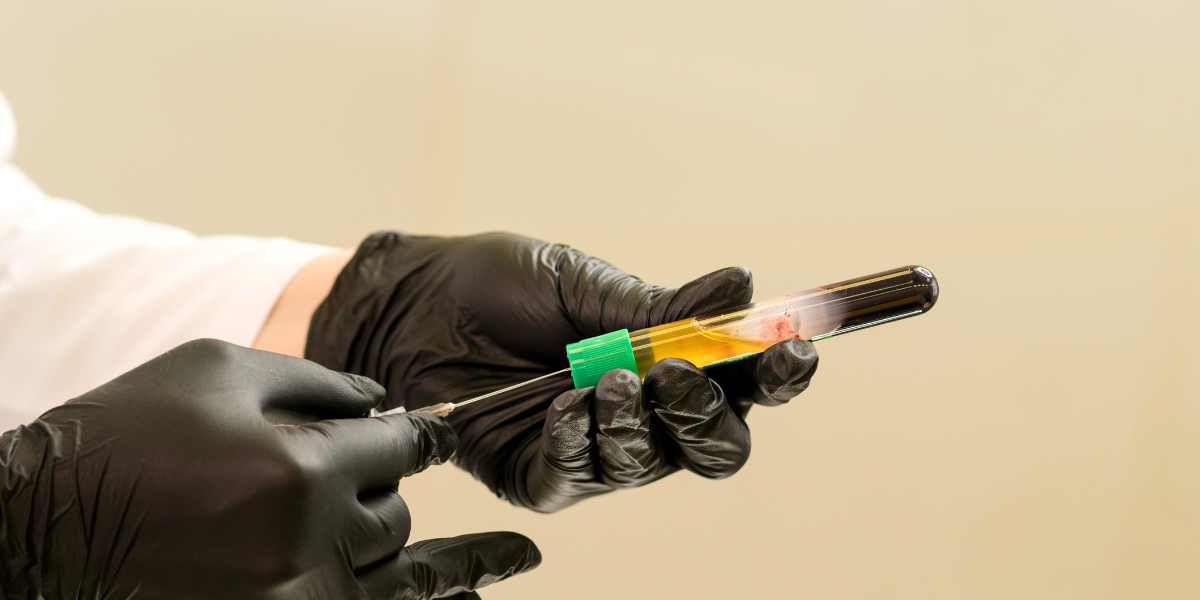
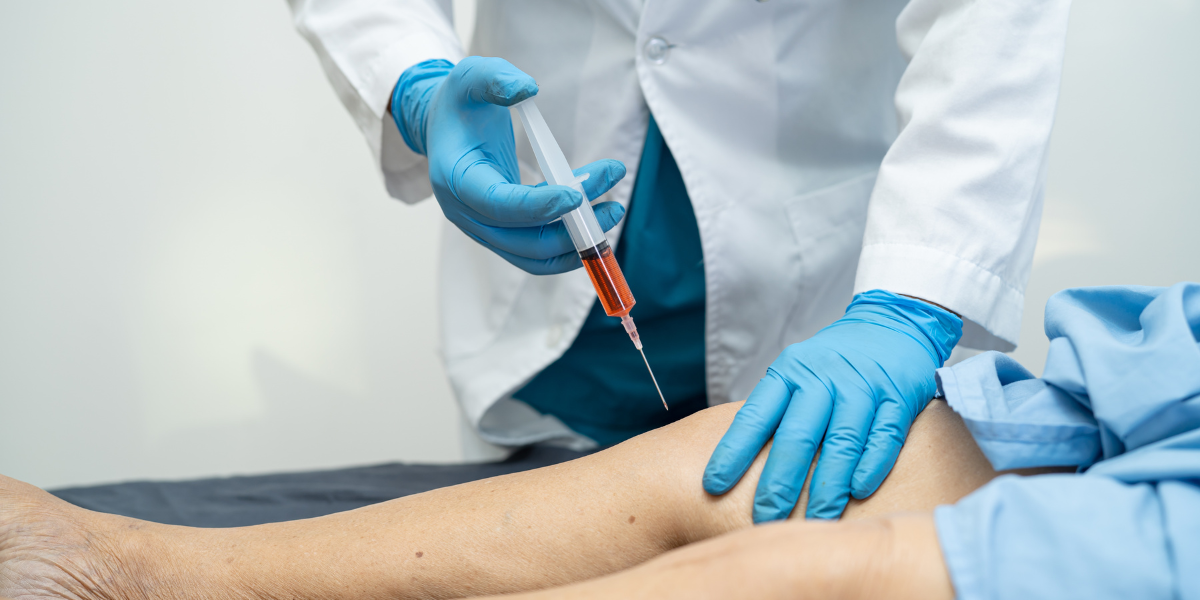
PRP injection therapy uses concentrated platelets taken from a patient’s own blood. These platelets carry growth factors that may aid tissue repair and healing.
After processing the blood sample, the concentrated plasma is injected directly into the injured area. Many patients pursuing PRP injections in New Jersey choose this approach because it is minimally invasive and uses the body’s natural healing response.
How PRP Supports Healing for Foot Pain
PRP may help repair damaged tendons, ligaments, and soft tissue injuries. It is commonly used in chronic plantar fasciitis, Achilles tendinopathy, and ankle ligament injuries.
PRP focuses on supporting tissue healing while helping reduce ongoing inflammation and discomfort. Clinics specializing in regenerative medicine in East Brunswick frequently use PRP as part of broader recovery plans.
Why PRP Is Popular for Non-Surgical Foot Pain Relief
Many patients choose PRP because recovery is often easier than surgical treatment. The procedure is performed on an outpatient basis, and recovery is typically faster than with surgical intervention.
The treatment uses the patient’s own blood components, appealing to people seeking natural regenerative care. Interest in non-surgical treatment for foot pain in Easton, PA, continues to grow among patients seeking minimally invasive solutions.
When Should You Consider PRP Injections for Foot Pain?
PRP may be helpful for certain chronic foot injuries, especially when pain continues despite conservative care. Persistent pain and failed conservative treatments are common reasons patients consider regenerative therapy.
Persistent Chronic Pain That Does Not Improve
Pain lasting several months despite rest or treatment may indicate chronic tissue damage. Lingering discomfort often affects mobility, exercise, and work performance.
A detailed evaluation of foot pain can help determine whether PRP injection therapy is appropriate for tendon, ligament, or soft-tissue injuries.
When Conservative Treatments Have Failed
Patients often try multiple treatments before considering PRP. Common conservative options include:
- Rest and Physical Therapy: Stretching programs and reduced activity may help early injuries, but chronic tendon problems sometimes continue despite consistent rehabilitation.
- Orthotics and Medications: Supportive footwear and anti-inflammatory medications can reduce strain, yet they may not fully repair damaged tissue in long-standing injuries.
When these approaches no longer provide relief, regenerative medicine treatment may be recommended.
Conditions That May Benefit From PRP Therapy
PRP is commonly used for chronic plantar fasciitis, Achilles tendinopathy, ankle sprains, ligament injuries, and repetitive-stress injuries.
Patients receiving ongoing sports injury treatment may also benefit from PRP when healing has slowed or inflammation continues returning.
When You Want an Alternative to Surgery or Steroid Injections
Repeated corticosteroid injections may weaken tissue over time. Some patients also want to avoid surgical risks and lengthy recovery periods. Choosing non-surgical foot pain treatment, such as Easton, PA, or PRP injections in New Jersey, may provide a less invasive option for chronic injuries.
Why Early Evaluation Can Matter
Early diagnosis often improves treatment planning. PRP may work better before severe tendon degeneration or advanced arthritis develops. Scheduling a prompt evaluation with NJ specialists, such as Arun Kandra, MD, can help patients explore treatment options before symptoms worsen.
What to Expect During the PRP Injection Process
Understanding the procedure helps patients feel more prepared and confident before treatment. Most PRP sessions are straightforward and completed in one visit.
Initial Consultation and Diagnosis
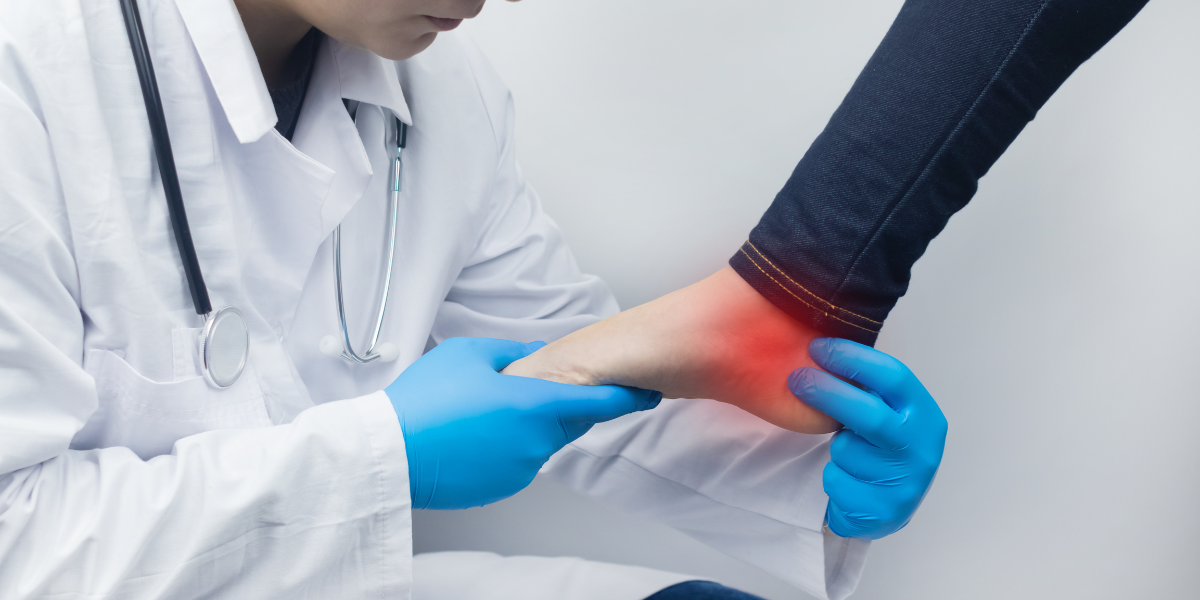
The process begins with a physical examination and review of symptoms. Imaging tests such as ultrasound or MRI may be recommended to confirm tissue damage. A detailed foot pain evaluation helps determine whether PRP is the right fit for the patient’s condition and recovery goals.
How the PRP Procedure Works
A small amount of blood is drawn and treated to concentrate platelets. The PRP is then injected into the injured tissue using ultrasound guidance for accuracy. The procedure is often performed in an outpatient environment with little downtime. Many clinics offering PRP injections in New Jersey use image-guided techniques for precision.
Recovery and Healing Timeline
Mild soreness after treatment is common and usually temporary. Most patients gradually notice improvement over several weeks or months. Recovery often includes rehabilitation exercises, stretching, and follow-up care. Consistency with recovery instructions plays an important role in long-term results.
Benefits and Potential Limitations of PRP Injections
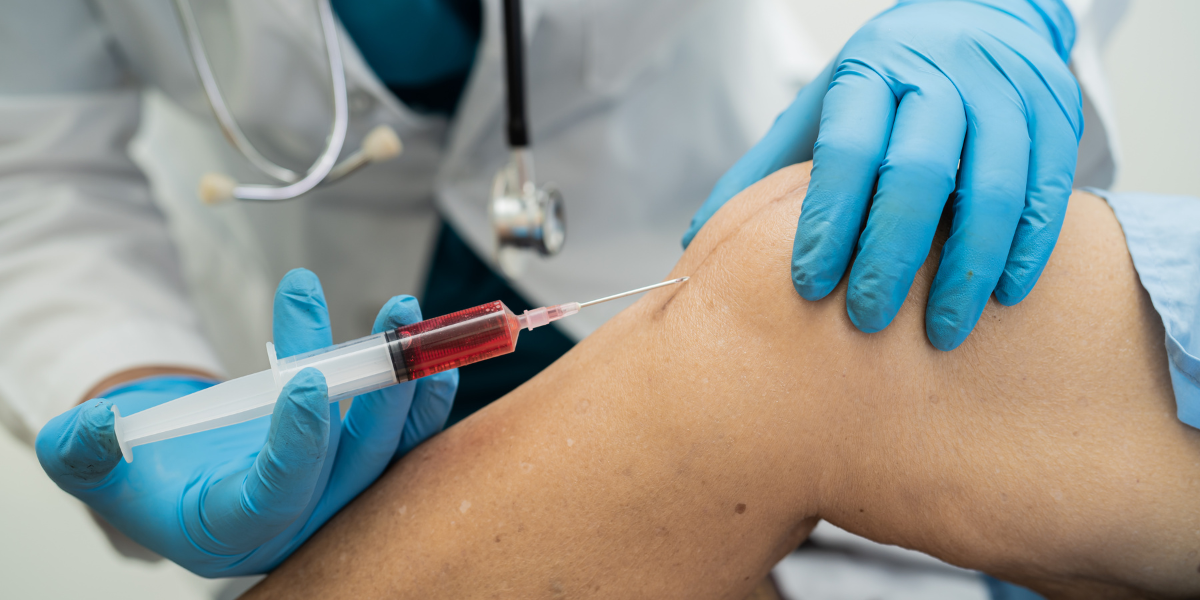
PRP offers several advantages, but patients should also understand its limitations. Results vary depending on the patient’s condition and overall health.
Potential Benefits of PRP for Foot Pain
Benefits of PRP injection therapy may include reduced pain, improved mobility, and decreased inflammation. Because the treatment employs the patient’s own blood components, many people regard it as a natural alternative to regenerative medicine.
Factors That May Influence PRP Results
Recovery outcomes are influenced by injury severity, symptom duration, level of exercise, and overall health. Patients who follow rehabilitation recommendations and activity restrictions often experience better long-term improvement.
Understanding the Limitations of PRP Therapy
PRP does not guarantee results for every patient. Severe structural damage or advanced arthritis may still require surgery or additional interventions. An experienced pain management doctor in NJ can explain realistic expectations based on imaging findings and clinical evaluation.
Insurance and Cost Considerations
PRP treatments are often considered elective or experimental by insurance providers. Many patients pay out of pocket for care. During consultation, Dr. Arun Kandra Team MD specialists discuss treatment plans, expected sessions, and financial considerations in detail.
Comparing PRP to Other Foot Pain Treatment Options
PRP is one of several available treatments for chronic foot pain. Comparing options helps patients make informed care decisions.
PRP vs Cortisone Injections
Cortisone injections often provide temporary symptom relief by rapidly reducing inflammation. PRP focuses more on tissue healing and regenerative repair. Patients receiving ongoing plantar fasciitis care may prefer PRP when seeking longer-term tissue support.
PRP vs Surgery
Surgery may still be necessary for severe structural injuries or advanced joint damage. However, surgery typically involves longer recovery and greater downtime. Many patients first explore non-surgical treatments for foot pain in Easton, PA, before considering operative procedures.
Other Non-Surgical Treatments That May Help
Additional treatments may include physical therapy, orthotics, bracing, and shockwave therapy. Clinics providing foot pain treatment in Clifton, NJ, often combine rehabilitation with regenerative medicine treatment for more comprehensive care.
Finding the Right Specialist for PRP Foot Pain Treatment
Choosing the right provider can affect both diagnosis accuracy and treatment outcomes. Experience matters when treating chronic tendon and ligament injuries.
Why Specialized Experience Matters
Board-certified podiatrists, orthopedic specialists, and pain management providers understand how to diagnose complex foot conditions accurately. Experienced providers, such as Dr. Arun Kandra, pain management specialists, also use advanced ultrasound-guided injection techniques for greater precision.
Benefits of Local Access to Advanced Care
Local access makes follow-up appointments and rehabilitation easier. Patients also benefit from coordinated care between pain management and rehabilitation teams. Services, including regenerative medicine in East Brunswick and non-surgical foot pain treatment in Easton, PA, provide convenient options close to home.
Questions to Ask During Your Consultation
Patients should ask whether they are good candidates for PRP, how many sessions may be needed, and what realistic results to expect. A thorough consultation and foot pain evaluation can also help identify alternative treatments if PRP is not the best option.
How TeamMD Delivers Personalized PRP Foot Pain Treatment Across New Jersey and Pennsylvania
At TeamMD, we focus on identifying the source of chronic foot pain and creating treatment plans that support long-term recovery. Our integrated approach combines advanced diagnostics, rehabilitation, regenerative medicine, and personalized pain management care to help patients recover safely and effectively.
We Concentrate on Determining the Root Cause of Your Foot Pain
We evaluate chronic heel pain, tendon injuries, ligament damage, and joint conditions using advanced diagnostic tools and detailed clinical assessments. Our professionals develop tailored treatment regimens based on your illness, activity level, lifestyle, and long-term recovery goals to provide long-term relief and improved mobility.
Meet Dr. Arun Kandra, MD, at TeamMD
Dr. Arun Kandra, TeamMD, is known for providing personalized regenerative and interventional pain care for patients experiencing chronic musculoskeletal conditions.
As a trusted pain management doctor, Arun Kandra, MD, NJ, works closely with patients to develop individualized treatment plans using minimally invasive therapies, rehabilitation strategies, and advanced diagnostics.
Patients seeking Dr. Arun Kandra’s pain management services often visit TeamMD for conditions involving chronic foot pain, sports injuries, tendon damage, joint discomfort, and mobility limitations.
Our Multi-Specialty Team Provides Coordinated Care
At TeamMD, our multi-specialty team combines expertise in pain management, orthopedic care, podiatry, spine care, sports medicine, and rehabilitation. Our specialists work closely together to address foot pain, mobility concerns, and recovery goals through coordinated care plans.
We Offer Advanced Minimally Invasive Treatments Close to Home
We provide PRP injections in New Jersey, regenerative medicine services in East Brunswick, and non-surgical foot pain treatment in Easton, PA, at multiple TeamMD locations.
Our patients can access care in Clifton, Hillsborough, Jersey City, Metuchen, Somerset, East Brunswick, Easton, and surrounding communities in New Jersey and Pennsylvania.
Our Goal Is to Restore Mobility and Improve Quality of Life
We help patients return to work, exercise, sports, and daily routines with improved comfort and mobility. Through personalized PRP injection therapy, rehabilitation, and regenerative medicine, we focus on improving long-term mobility, recovery, and quality of life.
Conclusion
Chronic foot pain can interfere with nearly every aspect of daily life, especially when tendon injuries, plantar fasciitis, or ligament damage continue to worsen over time. PRP injection therapy may help patients seeking minimally invasive regenerative treatment before considering surgery or repeated steroid injections. Early diagnosis, accurate imaging, and personalized care are important for improving outcomes and supporting long-term healing. Patients exploring PRP injections in New Jersey or non-surgical foot pain treatment in Easton, PA, should work with experienced specialists who understand both pain management and regenerative medicine. Dr. Arun Kandra, MD at TeamMD Medical, provides personalized evaluations and treatment plans designed to restore mobility, reduce pain, and improve quality of life.
Ready to explore non-surgical treatment options for chronic foot pain? Schedule a consultation with TeamMD to learn whether PRP therapy may help you achieve your recovery goals.
FAQs
When Is It Too Late for PRP?
PRP may still help chronic injuries, but severe tissue degeneration or advanced arthritis may reduce effectiveness. Early evaluation is usually recommended.
Does PRP Work for Foot Pain?
PRP may support healing and reduce pain in conditions such as plantar fasciitis, Achilles tendinopathy, and ligament injuries. Results vary by patient.
How Much Do 3 Sessions of PRP Cost?
Pricing depends on the provider, treatment area, imaging guidance, and number of sessions needed. Many insurance plans do not cover PRP treatments.
Is There a Better Option Than PRP?
The best treatment depends on the condition. Physical therapy, cortisone injections, surgery, and other regenerative treatments may also be considered.
Are 3 Sessions of PRP Enough?
Some patients improve after a single treatment, while others require multiple sessions depending on injury severity and healing response.