
Leg cramps happen to almost everyone at some point. Sometimes they show up after a long day, a workout, or a night when you forgot to drink enough water. But when cramps keep coming back, interrupt your sleep, or come with swelling and aching legs, your body may be trying to tell you something.
For many people, recurring leg cramps are connected to poor circulation or vein disease. That connection often goes unnoticed because the symptoms can build slowly over time. A little heaviness in the legs can turn into daily discomfort before you realize it.
This guide explains how vein problems may contribute to leg cramps, which warning signs deserve attention, and how modern minimally invasive vein procedures can help relieve symptoms. If you are looking for vein treatment in New Jersey or eastern Pennsylvania, the first step to getting healthier is figuring out what’s causing your leg pain.
What Causes Leg Cramps and When Should You Be Concerned?
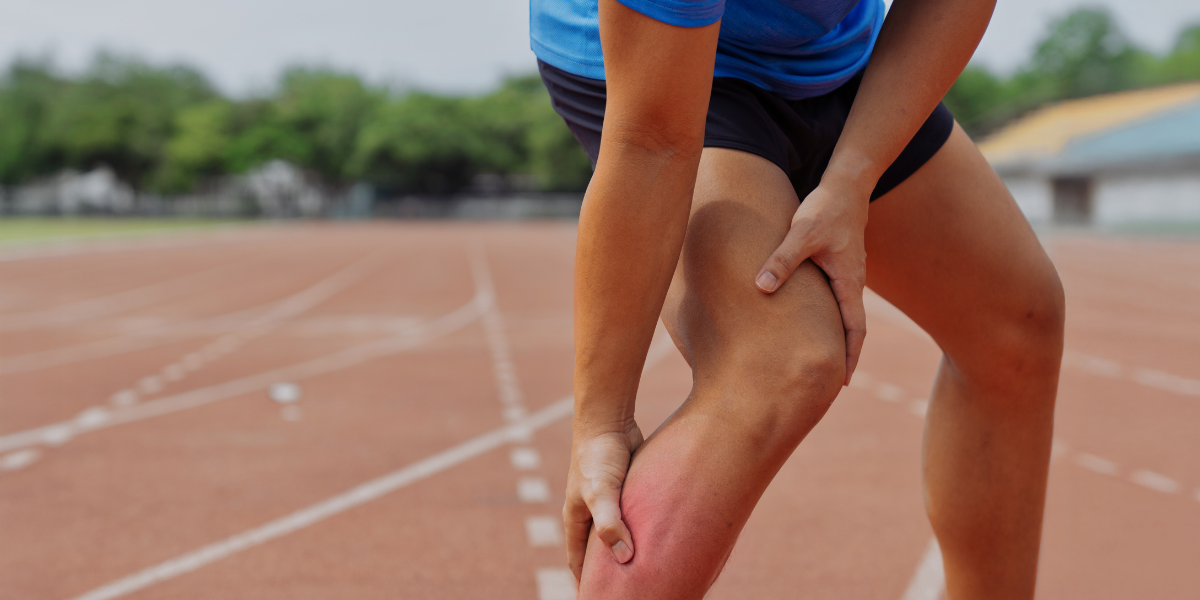
Most leg cramps are temporary and harmless. They can occur after exercise, dehydration, muscle strain, or prolonged sitting or standing in one position.
Still, some cramps have a different pattern. If they occur often, wake you from sleep, or are accompanied by swelling and heaviness, circulation issues may be involved.
Signs Your Leg Cramps May Be Vein-Related
Vein-related cramps usually occur in pairs. Many people notice other symptoms around the same time, including:
- Heavy or tired legs
- Swelling near the ankles or calves
- Aching that gets worse later in the day
- Visible varicose veins or spider veins
- Cramping after long periods of standing or sitting
Nighttime leg cramps are especially common in people with circulation problems. Blood flow changes while you rest, which can make discomfort easier to notice. If these symptoms sound familiar, a vein treatment consultation may help uncover the cause.
Who Is Most at Risk?
Certain habits and health factors can raise the risk of vein disease. Long-term standing or sitting jobs might put additional strain on the veins in the legs. Family history, pregnancy, aging, reduced activity, and extra weight may also contribute.
Many patients searching for a vein clinic near Jersey City or a varicose vein specialist in Clifton, NJ, first seek help after cramps begin affecting sleep, work, or daily routines.
Understanding the Connection Between Vein Disease and Leg Cramps
Your veins have an important job. They carry blood from the legs back toward the heart using tiny valves that keep blood moving in the right direction.
When those valves weaken, blood can collect in the lower legs rather than flow upward efficiently. It’s called chronic venous insufficiency.
As pressure builds in the veins, symptoms such as swelling, heaviness, aching, and cramping may appear.
Why Leg Cramps Are a Common Symptom
Muscles rely on healthy circulation to function properly. When blood flow slows down, muscles may not receive enough oxygen and nutrients. Over time, that can contribute to cramping and discomfort.
Many people notice their symptoms worsening at the end of the day. Others feel cramps most strongly at night when they are finally trying to relax.
If leg cramps happen alongside visible veins or swelling, it may be time to explore varicose vein treatment or spider vein treatment options.
Other Vein Conditions Linked to Cramping
Several vein conditions can contribute to recurring leg pain and cramping, including:
- Varicose veins
- Spider veins
- Chronic venous insufficiency
- Circulation-related swelling and pressure
Spider veins are usually thought of as a cosmetic problem; however, they can still cause pain or burning sensations. A proper evaluation helps determine whether deeper circulation problems are involved.
Symptoms That May Indicate You Need Vein Treatment
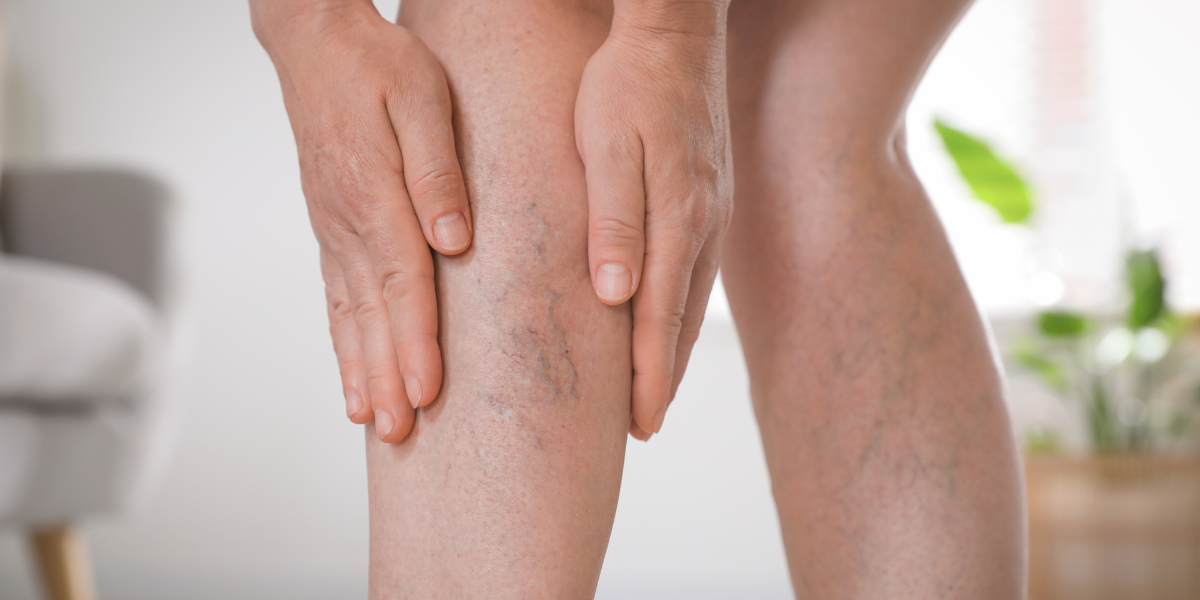
Leg cramps by themselves do not always point to vein disease. The concern grows when cramps appear with other circulation-related symptoms.
Persistent Leg Pain and Heaviness
One of the most common complaints is the feeling of heavy or tired legs. Some people describe it as a dull ache that becomes harder to ignore as the day goes on.
Others notice relief after elevating their legs for a short time. That temporary improvement can be a clue that blood flow is struggling against gravity.
Early treatment of varicose veins may help relieve pressure and improve comfort before symptoms worsen.
Visible Warning Signs
Vein disease often causes changes you can actually see, including:
- Bulging varicose veins
- Clusters of spider veins
- Swelling around the ankles
- Skin discoloration
- Burning or tingling sensations
These symptoms may seem minor at first, but they can become harder to manage over time.
When Symptoms Should Not Be Ignored
Recurring cramps that continue despite hydration, stretching, and rest deserve attention. The same goes for symptoms that affect sleep, walking, exercise, or work.
A vein treatment consultation can help determine whether your symptoms are connected to vein disease or another circulation issue.
How to Tell the Difference Between a Leg Cramp and a Blood Clot
Many people worry about blood clots when they experience sudden leg pain. While most cramps are harmless, certain symptoms should never be ignored.
Symptoms of a Typical Leg Cramp
A standard muscle cramp usually:
- Causes sudden tightening or spasms
- Improves with stretching or movement
- Happens after dehydration or fatigue
- Fades within minutes
Warning Signs of a Possible Blood Clot
A possible blood clot may involve:
- Swelling in one leg
- Warmth or redness in the calf
- Ongoing tenderness or pain
- Symptoms that do not improve with movement
If leg pain appears with chest pain or shortness of breath, seek medical care immediately.
Risks of Ignoring Vein-Related Leg Cramps
Vein disease tends to develop gradually. What begins as occasional discomfort can slowly turn into daily pain and swelling.
Potential Health Complications
Without treatment, vein disease may lead to:
- Chronic swelling
- Skin discoloration
- Venous ulcers
- Ongoing inflammation
- Reduced mobility
This is one reason vascular screening services can be so helpful. Finding circulation problems early often leads to easier treatment and better long-term comfort.
Impact on Quality of Life
Poor circulation affects people in different ways. Some struggle with interrupted sleep because of nighttime cramping. Others stop exercising or avoid standing for long periods because their legs feel tired and achy.
Modern minimally invasive vein procedures are designed to improve circulation while keeping recovery manageable for patients with busy schedules.
How Vein Specialists Diagnose the Cause of Leg Cramps
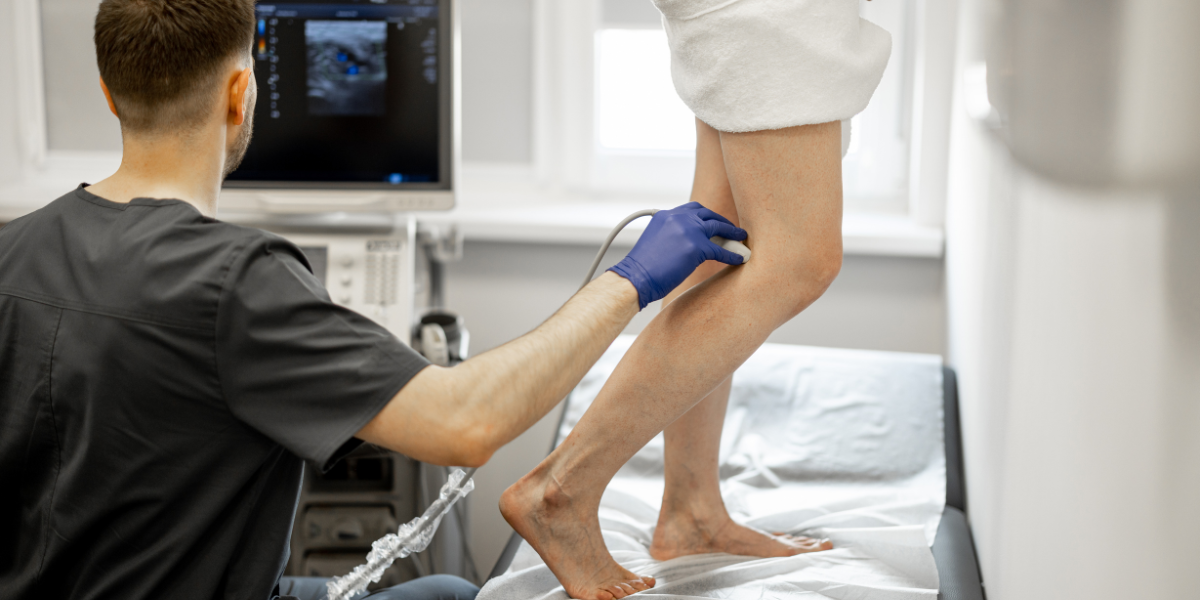
Getting the right diagnosis matters because not every cramp is caused by vein disease. A specialist looks at the full picture rather than focusing on a single symptom.
Comprehensive Vein Evaluations
During a vein evaluation, providers often ask questions about:
- When cramps happen
- Whether symptoms worsen at night
- Swelling or heaviness in the legs
- Visible veins
- Daily activities and work habits
These details help determine whether a vein treatment consultation is the right next step.
Advanced Diagnostic Technology
Ultrasound imaging is commonly used to check blood flow and vein function. The test is noninvasive and provides specialists with a clear view of how the veins are functioning.
Vascular screening services can identify circulation problems early, sometimes before symptoms become severe.
Personalized Treatment Planning
Treatment depends on the patient’s symptoms, vein health, and lifestyle. Some people benefit from compression therapy and movement changes, while others may need minimally invasive vein procedures.
The goal is to improve circulation, reduce discomfort, and help patients return to normal activities with less pain.
Minimally Invasive Vein Treatments for Lasting Relief
Vein care has changed significantly over the years. Many treatments that once required surgery can now be performed in an outpatient setting.
Common Non-Surgical Vein Treatments
Treatment options may include:
- Endovenous laser therapy (EVLT)
- Radiofrequency ablation
- Sclerotherapy for spider veins
- Other minimally invasive vein procedures
These treatments work by closing damaged veins, allowing blood to naturally reroute through healthier pathways.
Benefits of Early Vein Treatment
Treating vein disease early may help:
- Reduce swelling and cramping
- Improve circulation
- Relieve heaviness and aching
- Prevent symptoms from progressing
- Improve mobility and daily comfort
Many patients also appreciate the cosmetic improvements that come with treatments for spider veins and varicose veins.
Recovery and Results
Most procedures involve little downtime. Patients are often encouraged to walk shortly after treatment and can usually return to normal routines quickly.
Results appear gradually as circulation improves. Over time, many patients notice less heaviness, fewer cramps, and better comfort throughout the day.
Conditions That May Start With Leg Cramps
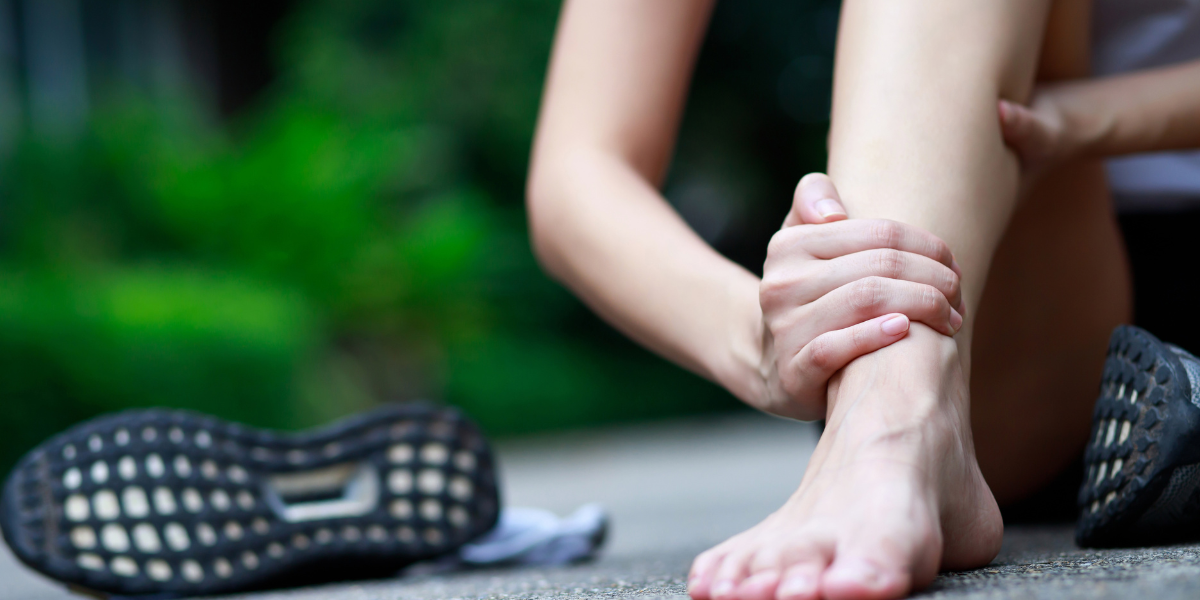
Not every leg cramp points to vein disease. Muscle fatigue, dehydration, electrolyte imbalance, sciatica, and nerve irritation can also trigger cramping.
Still, recurring cramps paired with swelling or visible veins should not be brushed aside. A proper diagnosis helps avoid delays in treatment and unnecessary frustration.
Finding Trusted Vein Specialists Close to Home
Selecting the right provider can significantly impact your experience and the results you achieve.
What to Look for in a Vein Clinic
A strong vein clinic should offer:
- Comprehensive evaluations
- Ultrasound-based vascular screening services
- Personalized treatment plans
- Access to minimally invasive vein procedures
- Ongoing follow-up care
Patients searching for a vein doctor in East Brunswick or a vein clinic near Jersey City often want both medical expertise and convenient local access.
Convenient Access Across New Jersey and Pennsylvania
Local care matters because vein treatment may involve evaluations, imaging, treatment sessions, and follow-up visits.
Patients in Clifton, Hillsborough, Metuchen, Somerset, Jersey City, East Brunswick, and Easton benefit from having trusted vein specialists nearby.
How TeamMD Approaches Vein-Related Leg Pain and Cramping
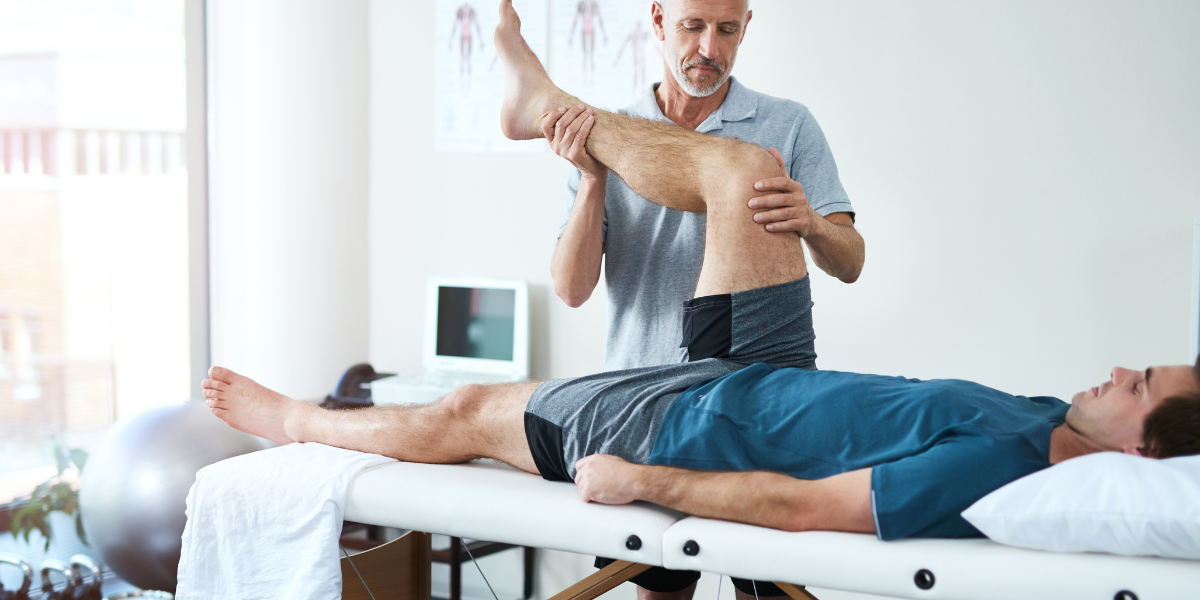
TeamMD uses advanced imaging and personalized evaluations to understand whether vein disease is contributing to leg cramps and circulation problems.
Our team carefully examines symptoms such as swelling, aching, heaviness, skin changes, and visible veins before creating a customized care plan.
Our Treatment Options
We provide advanced minimally invasive vein procedures designed to improve circulation and reduce chronic discomfort with minimal downtime.
Our treatment plans may include:
- Spider vein treatment
- Varicose vein treatment
- Compression therapy
- Circulation-focused care plans
Multi-Specialty Care Across New Jersey and Pennsylvania
We proudly care for patients across Clifton, Hillsborough, Hamilton, Metuchen, Jersey City, Middletown, East Brunswick, Somerset, Succasunna, Millburn, Flemington, and Easton.
Our multi-specialty approach supports patients dealing with vein disease, chronic pain, orthopedic concerns, and mobility challenges.
Conclusion
Recurring leg cramps can be easy to ignore at first. But when they occur frequently or are accompanied by swelling, heaviness, aching, or visible veins, they may indicate circulation problems that warrant attention. Vein disease often develops slowly, which is why early evaluation matters. With the right diagnosis, many patients find relief through vascular screening services, lifestyle changes, and modern treatment options. A professional vein treatment consultation can help you understand what is causing your symptoms and what steps may improve your comfort and mobility. If leg cramps are starting to interfere with your sleep, movement, or daily routine, speaking with a trusted vein specialist may be a smart next step. Ready to find relief from recurring leg cramps? Schedule a consultation to learn whether vein disease may be contributing to your symptoms.
Frequently Asked Questions About Leg Cramps and Vein Disease
Can vein problems cause leg cramps?
Yes. Cramps might return, especially at night, if blood pools in the legs and you have poor circulation. We evaluate circulation problems and create personalized treatment plans to help relieve leg discomfort.
How do I know if I need vein treatment?
Swelling, aching, heaviness, visible veins, and ongoing discomfort may point to vein disease. We use advanced imaging and vascular screening services to identify the cause of your symptoms.
How can you tell if it’s a leg cramp or a blood clot?
A regular leg cramp usually improves with stretching, while a blood clot may cause swelling, redness, warmth, and persistent pain. We help patients understand their symptoms and guide them toward the right level of care.
What disease often starts with leg cramps?
Leg cramps may be linked to chronic venous insufficiency, varicose veins, circulation disorders, dehydration, or nerve conditions. We provide personalized evaluations to determine whether vein disease may be contributing to your symptoms.
Are leg cramps a precursor to a stroke?
Most leg cramps are not related to stroke, though a medical professional should still check circulation-related symptoms. We help patients identify underlying vein and circulation issues before symptoms become harder to manage.