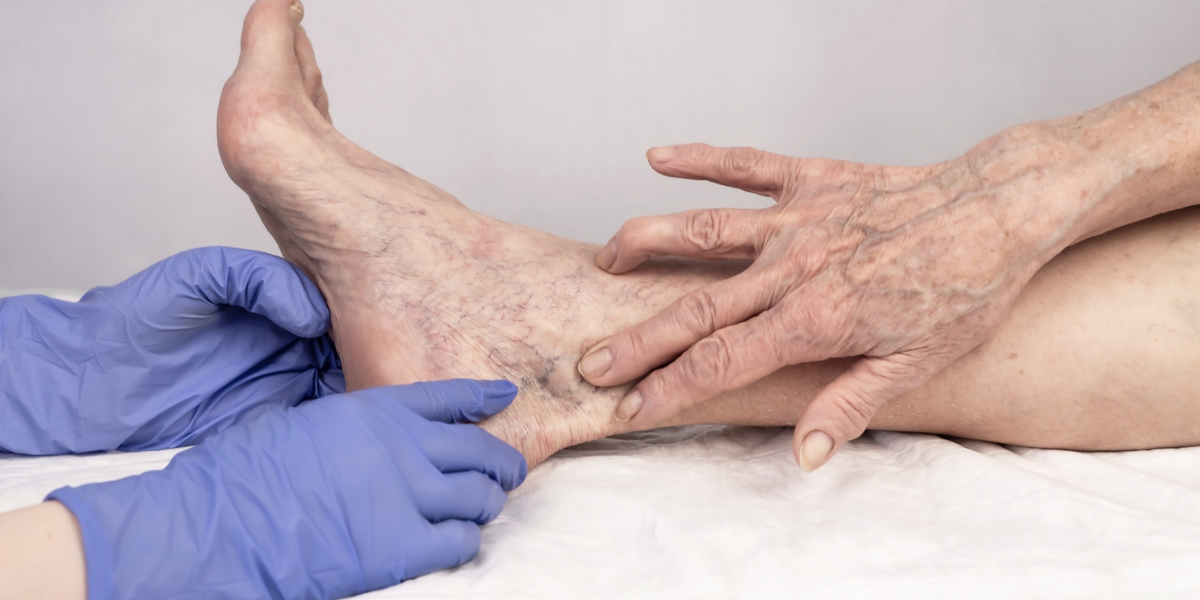
Varicose veins are easy to brush off at first. For some people, it starts with a few visible veins that seem harmless. For others, they bring aching legs, swelling, heaviness, or discomfort that slowly becomes part of everyday life. The problem is that vein issues rarely improve on their own. What begins as a cosmetic concern can turn into ongoing circulation problems that affect mobility, sleep, exercise, and overall comfort.
You can prevent more serious health problems later on by knowing when to seek medical attention. In this guide, you’ll learn the warning signs of vein disease, the risks of leaving symptoms untreated, and which treatment options may help you feel better and move more comfortably again. If you’ve been thinking about scheduling a vein treatment consultation, this article will help you understand what to expect and when it may be time to take the next step.
Understanding Varicose Veins and Why They Develop
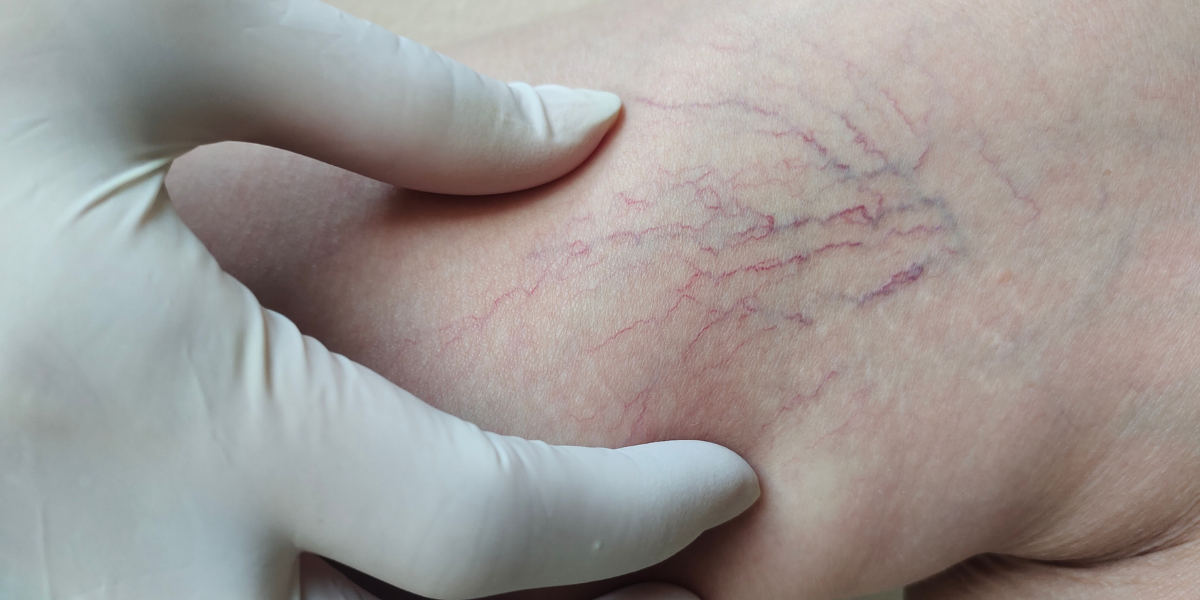
Varicose veins happen when the tiny valves inside your veins stop working the way they should. Blood starts to accumulate in the veins rather than being easily returned to the heart. Over time, the veins stretch, twist, and become more visible under the skin.
Many people think varicose veins are purely cosmetic, but that is not always the case. Vein disease can affect circulation, comfort, and even skin health if symptoms continue getting worse. A proper varicose vein evaluation helps doctors understand whether the problem is mild or part of a deeper circulation issue.
What Are Varicose Veins?
Enlarged veins that frequently appear blue, purple, or elevated beneath the skin are known as varicose veins. They usually develop in the legs because standing and walking place extra pressure on lower-body veins.
Spider veins are different. They are smaller, thinner, and closer to the skin’s surface. Even though they are often treated for cosmetic reasons, some patients still choose spider vein treatment after noticing discomfort or changes in circulation.
Weak vein valves are usually the root cause of both conditions. As blood flow slows, pressure builds inside the veins, causing them to enlarge.
Common Causes and Risk Factors
Vein disease can affect almost anyone, though certain factors increase the risk.
Some of the most common causes include:
- Aging
- Family history of vein problems
- Pregnancy
- Excess weight
- Sitting or standing for long hours
- Limited physical activity
People living with chronic pain, arthritis, or mobility issues may also notice worsening circulation over time. Early vascular screening services can help identify circulation concerns before symptoms become harder to manage.
Early Symptoms Patients Often Ignore
Many early symptoms feel minor at first, which is why people often wait too long before seeing a specialist.
Common warning signs include:
- Aching legs
- Leg heaviness
- Swelling around the ankles
- Burning or throbbing sensations
- Night cramps
- Itchy skin near veins
- Visible twisted veins
These symptoms may come and go at first, but they often become more noticeable over time. Scheduling a vein treatment consultation early can help prevent future complications.
Warning Signs You Should See a Doctor for Varicose Veins
Not every visible vein needs immediate medical treatment. Still, certain symptoms can signal worsening vein disease and should not be ignored. Persistent discomfort, swelling, or skin changes often indicate circulation problems that warrant professional attention.
Persistent Leg Pain and Discomfort
Do your legs feel heavy or sore at the end of the day? That feeling may be tied to poor circulation. Many patients notice discomfort after standing, walking, or sitting for long periods. Others feel aching, throbbing, or fatigue that starts to interfere with work, exercise, or sleep.
A professional varicose vein evaluation can help determine whether your symptoms are linked to damaged veins. The good news is that modern minimally invasive vein treatment options often relieve discomfort without long recovery times.
Swelling in the Legs and Ankles
Another typical symptom of vein disease is swelling in the ankles or lower legs. This happens when fluid builds up because blood is not circulating properly. Occasional swelling may not seem serious, but a specialist should evaluate chronic swelling. Advanced vascular screening services can help identify circulation problems and determine whether damaged veins are contributing to the issue.
Skin Discoloration and Texture Changes
As circulation problems continue, the skin around the ankles and lower legs may begin to change. Some people notice brown or reddish discoloration. Others develop dry, itchy, or thickened skin that feels irritated or tender. These symptoms can point to chronic venous insufficiency, a condition in which blood struggles to flow properly through the veins.
Bleeding Veins or Open Leg Ulcers
Bleeding veins should always be treated seriously. Varicose veins close to the skin’s surface can rupture after minor pressure or injury. In some cases, patients also develop open sores near the ankles called venous ulcers.
These wounds often heal slowly because circulation is poor. A full varicose vein evaluation can help determine the safest and most effective treatment approach.
Tender Lumps or Warm Areas in the Leg
A tender or warm vein may be a sign of superficial thrombophlebitis, a condition characterized by inflammation and clotting of the veins. While some surface clots stay localized, others may require additional testing. Prompt vascular screening services help doctors rule out deeper circulation concerns.
Cosmetic Concerns Affecting Confidence or Lifestyle
Visible veins can affect emotional well-being, too. Some people avoid shorts, dresses, swimming, or social situations because they feel uncomfortable showing their legs. Modern spider vein treatment and other minimally invasive procedures can improve both appearance and comfort, helping patients feel more confident again.
When Varicose Veins Require Immediate Medical Attention
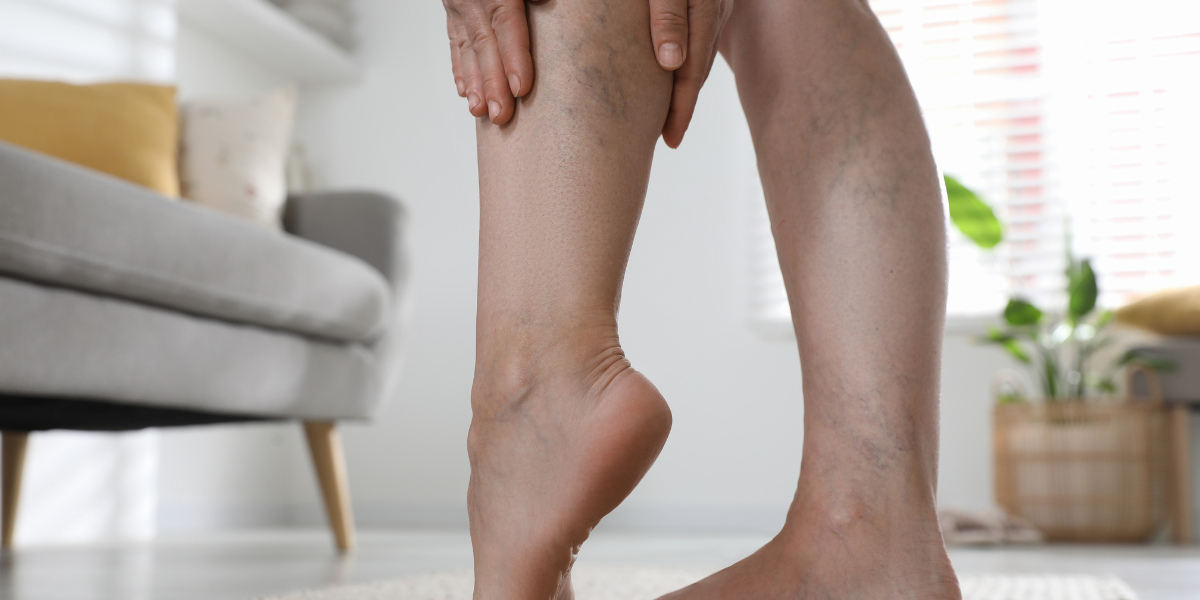
Some symptoms should never wait for a routine appointment. Sudden swelling, chest pain, or severe bleeding may signal a medical emergency that needs immediate care.
Sudden or Severe Leg Swelling
Rapid swelling in one leg can sometimes indicate a blood clot or a serious circulation problem. If swelling appears suddenly along with redness, warmth, or pain, seek medical care right away.
Chest Pain or Difficulty Breathing
Blood clots can occasionally travel to the lungs, creating a dangerous condition called a pulmonary embolism.
If you have chest pain, trouble breathing, feel dizzy, or faint, get emergency help right away.
Heavy Bleeding From a Varicose Vein
Ruptured veins may bleed heavily because the pressure inside them is high.
If this happens:
- Raise the leg
- Apply firm pressure
- Seek emergency medical attention
Quick action can help reduce complications.
Health Risks of Untreated Varicose Veins
Ignoring vein symptoms for too long can lead to ongoing circulation problems that affect comfort, mobility, and skin health. Early treatment often helps patients avoid these complications.
Chronic Venous Insufficiency
Chronic venous insufficiency develops when damaged veins struggle to return blood to the heart. Over time, poor circulation can lead to swelling, skin changes, discomfort, and tissue damage.
Blood Clots and Vein Inflammation
Inflamed veins and superficial clots can become painful and make movement difficult. Some patients may need additional imaging or testing to rule out deeper clotting concerns. A professional vein treatment consultation can help identify the right next steps.
Reduced Mobility and Quality of Life
Persistent leg pain and swelling can slowly limit daily activities. Many patients find it harder to walk comfortably, exercise regularly, or stay active for long periods. After minimally invasive vein treatment, many people notice greater comfort, improved mobility, and reduced leg fatigue.
How Vein Specialists Diagnose Varicose Veins
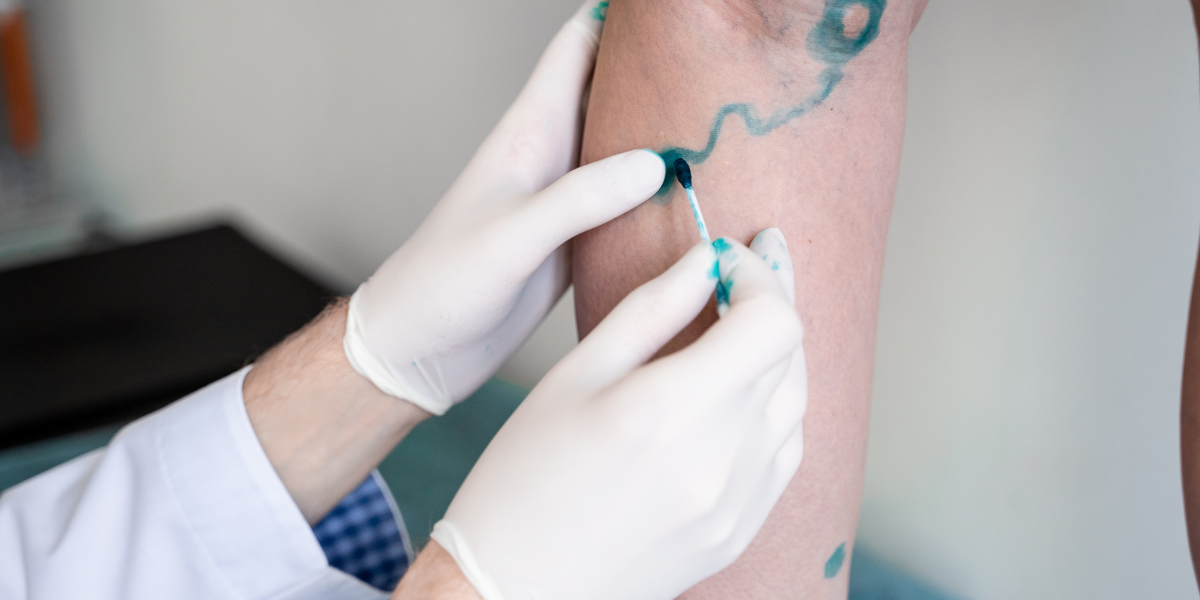
Visible veins do not always tell the whole story. That’s why vein specialists use advanced imaging and circulation testing to understand what is happening beneath the surface. A clear diagnosis helps patients receive treatment that fits their symptoms and lifestyle.
Physical Examination and Symptom Review
During a vein treatment consultation, the specialist reviews symptoms, medical history, circulation concerns, and daily habits.
Patients are often asked about:
- Pain or heaviness
- Swelling
- Cramping
- Skin changes
- Family history of vein disease
- Previous circulation issues
This conversation helps doctors identify patterns that may point to vein disease.
Ultrasound and Vascular Evaluation
Ultrasound imaging allows specialists to visualize blood flow in veins in real time. This type of varicose vein evaluation can reveal damaged valves, circulation problems, or blood clots that are not visible during a physical exam. Many clinics also use advanced vascular screening services to create a clearer picture of vein health.
Personalized Treatment Recommendations
Every patient’s treatment plan is different. Doctors consider the size of the veins, symptom severity, circulation health, and lifestyle before recommending care. Many patients prefer minimally invasive vein therapy because the procedures are usually performed in outpatient settings with minimal downtime.
Conservative Treatments That May Help Early Symptoms
Some mild vein symptoms improve with healthy lifestyle habits and conservative care. These treatments can support circulation and reduce discomfort, especially in the early stages of vein disease.
Compression Stockings and Circulation Support
Compression stockings give your legs a gentle squeeze to improve blood flow. Many patients notice reduced swelling, aching, and fatigue after wearing them regularly.
Exercise and Lifestyle Modifications
Movement plays an important role in healthy circulation. Walking, stretching, and maintaining a healthy weight may help reduce pressure on the veins. Taking breaks from prolonged sitting or standing may enhance blood flow.
Leg Elevation and Daily Habits
Small daily habits often make a noticeable difference. Elevating the legs, staying hydrated, and wearing supportive footwear may help ease swelling and discomfort.
When Conservative Care Is No Longer Enough
Home care does not always stop vein disease from progressing. If symptoms continue getting worse, a professional vein treatment consultation can help determine whether advanced treatment may provide better relief.
Minimally Invasive Vein Treatments for Lasting Relief
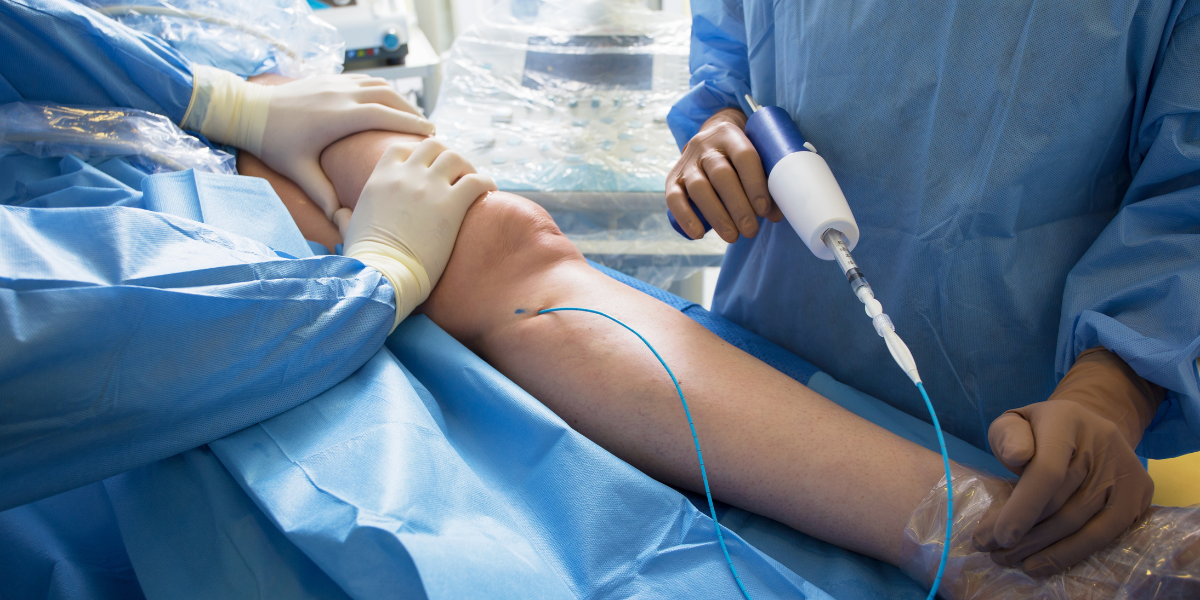
Modern vein care has changed a lot over the years. Many patients can now receive effective treatment without major surgery or long recovery periods.
Sclerotherapy for Smaller Varicose and Spider Veins
Sclerotherapy uses a special solution to close damaged veins. Over time, the treated veins fade and become less visible. This common spider vein treatment is often used for smaller veins and cosmetic concerns.
Endovenous Laser and Radiofrequency Ablation
These treatments use heat energy to close damaged veins from the inside. Many patients choose these advanced minimally invasive vein treatment options because recovery is usually quick and discomfort is limited.
Ambulatory Phlebectomy
Ambulatory phlebectomy removes surface veins through tiny incisions. The surgery is usually done on an outpatient basis and leaves very minimal scars.
Vein Stripping and Ligation for Advanced Cases
Surgery is less common now, though it may still be recommended for severe vein disease. Vein stripping removes larger damaged veins that cannot be treated effectively with newer techniques.
Recovery and Long-Term Vein Health
Recovery depends on the type of procedure and the severity of vein disease. Most patients benefit from walking regularly, wearing compression stockings, and following their doctor’s aftercare instructions.
Choosing the Right Vein Specialist Near You
Finding the right specialist can have a big impact on your treatment experience and long-term results. Patients should seek providers with experience in diagnosing circulatory problems and performing advanced vein procedures.
Importance of Experience and Advanced Technology
Experienced specialists often use advanced imaging technology to diagnose vein disease with greater accuracy. Clinics offering modern minimally invasive vein treatment procedures may also provide faster recovery and greater comfort.
Access to Convenient Local Care
Patients searching for a vein specialist near Clifton, NJ, a vein doctor in Jersey City, or a vein clinic in Easton, PA often prefer local care close to home. Easy access to appointments and follow-up visits can improve the overall treatment experience.
Questions to Ask During Your Consultation
Helpful questions may include:
- Which treatment options fit my symptoms?
- Will I need ultrasound imaging?
- How long is the recovery?
- Does insurance cover treatment?
- What results can I expect?
Good communication helps patients feel informed and comfortable moving forward.
How Varicose Veins Can Overlap With Other Pain and Mobility Conditions

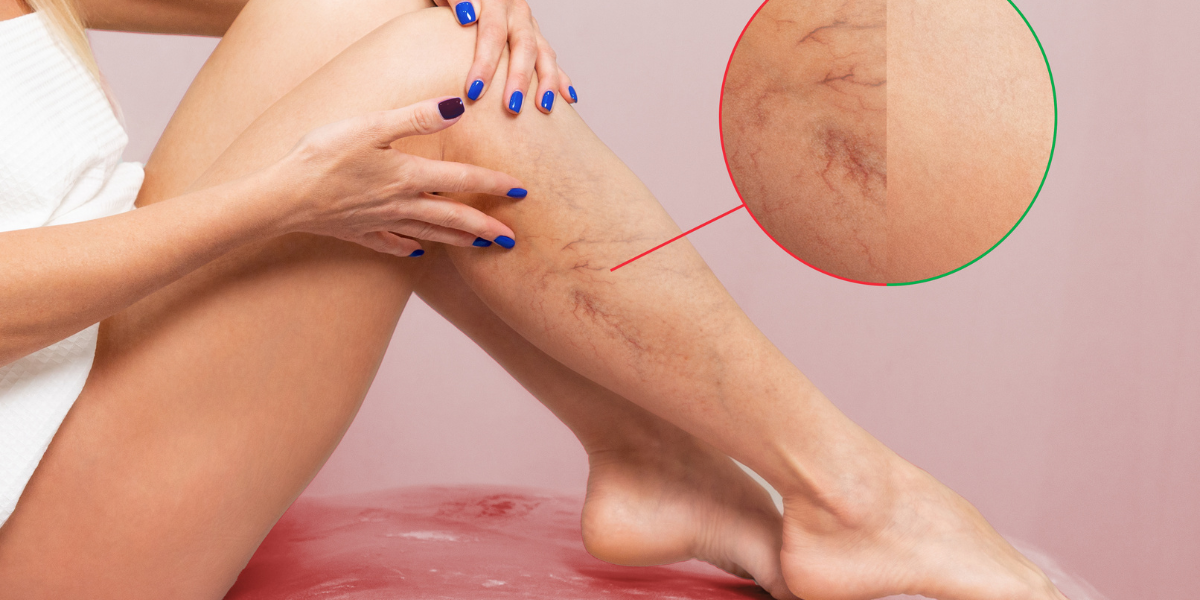
Leg discomfort is not always caused solely by vein disease. Several conditions share similar symptoms, which is why an accurate diagnosis matters.
Leg Pain vs. Nerve or Joint Pain
Aching, burning, and heaviness may resemble symptoms linked to arthritis, sciatica, or nerve compression. A detailed varicose vein evaluation helps doctors identify the true source of discomfort.
Reduced Mobility and Poor Circulation
Limited movement due to injuries, chronic pain, or joint problems may reduce circulation and increase pressure in the veins. Over time, this can worsen symptoms.
Benefits of Coordinated Specialty Care
Some patients benefit from care that involves vein specialists, orthopedic providers, and pain management doctors working together. A coordinated approach can improve circulation, mobility, and overall quality of life.
Why Patients Trust TeamMD for Advanced Varicose Vein Care Across New Jersey and Pennsylvania
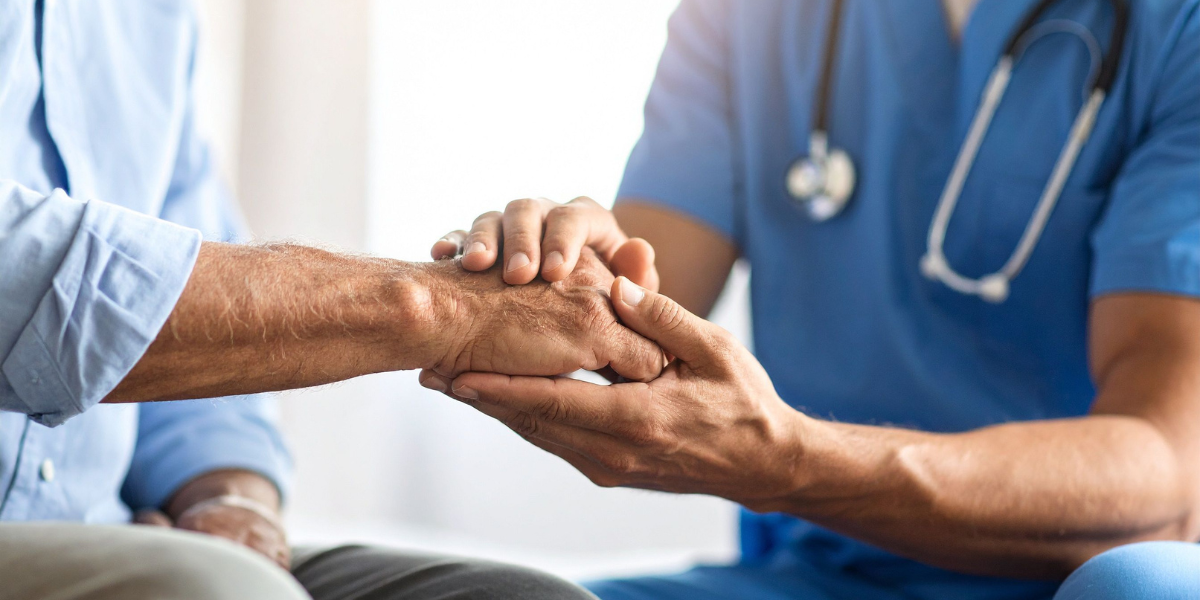
Patients often come to us seeking relief from pain and swelling, but they also want answers, support, and care that feel personal to their needs.
At TeamMD, we focus on improving comfort, circulation, and long-term wellness through treatment plans designed around each patient’s symptoms and lifestyle.
Personalized Vein Treatment Designed Around Your Symptoms
We understand that every patient experiences vein disease differently. Our team carefully evaluates pain, swelling, circulation concerns, and lifestyle limitations before recommending treatment. This helps us build care plans that support immediate comfort and long-term vein health.
Advanced Minimally Invasive Procedures Close to Home
We provide advanced minimally invasive vein treatment options throughout Clifton, Hillsborough, Jersey City, Somerset, Metuchen, East Brunswick, Easton, and nearby communities.
Our patients have access to modern outpatient procedures, advanced imaging technology, and convenient care close to home.
Comprehensive Care From a Multi-Specialty Medical Team
Many of our patients are also dealing with chronic pain, orthopedic conditions, or mobility challenges that affect circulation and daily comfort.
We take a collaborative approach to care by coordinating treatment across specialties when needed. We aim to support patients to enhance their circulation, mobility, and overall quality of life on a personalized basis.
Conclusion
Varicose veins can gradually affect comfort, circulation, mobility, and confidence when symptoms are left untreated. Pain, swelling, skin changes, or bleeding veins should never be ignored, especially when symptoms begin interfering with daily activities.
The good news is that modern treatment options can provide real relief. From conservative therapies to advanced minimally invasive vein treatment, patients now have access to effective care with shorter recovery times and less discomfort.
If your symptoms continue getting worse or your legs no longer feel comfortable day to day, scheduling a professional vein treatment consultation can help you understand your options and improve your long-term vein health. Contact a trusted vein specialist in New Jersey or eastern Pennsylvania to schedule an evaluation and learn which treatment may be right for you.