
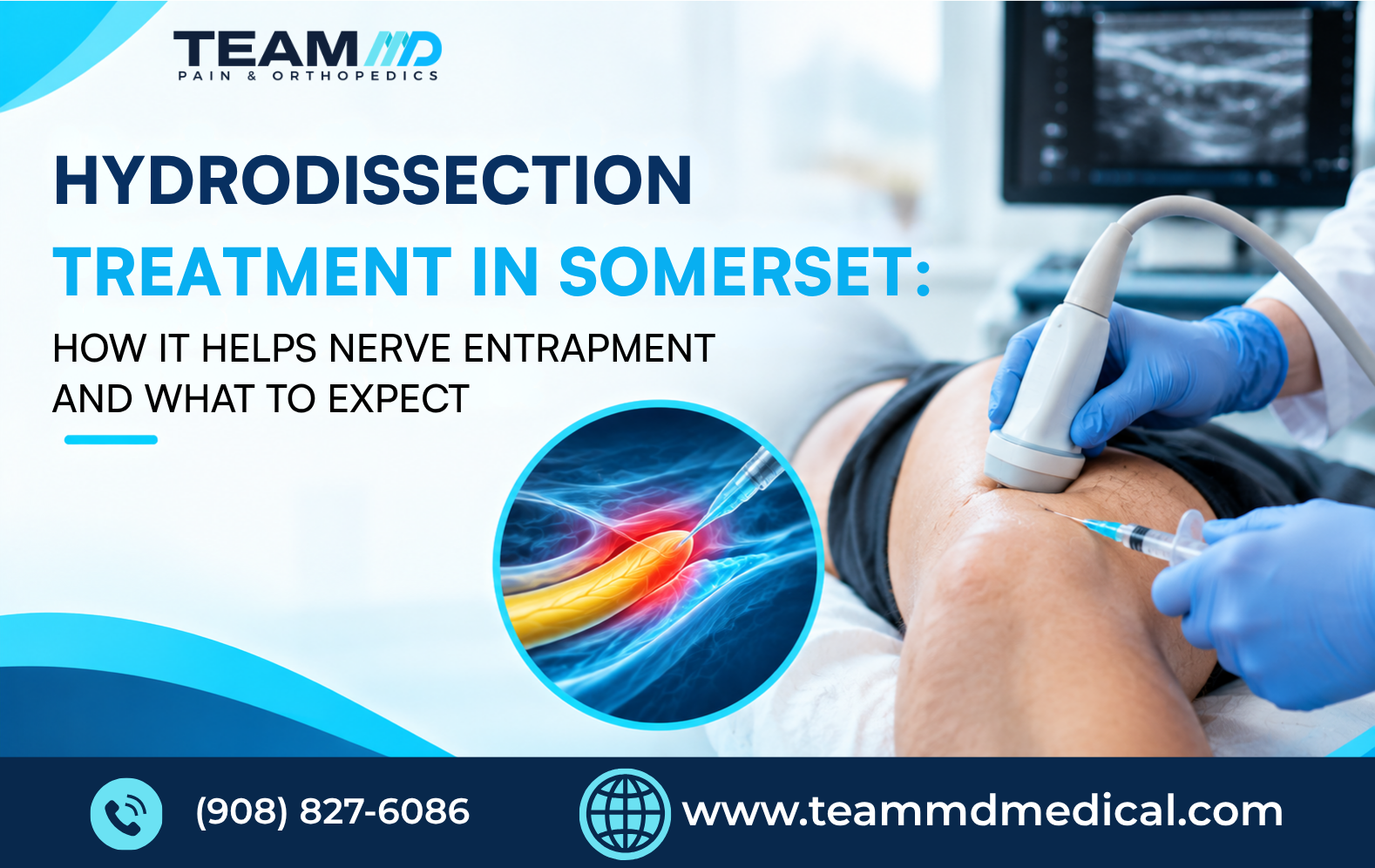
Persistent tingling, burning, numbness, or shooting pain can make ordinary tasks surprisingly difficult. Walking, typing, sleeping, driving, or working may become uncomfortable when nearby tissue irritates or compresses a peripheral nerve.
Hydrodissection treatment in Somerset is one option that may be considered when a clearly identified nerve entrapment continues to cause symptoms despite appropriate conservative care. The procedure uses real-time ultrasound guidance and injects fluid around the affected nerve to separate it from surrounding tissue. The goal is to reduce mechanical irritation and improve nerve movement within its tissue plane, though symptom relief is not guaranteed. At TeamMD, we evaluate the cause of nerve-related symptoms before discussing treatment. Hydrodissection treatment Somerset, NJ patients receive should be based on the specific nerve involved, examination findings, previous care, and whether the procedure fits the clinical picture.
DID YOU KNOW?
A Trapped Nerve Doesn’t Always Need Surgery
Hydrodissection uses ultrasound-guided fluid injection to help separate a nerve from surrounding tissue. It may help relieve symptoms in selected cases of nerve entrapment.
Targeted Approach
Ultrasound helps guide the injection around the affected nerve.
No Surgical Incision
Fluid is delivered using a needle rather than open surgery.
Individual Results
Relief varies by nerve and underlying condition.
Experiencing Tingling or Nerve Pain?
Speak with our Somerset team about your symptoms and treatment options.
Treatment suitability and results vary. A medical evaluation is needed to identify the cause of your symptoms.
What Is Hydrodissection and How Does It Help Nerve Entrapment?

Nerve hydrodissection is a minimally invasive, ultrasound-guided procedure designed to create space around a peripheral nerve. The injected fluid separates the nerve from nearby fascia, scar tissue, or other structures that may restrict normal movement or contribute to compression. A peripheral nerve normally needs some ability to glide as the body moves. When surrounding tissue becomes tight, thickened, inflamed, or scarred, that movement can become restricted. Hydrodissection attempts to mechanically restore space around the nerve. It is one treatment option, not a diagnosis and not a universal answer for nerve pain.
How Ultrasound-Guided Hydrodissection Works
Ultrasound lets the clinician see the nerve, nearby blood vessels, muscles, tendons, and other structures in real time. The needle is guided toward the tissue plane around the nerve, not into the nerve itself. Fluid is then introduced gradually. As it spreads, the fluid can separate the nerve from adjacent tissue. The injectate type may vary based on the clinical situation and provider judgment. Research has examined solutions such as saline, local anesthetic, corticosteroid-containing mixtures, and 5% dextrose. This differs from a conventional injection that is mainly intended to deliver medication to a target. With hydrodissection, the fluid-created physical separation is an important part of the procedure.
Which Nerve Entrapment Conditions May Benefit From Hydrodissection?
Hydrodissection may be considered for selected peripheral nerve entrapments after the affected nerve has been identified. It is not appropriate for every case of numbness, tingling, burning, or shooting pain.
Common Nerve Problems Evaluated For Hydrodissection
Carpal tunnel syndrome is one of the most studied uses. Compression of the median nerve at the wrist can cause numbness, tingling, burning, or discomfort in parts of the hand. Hydrodissection may be discussed for some patients, particularly when symptoms fit the diagnosis and a non-surgical option remains reasonable. Ulnar nerve entrapment can affect the ring and little fingers and may occur around the elbow or another point along the nerve. Suitability depends on where the nerve is irritated, how severe the problem is, and whether weakness or structural compression is present.
Other superficial sensory nerves can also become irritated or restricted. In those situations, the key step is identifying the actual nerve involved instead of treating symptoms based on location alone. Similar complaints can also come from cervical radiculopathy, lumbar radiculopathy, peripheral neuropathy, or other neurologic conditions. Hydrodissection targets peripheral nerve entrapment, so diagnosis matters before an injection-based procedure is considered.
How Do We Determine Whether Hydrodissection Treatment in Somerset Is Appropriate?
The best candidates are patients with a reasonably clear peripheral nerve problem for which hydrodissection is clinically appropriate. Unexplained nerve pain by itself is not enough. A useful candidate discussion also looks at how much the symptoms interfere with function and what has already been tried. Someone with a localized entrapment that has not improved with reasonable conservative care may have a very different treatment discussion from a patient whose symptoms are widespread, rapidly progressing, or not clearly tied to one peripheral nerve.
At TeamMD’s Somerset location, we can review when symptoms began, where they travel, how long they have been present, what makes them worse, and which treatments have already been tried. We also consider medical history, medications, previous injuries, and changes in function.
Clinical Evaluation And Diagnostic Considerations
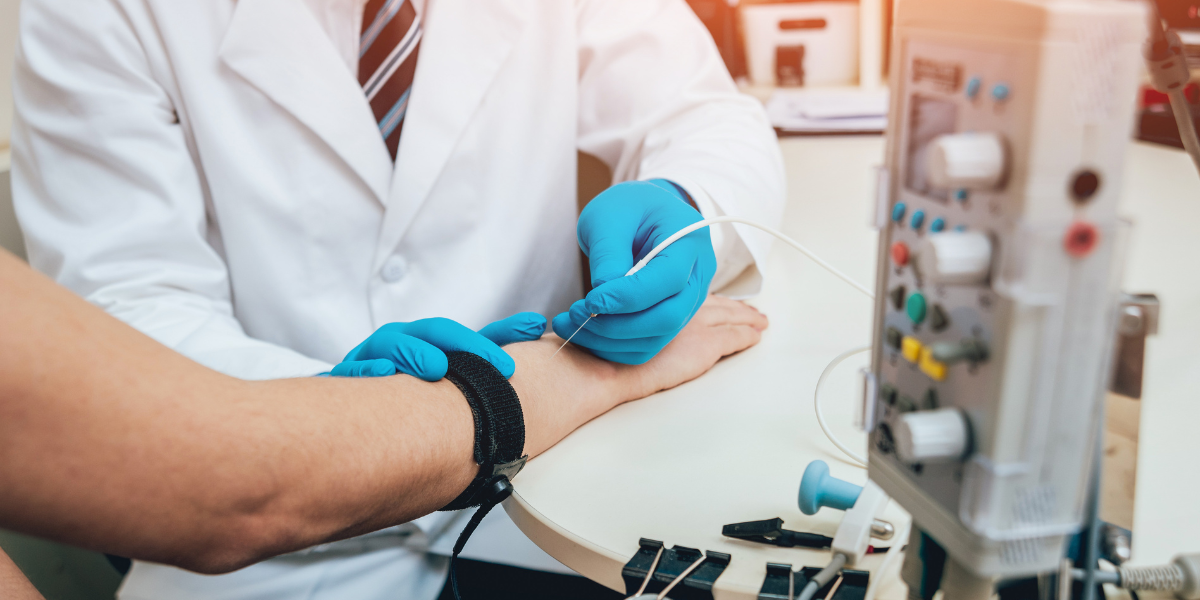
An examination may look for changes in sensation, focal tenderness, weakness, symptom reproduction, or patterns suggesting that a particular nerve is involved. Ultrasound can help visualize a superficial nerve and surrounding anatomy. Electrodiagnostic testing may also be considered in selected cases when it can help clarify the diagnosis or severity. Not every patient needs every test.
Another treatment may be more appropriate when symptoms come from the spine, severe structural compression is present, or weakness is significant or progressively worsening. Those findings can change both the urgency and the treatment plan.
What Happens During An Ultrasound-Guided Hydrodissection Procedure?
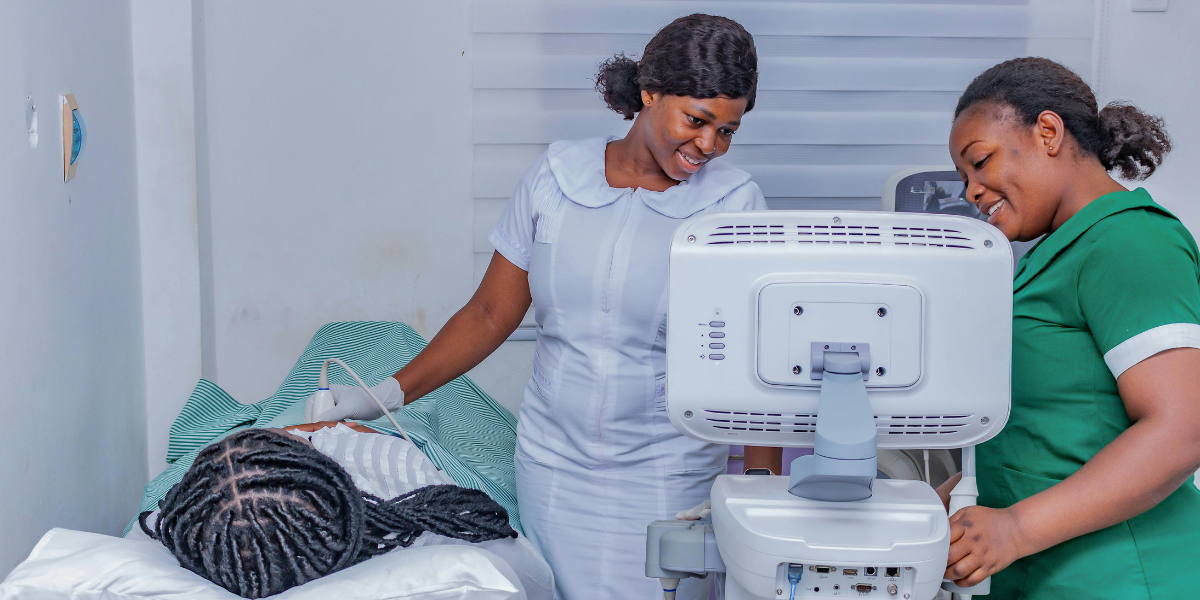
Patients usually want to know what the appointment actually involves. The details vary by nerve, location, injectate, and medical history, but the basic process is straightforward.
Before The Procedure
Before treatment, we review medications, allergies, medical conditions, previous procedures, and relevant imaging or test results. Blood-thinning medications and signs of infection should be discussed because they can affect procedural planning. The clinician confirms the treatment area, explains why hydrodissection is being considered, reviews reasonable benefits and risks, and answers questions before consent.
During The Procedure
The treatment area is cleaned, and ultrasound is used to identify the nerve and nearby structures. Local anesthetic may be used depending on the plan. A needle is advanced under continuous ultrasound guidance toward the tissue plane around the nerve. Fluid is introduced gradually while the clinician watches how it spreads. Patients may feel pressure, fullness, or temporary discomfort during the injection. The aim is controlled separation around the nerve while avoiding direct nerve injury and nearby structures.
Immediately After Treatment
Patients may be observed briefly and given individualized aftercare instructions. Temporary soreness, altered sensation, or numbness can occur depending on the injectate and treatment area. The exact appointment length, activity restrictions, and whether transportation is recommended depend on the specific procedure. Following the clinician’s instructions matters because different nerves and treatment plans do not have identical recovery needs.
What Results and Recovery Can Patients Expect After Nerve Hydrodissection?
Recovery from the injection itself is often relatively brief, but improvement in nerve-related symptoms is less predictable. Some people notice changes early, while others improve gradually or experience little benefit. Temporary soreness at the injection site may occur. Some patients can return to routine activity quickly, while others may be asked to modify certain movements for a period of time.
Follow-up helps determine whether pain, tingling, numbness, or function changes. Depending on the underlying problem, the broader plan may also include physical therapy, ergonomic changes, activity modification, or another pain-management strategy. Repeat hydrodissection is not automatically necessary. Evidence is strongest for some conditions, particularly carpal tunnel syndrome, while research on other peripheral nerve entrapments is still developing. Long-term results can vary. During follow-up, it can be useful to track function as well as pain. Changes in grip tolerance, walking comfort, sleep, work tasks, or the frequency of tingling may provide a fuller picture than a single pain score.
Is Hydrodissection Better Than Other Nerve Entrapment Treatments?
Hydrodissection should be compared with other reasonable options rather than treated as automatically superior. The right treatment depends on the nerve involved, symptom severity, functional limitations, diagnostic findings, and what has already been tried. Physical therapy may focus on movement, mobility, strength, and mechanical factors that contribute to symptoms. Splinting or activity modification can reduce aggravating positions for certain entrapments. Medication-based injections may be used when the goal includes delivering a particular medication to a target area. Hydrodissection focuses on separating the nerve from surrounding tissue with injected fluid. Surgical decompression may be needed when compression is severe, function is deteriorating, or conservative options are not appropriate or have not helped. At TeamMD, our broader pain management services allow hydrodissection to be considered alongside other options instead of in isolation. For some patients, another procedure such as a nerve block may serve a different diagnostic or therapeutic purpose.
What Are The Risks And Limitations Of Hydrodissection?
Hydrodissection is minimally invasive, but it is still a medical procedure. Possible complications can include temporary pain, bruising, bleeding, infection, allergic reaction, and rare injury to the nerve or nearby tissue. Ultrasound guidance helps the clinician visualize anatomy and needle placement, but it cannot eliminate every procedural risk. Patient selection, sterile technique, anatomical knowledge, and careful imaging guidance all matter.
The procedure may also fail to improve symptoms. A nerve may remain irritated because the underlying problem is different from what was expected, compression may be too severe, or another condition may be contributing. Rapidly progressive weakness, major loss of function, significant sensory loss, or worsening neurologic symptoms should prompt timely medical assessment rather than routine elective treatment.
How We Approach Nerve Hydrodissection At TeamMD in Somerset
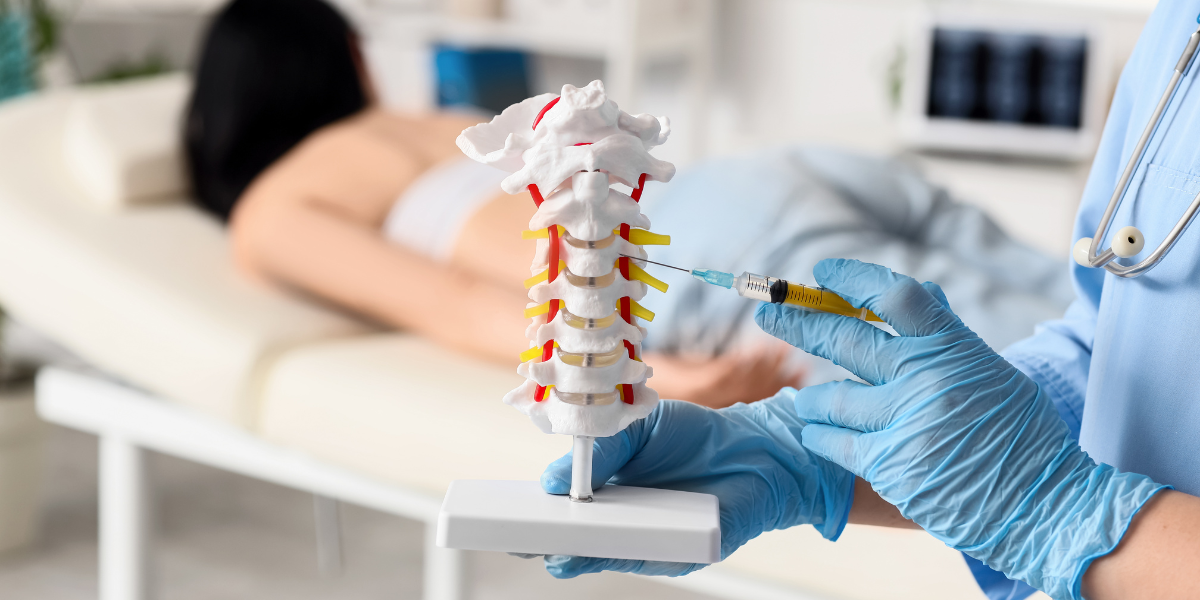
TeamMD offers nerve hydrodissection as part of its interventional pain-management services, including at the Somerset location. We start with diagnosis because the procedure makes the most sense when the affected peripheral nerve and likely source of irritation are reasonably clear.
We review symptoms, prior treatments, functional limitations, medical history, and available testing before recommending a procedure. When hydrodissection fits the clinical picture, ultrasound guidance is used to visualize the nerve and surrounding anatomy during treatment. Our team also discusses what hydrodissection can and cannot reasonably accomplish. It may be one part of a broader care plan that includes rehabilitation, activity modification, other interventional pain treatments, or referral for another type of evaluation. Patients can also review TeamMD’s current overview of hydrodissection for nerve pain to understand how the procedure fits within our wider pain-management approach.
Conclusion: Explore Hydrodissection Treatment In Somerset With TeamMD
Hydrodissection uses image-guided fluid injection to separate a peripheral nerve from surrounding tissues that may be contributing to entrapment or mechanical irritation. For appropriately selected patients, it may reduce nerve-related symptoms while avoiding surgery, but results depend on the underlying condition and individual response. The most important step comes before the procedure: identifying the cause of the nerve symptoms. Tingling, burning, numbness, or shooting pain can come from several different conditions, and treatment should match the diagnosis.
If persistent nerve symptoms are affecting your work, sleep, walking, or everyday activities, contact TeamMD in Somerset to schedule a nerve pain consultation. We can evaluate your symptoms, discuss whether ultrasound-guided nerve hydrodissection Somerset, NJ, care may be appropriate, and explain other treatment options that fit your needs.