
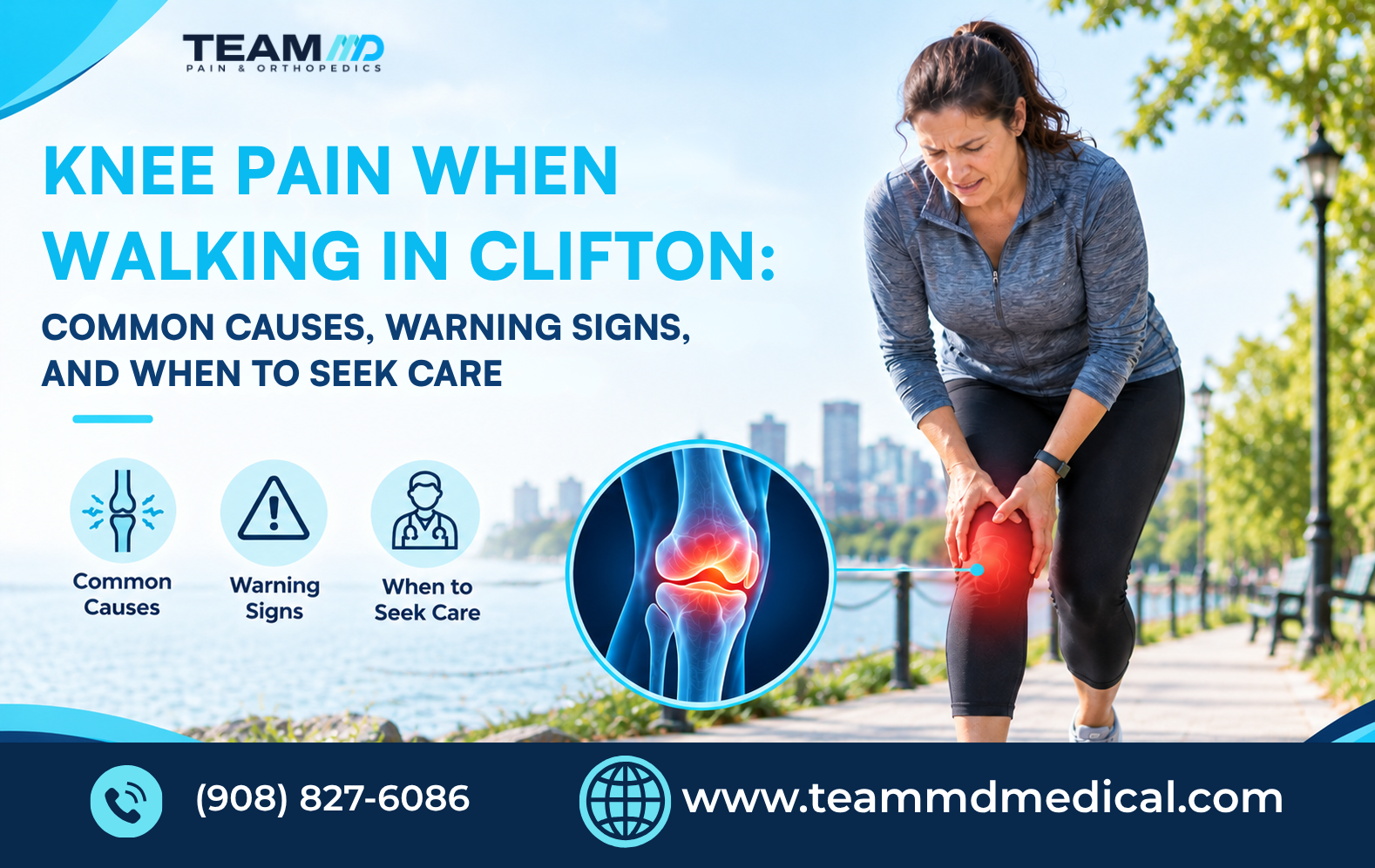
A morning walk, a flight of stairs, or even standing up after sitting for a while can become frustrating when knee pain changes how you move. For some people, discomfort appears gradually. For others, an injury or a sudden increase in activity can trigger the pain. Knee pain when walking can involve the joint surface, cartilage, ligaments, tendons, kneecap, or nearby soft tissues. Common causes include osteoarthritis, overuse, patellofemoral pain, and meniscus injuries. Persistent pain, swelling, instability, or loss of motion may need professional evaluation rather than repeated self-treatment. At TeamMD in Clifton, we approach knee pain treatment for Clifton, NJ patients by first looking at the symptom pattern, physical findings, previous injuries, and functional limits. Our goal is to understand why walking hurts before choosing the right treatment.
Why Does Knee Pain Happen When Walking?
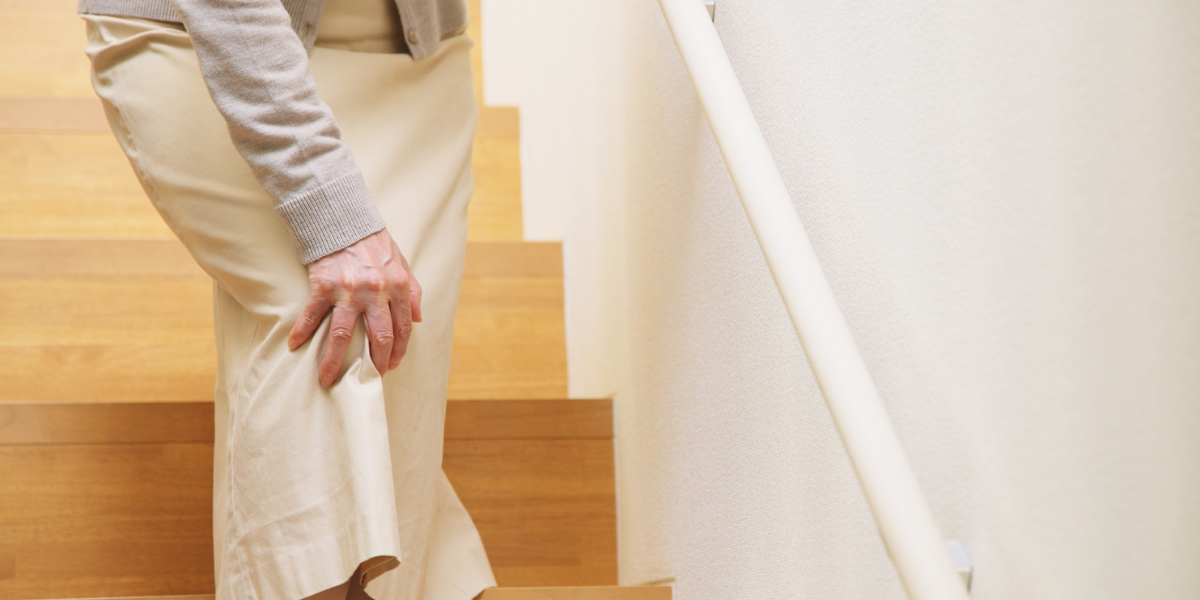
Walking repeatedly loads the knee while the joint bends, straightens, and transfers force between the hip, leg, and foot. Stairs, hills, longer distances, and standing after a period of sitting can increase those demands. Knee pain while walking can result from osteoarthritis, overuse, irritation around the kneecap, or injury involving structures such as the meniscus or ligaments. Where the pain occurs, how it started, and whether swelling, stiffness, catching, or instability is present can help guide an evaluation, but those details alone can’t confirm a diagnosis.
Common Causes of Knee Pain When Walking
Several conditions can make everyday walking uncomfortable. The most useful approach is to connect symptoms with the activity that brings them on instead of trying to diagnose the problem from one sign.
Knee Osteoarthritis and Joint Stiffness
Knee osteoarthritis involves changes in the joint that can lead to aching, stiffness, swelling, and reduced motion. Weight-bearing activities such as walking or climbing stairs may become uncomfortable, especially as activity continues. Some people also notice stiffness when they first stand after sitting for a while. Others feel relatively comfortable at the start of a walk but develop more aching as the distance increases. A knee pain specialist Clifton NJ patients consult may look at age, prior injuries, joint motion, swelling, alignment, activity tolerance, and imaging when appropriate before deciding how much arthritis may be contributing.
Patellofemoral Pain Syndrome
Pain around or behind the kneecap may become noticeable when climbing stairs, squatting, standing from a chair, or sitting with the knee bent for a long time. Patellofemoral pain can be influenced by activity changes, muscle strength, movement control, and how the kneecap is loaded during motion. That is why treatment may involve strengthening, movement changes, or activity adjustments instead of simply resting the knee.
Tendon Irritation and Overuse Injuries
A sudden jump in walking distance, running, training, or repetitive activity can irritate tissues around the knee. Patellar tendinopathy, for example, affects the tendon below the kneecap, while bursitis involves irritation of a small fluid-filled sac around the joint. These problems are not interchangeable, even if both can cause pain near the front of the knee. Location, tenderness, swelling, recent activity changes, and the movement that triggers symptoms can help separate one pattern from another.
Meniscus Injuries and Mechanical Symptoms
The meniscus is cartilage that helps distribute load within the knee. A tear can follow a twisting injury, but degenerative changes can also occur over time. Symptoms may include joint-line pain, swelling, catching, or a feeling that the knee does not move smoothly.
Not every meniscus finding requires surgery. The significance depends on the tear pattern, symptoms, stability, activity level, and whether the knee is locking or repeatedly catching. A clinical examination helps determine whether rehabilitation, activity changes, imaging, or an orthopedic review is appropriate.
What Can Your Knee Pain Location And Walking Pattern Tell You?
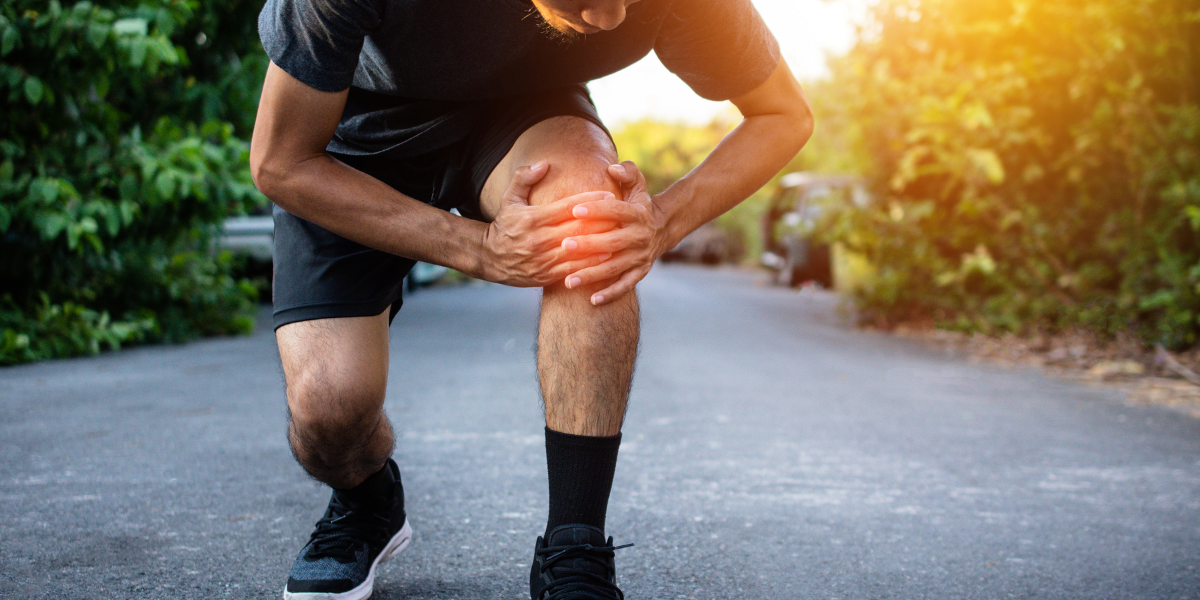
Pain location and timing can provide useful clues during a consultation. They help a clinician decide which structures deserve closer examination and whether imaging or another test may add useful information. Pain around the kneecap may point the evaluation toward patellofemoral structures or nearby tendons. Inner-knee pain may lead to questions about arthritis or the meniscus. Outer-knee symptoms may involve different soft tissues or joint structures. Still, location is only one piece of the picture. Two patients can both report inner-knee pain and have completely different causes. Activity triggers, swelling, previous injury, range of motion, and stability still matter.
When Should You Seek Medical Care for Knee Pain?
Mild knee discomfort without a major injury may improve with short-term activity changes and appropriate self-care. Medical evaluation becomes more important when pain persists, keeps returning, worsens, or affects normal function.
Warning Signs That Need Urgent Medical Attention
Seek prompt medical care if you cannot bear weight on the knee, have severe pain after a significant injury, notice an obvious deformity, or develop sudden substantial swelling. A hot, red, swollen knee with fever also needs urgent assessment because infection is a possible concern. Major trauma or a suspected fracture may require emergency department care rather than a routine office appointment.
When To Schedule A Knee Pain Consultation
Schedule a consultation when knee pain keeps returning, gradually worsens, or starts interfering with walking, stairs, exercise, sleep, or work. Repeated buckling, ongoing stiffness, reduced range of motion, persistent swelling, or pain that doesn’t improve after a reasonable period of initial self-care also warrants evaluation. A knee pain doctor Clifton NJ patients see can review the pattern instead of relying on pain intensity alone. Sometimes the more important issue is that the knee no longer feels reliable during everyday movement.
What Can You Do When Knee Pain Starts During A Walk?
If mild knee discomfort begins during a walk and there was no major injury or urgent warning sign, temporarily reduce the activity that is aggravating it. Shortening the walking distance or slowing the pace may be more useful than repeatedly pushing through increasing pain. A cold pack wrapped in cloth may help some people with pain or swelling after activity. Supportive footwear can also matter, particularly if worn-out shoes are changing how you walk.
Gentle movement is often preferable to complete inactivity when it can be done comfortably. A sudden stop in all activity can increase stiffness for some people, while gradual, symptom-guided movement can help maintain mobility. Before using pain medication, check with a healthcare professional if you have other medical conditions, take prescription medicines, have kidney or stomach problems, use blood thinners, or are unsure what is safe.
How Do Doctors Diagnose and Treat Knee Pain?
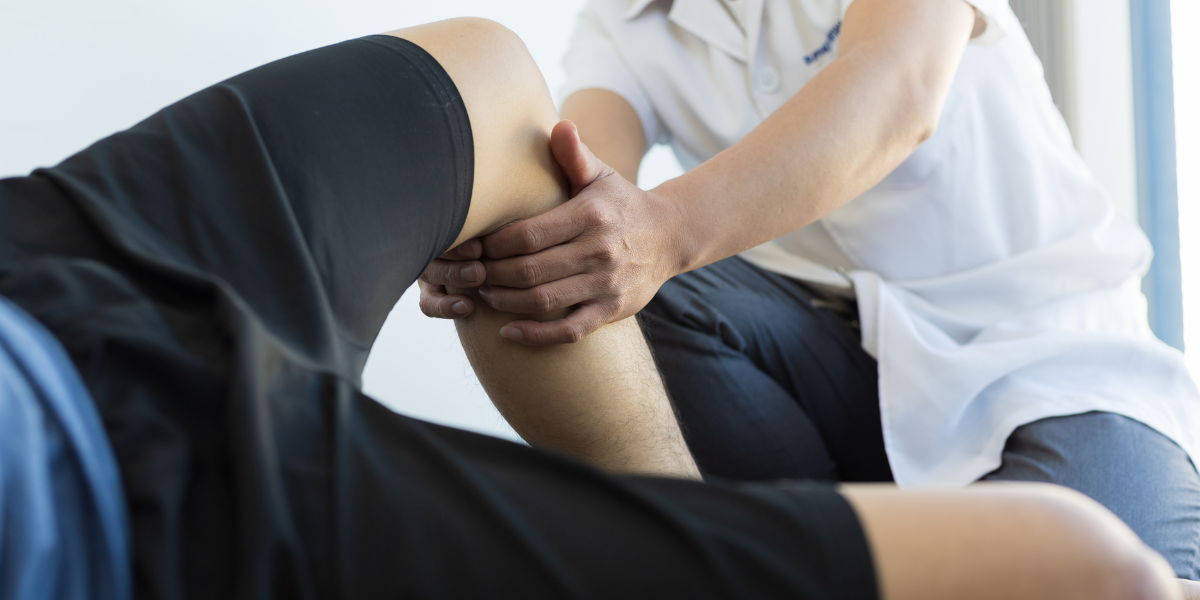
A professional knee evaluation starts with the history and physical examination. Treatment should follow the diagnosis rather than beginning with a procedure simply because the knee hurts.
Physical Examination and Diagnostic Testing
We may ask when the pain started, where it is located, whether there was an injury, what activities worsen it, and whether the knee swells, catches, locks, or gives way. The examination can include range of motion, tenderness, joint stability, strength, swelling, and walking pattern. X-rays can help when arthritis, alignment issues, or bone problems are suspected. MRI may be appropriate for selected soft-tissue or structural concerns, but not every episode of knee pain requires advanced imaging.
Nonsurgical Knee Pain Treatment Options
Many knee problems can initially be managed without surgery. Non-surgical knee pain treatment Clifton NJ patients receive may receive physical therapy, targeted strengthening, activity modification, supportive devices, or clinician-selected pain management.
At TeamMD, our Clifton physical therapy services focus on rehabilitation that is built around the diagnosis, mobility limits, lifestyle, and goals of the patient. Treatment may work on strength, flexibility, movement control, and function. Depending on the cause and severity of pain, a clinician may also discuss medications or selected injections. Those options have different purposes and limitations, so they should be chosen after an evaluation rather than treated as interchangeable fixes.
When is Orthopedic Treatment Necessary?
Orthopedic evaluation becomes especially relevant with significant injury, repeated instability, persistent mechanical catching or locking, advanced joint damage, or symptoms that don’t improve with appropriate conservative care. TeamMD’s Clifton orthopedic service treats knee problems, including ACL injuries, meniscus tears, and advanced arthritis. The current care pathway emphasizes conservative treatment first, with minimally invasive or surgical treatment considered when the diagnosis and functional limitations justify it. Two patients with similar pain while walking may therefore receive different recommendations. One may benefit from rehabilitation for strength and movement control, while another may need a closer orthopedic review because of a structural injury.
How We Help Patients With Knee Pain At TeamMD In Clifton
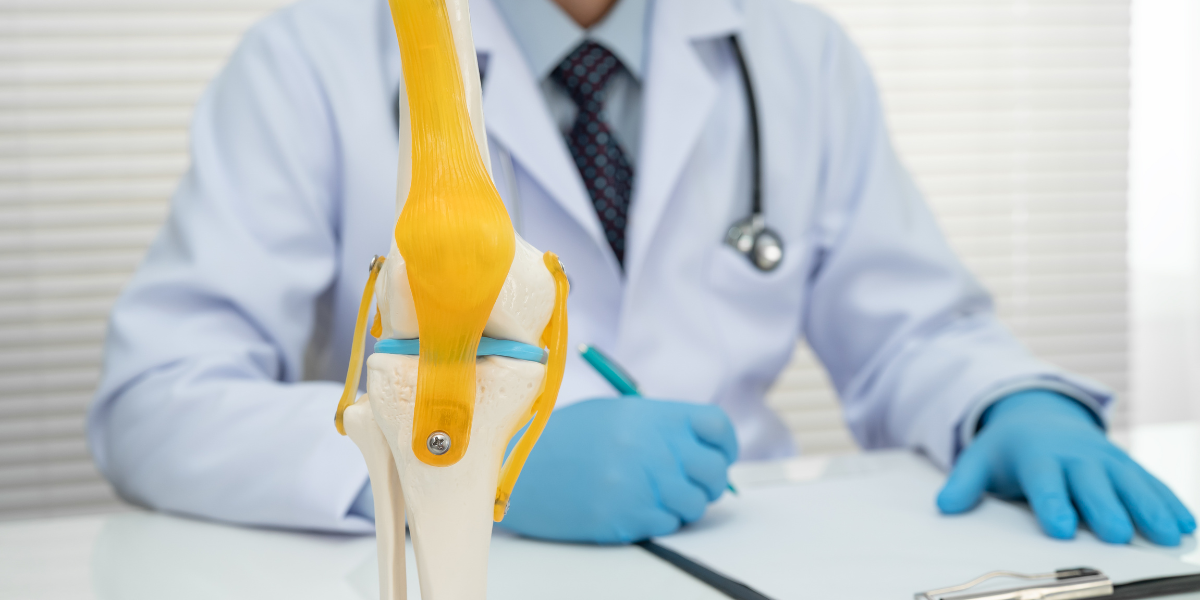
At TeamMD, we understand that knee pain can change ordinary routines quickly. A problem that first appears during a walk can eventually affect stairs, work, exercise, sleep, or confidence in the knee. Our Clifton team evaluates joint pain, prior injuries, mobility limitations, and the activities that matter to each patient before recommending care. Depending on the findings, treatment may involve orthopedics, pain management, physical therapy, activity modification, medication guidance, or another appropriate option.
Personalized Orthopedic and Pain Management Care
Our approach is individualized. We do not assume that everyone with knee pain needs an injection, advanced procedure, or surgery. A knee pain specialist in Clifton, NJ, at TeamMD can review clinical findings and explain which options fit the problem. Our Clifton pain management and orthopedic services both emphasize personalized treatment planning, while physical therapy can support mobility, strength, and functional recovery when rehabilitation is appropriate. The aim is to help patients understand the source of the limitation and choose the next step based on diagnosis, severity, health history, and daily goals.
Conclusion: Know When To Seek Care For Knee Pain In Clifton
Knee pain when walking can come from osteoarthritis, overuse, kneecap-related problems, tendon irritation, meniscus injuries, or other knee conditions. Pain location and activity triggers can provide useful clues, but they cannot replace a proper evaluation when symptoms persist. Mild discomfort may respond to temporary activity changes, cold therapy, supportive footwear, and gradual movement. Severe pain after injury, inability to bear weight, deformity, sudden major swelling, or a hot, red knee with fever needs prompt medical attention. If knee pain is affecting your ability to walk, climb stairs, exercise, work, or complete daily activities, contact TeamMD in Clifton to schedule a consultation. We can assess your knee, discuss appropriate knee pain treatment Clifton, NJ options, and recommend the next step based on your individual needs.