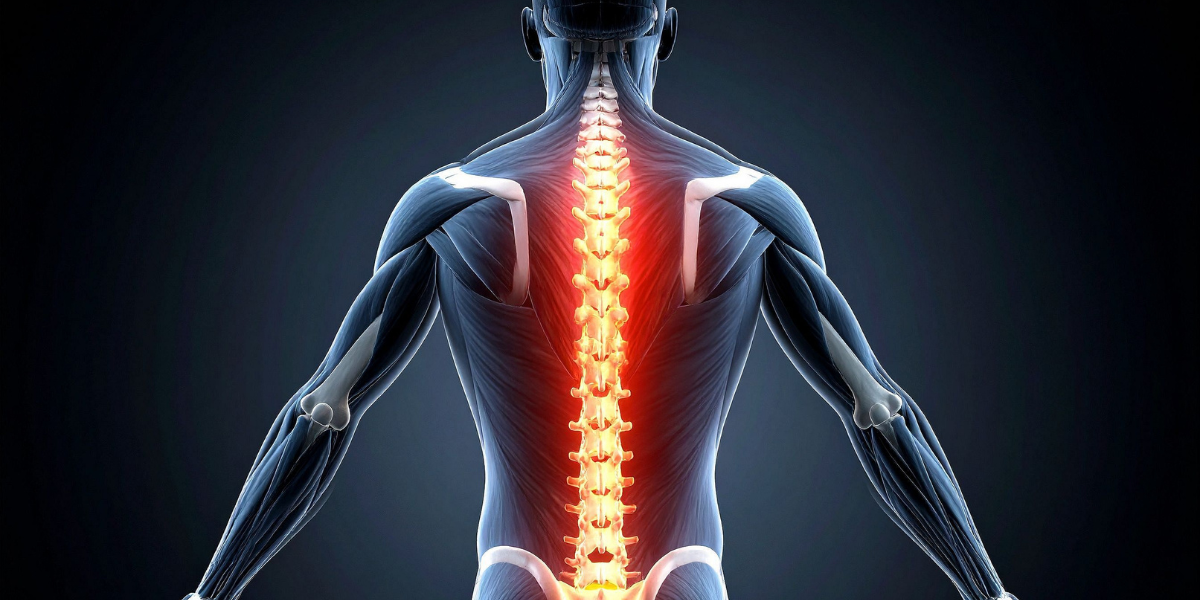
Chronic pain disrupts daily life, leading many to choose minimally invasive procedures for their shorter recovery times and reduced physical strain compared to traditional surgery. Patients prioritize understanding the healing process and the timeline for returning to normal activities.
For those seeking localized care, such as a back pain specialist near Easton, PA, clarity about recovery is essential. Most procedures are performed on an outpatient basis, allowing same-day discharge with manageable discomfort and a swift transition back to routine.
Understanding Minimally Invasive Pain Treatment Procedures
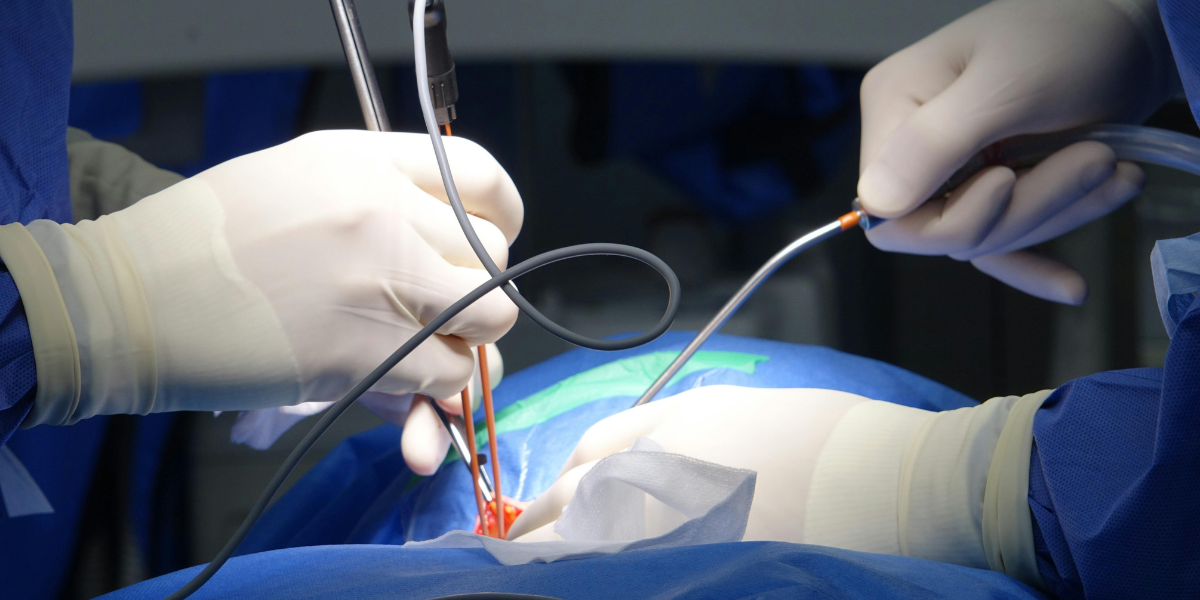
Minimally invasive procedures are designed to treat painful conditions while reducing damage to surrounding tissues. These treatments use advanced imaging guidance, small instruments, and targeted techniques to improve comfort and mobility.
Conditions Commonly Treated
Minimally invasive pain procedures are commonly used to treat chronic back and neck pain caused by disc problems, arthritis, or spinal degeneration. Herniated discs and sciatica often cause pain that radiates from the lower back to the legs, making walking and sitting difficult.
Nerve pain and joint pain can limit flexibility and daily movement. Sports injuries may also cause lingering discomfort that affects physical performance and mobility. Vein-related conditions, such as varicose veins, can cause swelling, aching, and discomfort in the circulation that interfere with everyday activities.
Common Minimally Invasive Procedures
Several procedures are available, depending on the patient’s condition and pain level. Epidural steroid injections help reduce inflammation around irritated nerves, while nerve blocks target specific pain signals.
Radiofrequency ablation uses heat energy to interrupt pain transmission from affected nerves. PRP injections use the body’s own healing properties to support tissue repair. Spinal cord stimulation may help patients with severe chronic pain by altering pain signals before they reach the brain. Vein treatments for varicose and spider veins improve circulation and reduce discomfort with minimally invasive techniques.
Why Patients Choose Minimally Invasive Treatments
Many patients prefer minimally invasive treatments because they involve smaller incisions and limited scarring. Recovery is often easier compared to open surgery, allowing patients to resume daily activities sooner.
These procedures typically involve shorter downtime and outpatient care close to home. Patients throughout New Jersey and eastern Pennsylvania appreciate the convenience of receiving advanced treatment without lengthy hospital stays.
What to Expect Immediately After the Procedure (Days 1–7)

The first week after treatment focuses on rest, symptom monitoring, and light movement. Patients may experience mild soreness, but most procedures allow a fairly quick return home.
Recovery Room and Same-Day Discharge
After the procedure, patients spend a short period in a recovery area where medical staff monitors blood pressure, comfort levels, and mobility. Many minimally invasive procedures allow patients to go home the same day or within 24 to 48 hours.
Transportation planning is important because patients may feel drowsy from medications or sedation. Having a family member or friend available for the ride home provides added safety and support.
Common Pain and Discomfort During Early Recovery
Mild soreness, stiffness, or swelling near the treatment area is common during the first few days. Some patients may notice temporary numbness or tingling, especially after nerve-related procedures.
Pain is usually manageable with over-the-counter medications or light prescription medication recommended by the physician. Applying ice packs for short periods may also help reduce discomfort and swelling.
Activity Guidelines During the First Week
Gentle movement supports circulation and may help reduce stiffness during recovery. Short walks throughout the day are often encouraged, even during the early healing phase.
Patients should avoid bending, twisting, and lifting heavy objects over 10 to 15 pounds. Rest remains important, though staying lightly active can support better mobility and comfort.
Incision and Wound Care Tips
Keeping the incision area clean and dry helps support healthy healing. Patients should follow all instructions regarding bathing, bandage changes, and activity restrictions.
It is important to monitor for redness, unusual drainage, or excessive swelling near the treatment site. Reporting unusual symptoms early allows the medical team to respond quickly if needed.
The First Few Weeks of Recovery (Weeks 1–4)
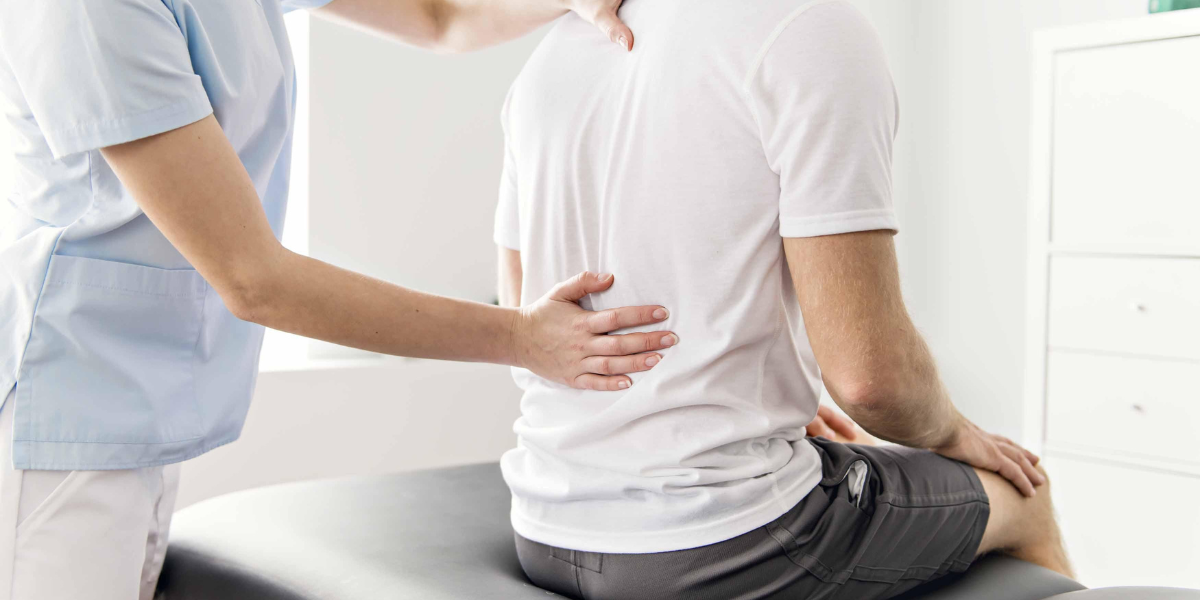
As recovery continues, many patients begin noticing gradual improvements in movement and pain levels. Healing timelines vary based on the procedure performed and the condition being treated.
Gradual Improvements Patients May Notice
During the first few weeks, many patients experience reduced inflammation and less pain during routine activities. Everyday tasks such as standing, walking, and climbing stairs may become easier.
Mobility and flexibility often improve steadily as healing progresses. Patients may notice increased comfort while sitting, driving, or completing household activities.
Returning to Work and Daily Activities
Patients with office jobs or light-duty responsibilities may return to work within two to four weeks, depending on the procedure and recovery progress. More physically demanding jobs may require additional healing time.
Recovery timelines vary from person to person. Overexertion during the early healing phase can increase discomfort and delay recovery, so gradual progression of activity remains important.
Starting Physical Therapy and Rehabilitation
Physical therapy often becomes an important part of recovery after minimally invasive procedures. Therapy sessions focus on rebuilding strength, improving flexibility, and restoring healthy movement patterns.
Patients may also learn posture correction and body mechanics that help reduce strain on the spine and joints. Rehabilitation supports long-term pain relief and better mobility.
Lifestyle Habits That Support Healing
Simple lifestyle habits can positively influence the healing process. Staying hydrated and getting proper rest helps the body recover more efficiently after treatment.
Smoking may slow circulation and tissue healing, which can interfere with the recovery process. Following personalized recommendations from the physician helps patients recover safely and comfortably.
Long-Term Recovery and Results (After 1 Month)

Long-term healing continues after the first month, especially for patients recovering from spine procedures or chronic pain conditions. Consistent follow-up care and rehabilitation often improve long-term results.
Returning to Normal Activities
Most patients gradually resume regular activities as healing progresses. Walking, working, and physical activity often become more comfortable than before treatment.
Some patients may begin more advanced rehabilitation exercises after physician approval. Controlled exercise programs can improve strength, endurance, and long-term mobility.
Long-Term Pain Relief Expectations
Many patients report significant reductions in chronic pain after minimally invasive treatment. Improved mobility may allow patients to return to hobbies, exercise, and work activities with greater comfort.
Better pain control can also improve sleep quality, emotional well-being, and overall quality of life. Continued follow-up care may help maintain symptom relief over time.
Importance of Ongoing Monitoring
Regular follow-up appointments help physicians track healing progress and evaluate treatment results. Recovery plans may be adjusted if symptoms change or new concerns develop.
Ongoing monitoring may also help prevent future pain flare-ups or reinjury. Early intervention often supports better long-term outcomes for chronic pain management.
When to Contact Your Physician After a Procedure
While most patients recover without major complications, certain symptoms require medical attention. Recognizing warning signs early can help protect recovery and overall health.
Warning Signs That Should Not Be Ignored
Patients should contact their physician if pain suddenly increases or becomes severe after treatment. Excessive swelling, redness, or drainage near the incision area may signal a problem.
Fever or chills can sometimes indicate infection and should never be ignored. Prompt communication with the medical team supports safer recovery.
Numbness or Weakness Concerns
New or worsening numbness may require medical evaluation, especially if symptoms affect the arms or legs. Weakness that interferes with walking or standing should also be reported promptly.
Difficulty walking, changes in balance, or loss of coordination may indicate nerve-related complications that require immediate attention.
Why Early Medical Attention Matters
Early medical attention helps physicians identify complications before they worsen. Timely treatment can improve healing outcomes and reduce the risk of long-term issues.
Patients who communicate concerns quickly often recover more comfortably and with fewer setbacks during rehabilitation.
Important Recovery Tips for Better Healing
Recovery success depends on both medical care and healthy daily habits. Small adjustments at home can improve comfort and support the healing process.
Driving and Transportation Recommendations
Patients should avoid driving while taking prescription pain medication because these medications may affect alertness and reaction time. Driving should wait until movement feels comfortable and unrestricted.
Arranging transportation assistance during the first few days can reduce physical strain and provide extra support while recovering.
Protecting Your Recovery at Home
Preparing a comfortable recovery area at home can improve rest and convenience. Frequently used items should remain within easy reach to reduce unnecessary bending or twisting.
Patients should avoid heavy lifting, strenuous chores, and sudden movements during the healing period. Carefully following medication schedules and care instructions supports a smoother recovery.
Supporting Long-Term Success
Staying active without overexertion can help maintain flexibility and muscle strength after treatment. Good posture and healthy movement habits may also reduce future strain on the body.
Attending all follow-up appointments allows physicians to monitor progress and recommend additional therapies if needed.
Finding the Right Pain Management Specialist Near You

Choosing the right specialist can influence both treatment outcomes and the quality of recovery. Patients benefit from experienced providers who offer advanced technology and personalized care.
What Patients Should Look for in a Provider
Patients should look for board-certified Pain management physicians with experience treating complex spine, joint, and nerve conditions. Advanced minimally invasive technology may improve treatment precision and recovery outcomes.
Personalized treatment plans are also important because every patient experiences pain differently. Recovery recommendations should reflect the patient’s condition, goals, and lifestyle.
Benefits of Choosing a Local Specialist
Choosing a local specialist allows easier access to follow-up appointments and ongoing rehabilitation. Coordinated care between specialists and primary physicians may improve communication and treatment continuity.
Receiving care close to home can reduce travel stress during recovery and provide greater convenience for patients and families.
Local Search Terms Patients Commonly Use
Patients often search online using location-based phrases when exploring treatment options. Common searches include:
- Pain management doctor in Clifton, NJ
- Spine specialist near Jersey City
- Sciatica treatment near Hillsborough, NJ
- Vein treatment in East Brunswick
- Back pain doctor near Easton, PA
- Minimally invasive pain treatment near me
These searches help patients find experienced providers offering specialized care in nearby communities.
How We Support Recovery and Long-Term Pain Relief at TeamMD
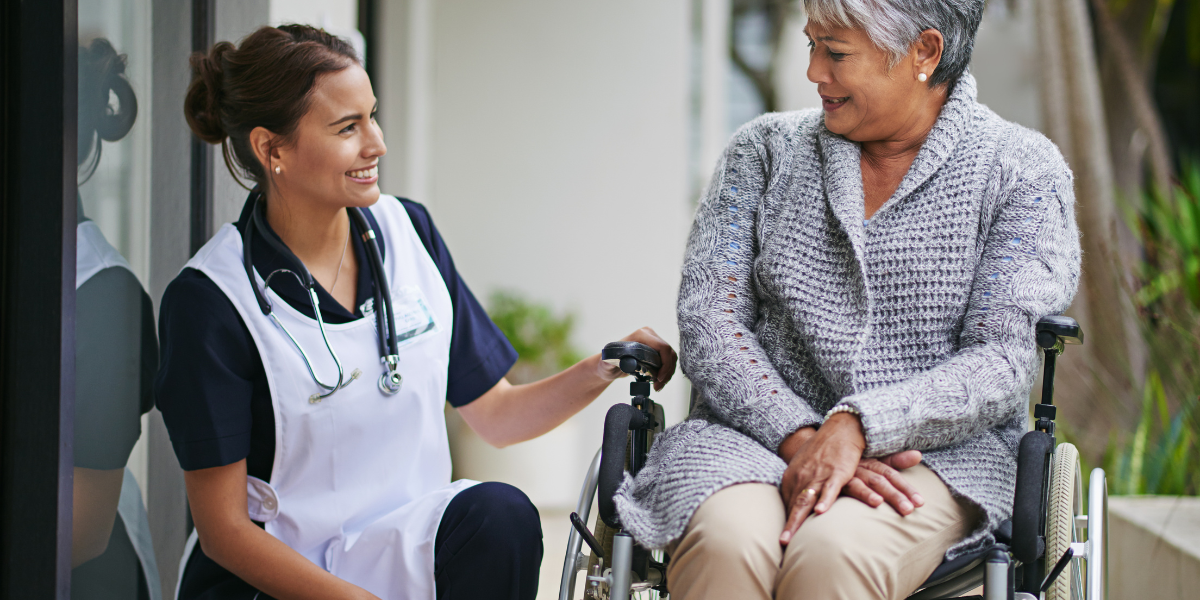
At TeamMD, patient recovery remains a priority throughout every stage of treatment. Our specialists focus on helping patients improve mobility, comfort, and long-term function through personalized care.
Our Personalized Approach to Recovery
We create customized treatment and recovery plans based on each patient’s condition, symptoms, and lifestyle goals. Our specialists guide patients through every phase of healing and rehabilitation with close attention to progress.
Our team focuses on helping patients regain movement safely while improving comfort and confidence during recovery.
Advanced Minimally Invasive Care Across New Jersey and Pennsylvania
We provide pain management, orthopedic care, spine treatment, podiatry, rehabilitation, and vein care services throughout New Jersey and Pennsylvania. Our clinics serve communities including Clifton, Hillsborough, Jersey City, Metuchen, Somerset, East Brunswick, and Easton.
Advanced technology and minimally invasive procedures help reduce downtime and support faster recovery for many patients.
Our Commitment to Helping Patients Return to Daily Life
Our goal is to help patients improve work performance, mobility, and overall quality of life. We work closely with referring physicians and specialists to coordinate care throughout treatment and recovery.
Ongoing progress monitoring helps support long-term pain relief and continued healing success for our patients.
Conclusion
Minimally invasive pain treatment procedures are designed to reduce downtime, improve comfort, and support faster recovery compared to traditional surgical methods. Many patients experience gradual pain relief, improved mobility, and better daily function within weeks after treatment. Following post-procedure instructions, attending follow-up appointments, and maintaining healthy recovery habits can support stronger long-term results. Early communication with your physician about any unusual symptoms also plays an important role in safe healing. Professional care from seasoned specialists can empower you to regain your quality of life if chronic pain has become a daily obstacle. For those seeking sophisticated pain management in Pennsylvania or New Jersey, TeamMD provides tailored treatment plans and minimally invasive alternatives. Book an appointment with our specialists today to arrange a consultation and explore the path toward your recovery.