
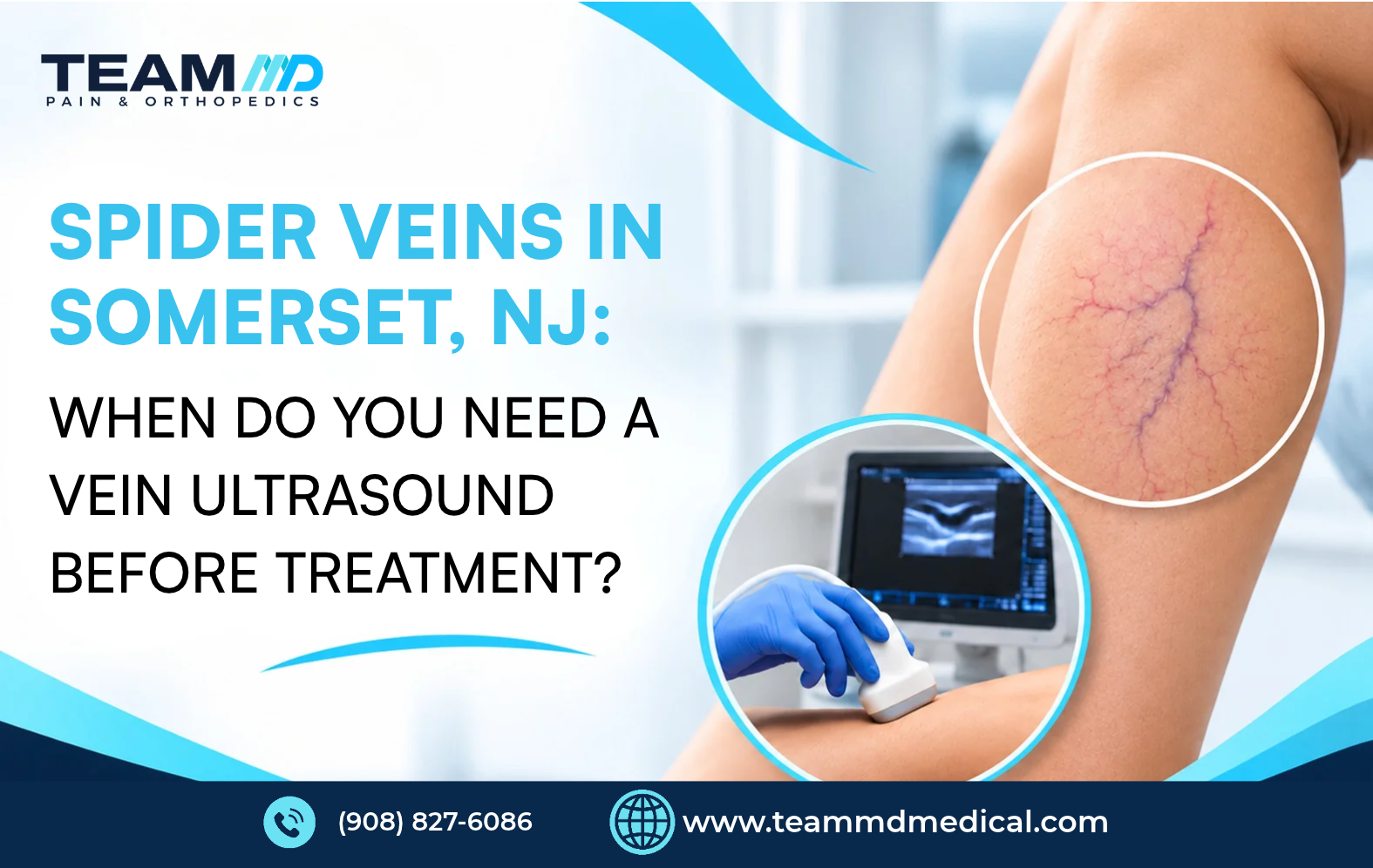
Spider veins are small, visible red, blue, or purple blood vessels that are most often seen on the legs. While they are usually harmless, some people experience leg discomfort, swelling, or other symptoms alongside these visible veins. If you’re thinking about spider vein treatment in Somerset, you may wonder whether a vein ultrasound is necessary before starting treatment. For isolated spider veins that cause no symptoms, an ultrasound is generally unnecessary. However, persistent leg pain, swelling, bulging veins, or a history of blood clots may indicate the need for further evaluation. Understanding when diagnostic imaging is appropriate can help you choose suitable treatment and make informed decisions about your vein health.
What Are Spider Veins, and Should You Be Concerned?
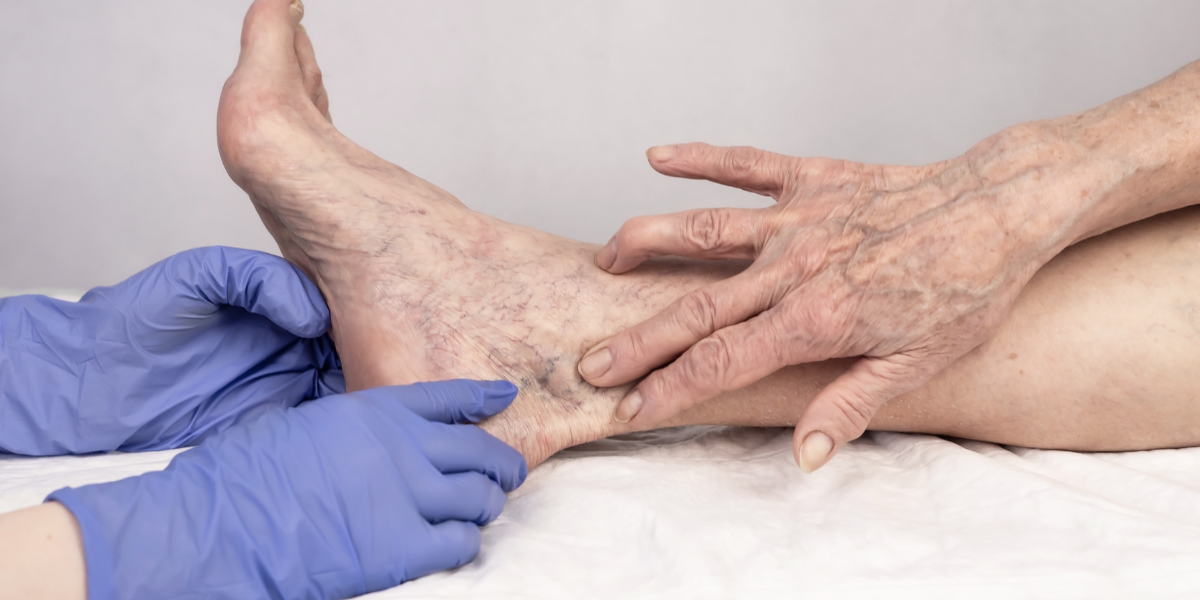
Spider veins, or telangiectasias in medical terms, are small blood vessels that can be seen under the skin. They often form branching, web-like patterns and are primarily a cosmetic concern. However, when they appear alongside persistent leg symptoms, further evaluation may be helpful.
What Causes Spider Veins to Develop?
Several factors can contribute to spider veins, including genetics, aging, hormonal changes, pregnancy, and spending long periods standing or sitting. These factors can affect small blood vessels and increase pressure within the veins of the legs. However, developing spider veins does not necessarily mean you have poor circulation or a serious underlying condition. Learning about spider vein causes and treatment options can help you understand when professional evaluation may be worthwhile.
Spider Veins vs. Varicose Veins
Spider veins are small, flat blood vessels that appear close to the skin’s surface. In contrast, varicose veins are usually larger, raised, and twisted. They may also cause aching, heaviness, or swelling in the legs. Patients considering varicose vein treatment in Somerset may need additional diagnostic testing, especially when symptoms suggest abnormal blood flow or vein function problems.
When Do You NOT Need a Vein Ultrasound Before Spider Vein Treatment?
Not every visible vein needs diagnostic imaging. When spider veins are isolated and cause no significant symptoms, a physical examination may provide enough information to determine whether cosmetic treatment is appropriate.
Spider Veins That Are Purely Cosmetic
Small spider veins that cause no pain or discomfort generally do not require routine duplex ultrasound before cosmetic treatment. The 2023 multisociety clinical guidelines for varicose veins advise against routine ultrasound for asymptomatic spider veins. Performing imaging without a clear medical indication may identify minor abnormalities that do not require treatment, potentially leading to unnecessary procedures.
No Leg Pain, Swelling, or Other Symptoms
If your spider veins are not accompanied by persistent aching, heaviness, burning, throbbing, or leg swelling, diagnostic imaging may provide limited additional information. During an examination, a clinician can assess the visible veins, discuss your concerns, and review your medical history. This assessment helps determine whether spider vein treatment in Somerset can proceed safely and appropriately without an ultrasound.
No Signs or History Suggesting Underlying Vein Disease
The absence of bulging varicose veins, ankle swelling, or concerning changes in skin color and texture makes significant underlying venous disease less likely. However, your medical history remains important. Previous deep vein thrombosis (DVT), blood clots, or vein procedures may influence the decision to recommend imaging, even when visible symptoms appear minor.
When Should You Get a Vein Ultrasound Before Spider Vein Treatment?
A vein ultrasound may be beneficial when symptoms or physical findings raise concerns about underlying circulation problems. Identifying these issues before cosmetic treatment helps your clinician determine whether additional testing or medical care is necessary.
Persistent Leg Pain, Heaviness, or Swelling
Ongoing aching, leg fatigue, cramping, burning, or ankle swelling may suggest an underlying venous condition rather than a purely cosmetic concern. These symptoms deserve attention, especially when they persist or interfere with daily activities. A vein specialist in Somerset can evaluate your symptoms and decide whether duplex ultrasound is appropriate. Understanding why legs ache by the end of the day may also help you recognize patterns that could be associated with circulation problems.
Quick Overview: When Is a Vein Ultrasound Needed?
Spider veins are often cosmetic and do not always require an ultrasound before treatment. However, certain symptoms may indicate an underlying vein condition that needs further evaluation.
- Spider veins without symptoms: Ultrasound is usually unnecessary.
- Persistent leg pain or burning: Imaging may be appropriate if an underlying vein problem is suspected.
- Leg swelling or heaviness: An ultrasound may help assess vein circulation and valve function.
- Visible varicose veins: Duplex ultrasound is generally recommended when varicose veins are symptomatic.
- Before spider vein treatment: A vein specialist determines whether imaging is needed based on symptoms and examination findings.
Remember: Not every patient with spider veins needs an ultrasound. The decision depends on individual clinical findings.
Signs of Venous Insufficiency or Varicose Veins
Certain changes in the appearance or condition of your legs may indicate problems with venous circulation. Common warning signs include:
- Bulging or twisted veins beneath the skin
- Persistent swelling around the ankles
- Brownish discoloration or thickening of the lower-leg skin
When these signs occur alongside discomfort or other symptoms, duplex ultrasound can help evaluate blood flow and vein valve function. The findings may help your clinician identify venous insufficiency and recommend appropriate next steps.
Spider Veins That Return After Previous Treatment
Spider veins can sometimes reappear after treatment, while new vessels may develop in nearby areas over time. Recurrence does not automatically mean the original treatment was unsuccessful or that a serious circulation problem exists. However, recurring spider veins accompanied by aching, heaviness, or swelling may warrant further investigation. Ultrasound can help identify underlying venous reflux or larger feeder veins that may be contributing to the condition.
Previous Blood Clots or Skin Changes
A history of DVT, previous vein procedures, or significant changes in the skin around your lower legs can influence whether diagnostic imaging is recommended. These factors may indicate circulation problems that deserve closer examination. If one leg swells suddenly and painfully, see a doctor immediately. It could be a blood clot. If chest pain or difficulty breathing develops, seek emergency medical care immediately.
Understanding Spider Veins and Venous Insufficiency
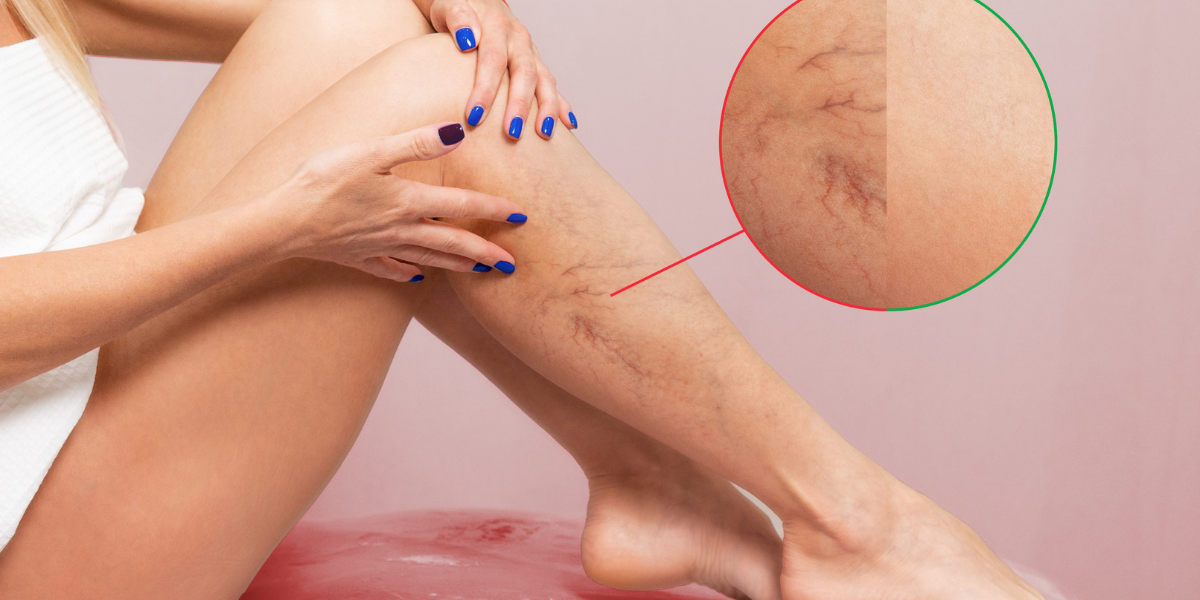
Spider veins and chronic venous insufficiency can occur together, but they are separate conditions. Understanding how blood circulates through the legs helps explain why some patients benefit from additional testing before treatment.
How Venous Insufficiency Affects Blood Circulation
Healthy veins contain valves that help blood travel upward from the legs toward the heart. When these valves weaken or become damaged, blood may flow backward and collect in the lower extremities. This backward movement, known as venous reflux, can contribute to swelling, aching, heaviness, and other symptoms associated with chronic venous insufficiency. Symptoms may become especially noticeable after prolonged standing or sitting.
Can Spider Veins Be Connected to Deeper Vein Problems?
Some spider veins are connected to larger reticular veins or occur alongside abnormal blood flow within the superficial venous system. In certain patients, these findings may be associated with underlying venous reflux. However, the presence of spider veins alone does not confirm venous insufficiency. A clinician considers your symptoms, medical history, and physical examination before deciding whether further testing is necessary.
Why Identifying Underlying Vein Problems Matters
Clinically significant venous reflux can affect treatment decisions, particularly when visible veins occur alongside persistent discomfort or swelling. Before recommending vein treatment in Somerset, clinicians may need to determine whether the symptoms originate from larger malfunctioning veins instead of the smaller vessels visible beneath the skin. Identifying the source of the problem helps guide appropriate treatment planning.
Why Is a Spider Vein Ultrasound Important Before Treatment?
When medically indicated, duplex ultrasound provides valuable information about vein function and circulation that cannot always be obtained through a physical examination. These findings can help clinicians understand the cause of symptoms and select appropriate treatment options.
How Duplex Ultrasound Examines Vein Health
Duplex ultrasound combines sound-wave imaging with Doppler technology to examine the structure of veins and the direction of blood flow. The test can identify venous reflux, which occurs when blood moves backward through valves that are not functioning properly. It is a non-invasive examination that involves no radiation and generally causes little discomfort.
Detecting Reflux, Feeder Veins, and Circulation Problems
Ultrasound can help identify malfunctioning vein valves, larger vessels contributing to symptoms, and possible obstructions affecting normal blood flow. When clinically necessary, it can also assist in evaluating suspected blood clots. These findings help a vein doctor in Somerset distinguish cosmetic spider veins from underlying medical conditions that may require further attention.
How Underlying Vein Problems May Affect Treatment Results
Untreated, clinically significant venous reflux may contribute to ongoing symptoms or the appearance of recurrent surface veins after treatment. Sclerotherapy may also cause temporary pigmentation changes or telangiectatic mottling, where fine new vessels develop near the treated area. Although ultrasound can support treatment planning when medically appropriate, it cannot prevent every recurrence or cosmetic complication.
What Happens During a Vein Ultrasound in Somerset, NJ?
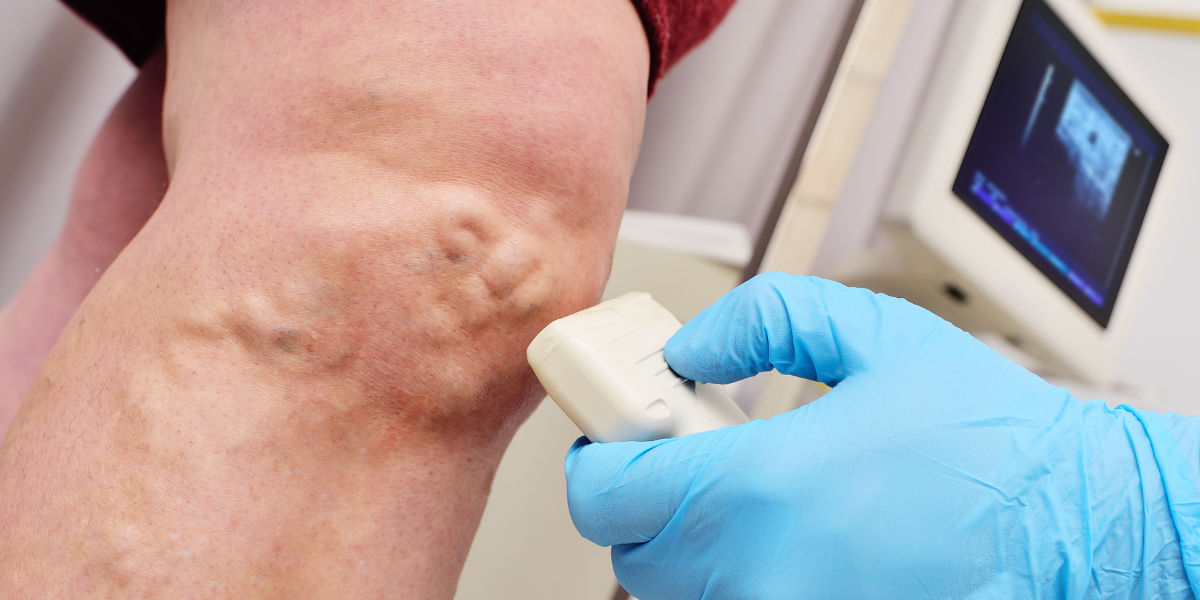
A vein ultrasound is a straightforward diagnostic examination that does not require surgery or radiation. Knowing what to expect can help you feel comfortable and prepared when your clinician recommends the test.
Your Initial Spider Vein Evaluation
Your evaluation typically begins with a discussion of your symptoms, medical history, previous vein treatments, and any noticeable changes in your legs. At a vein clinic in Somerset, the clinician examines your visible veins and evaluates possible signs of circulation problems. Based on these findings, they determine whether diagnostic ultrasound would provide useful information before recommending cosmetic or medical treatment.
What to Expect During the Ultrasound
During the examination, a healthcare professional applies ultrasound gel to your skin and gently moves a handheld probe across the areas being evaluated. The probe produces images that help assess vein structure and blood flow. Depending on the purpose of the test, you may be asked to stand or lie down. Gentle pressure or specific leg movements may also be used to examine circulation.
Understanding Your Ultrasound Results
Ultrasound results may show normal venous circulation, backward blood flow through weakened valves, or possible obstruction within a vein. Your clinician reviews these findings alongside your symptoms, medical history, and physical examination. This combined assessment helps determine whether additional investigation is needed and which treatment options may be appropriate.
How Do Ultrasound Findings Affect Spider Vein Treatment?
Ultrasound findings can influence the type and timing of treatment when an underlying vein condition is suspected. However, identifying an abnormality does not automatically mean that every affected vein requires a procedure.
Treatment When No Significant Venous Reflux Is Found
When no clinically significant underlying venous disease is identified, cosmetic treatments targeting the visible surface veins may be considered. Sclerotherapy involves injecting a specific solution into targeted veins, which causes them to shut and ultimately disappear. Surface laser treatment may also be suitable for certain small vessels, depending on their size, location, and appearance. Patients can explore available spider vein and varicose vein treatment options to understand how different procedures address specific vein conditions.
Treatment When Venous Insufficiency Is Identified
When ultrasound identifies clinically significant reflux associated with symptoms, treatment of the underlying vein condition may be recommended before or alongside cosmetic care. Depending on the findings, varicose vein treatment in Somerset may include radiofrequency vein ablation, a minimally invasive procedure that uses controlled heat to close malfunctioning veins. Another option is endovenous vein ablation, which may use laser energy to treat selected diseased veins. Your clinician considers your vein anatomy, symptoms, and ultrasound findings before recommending a procedure.
Why Personalized Treatment Planning Matters
Patients with similar-looking spider veins may have very different symptoms, medical histories, and treatment goals. As a result, an approach that works well for one person may not be appropriate for another. Personalized treatment planning considers physical examination findings, ultrasound results when available, individual preferences, and realistic expectations. This helps patients pursue suitable care while avoiding unnecessary testing or procedures.
How We Evaluate Spider Veins and Plan Treatment at TeamMD in Somerset, NJ
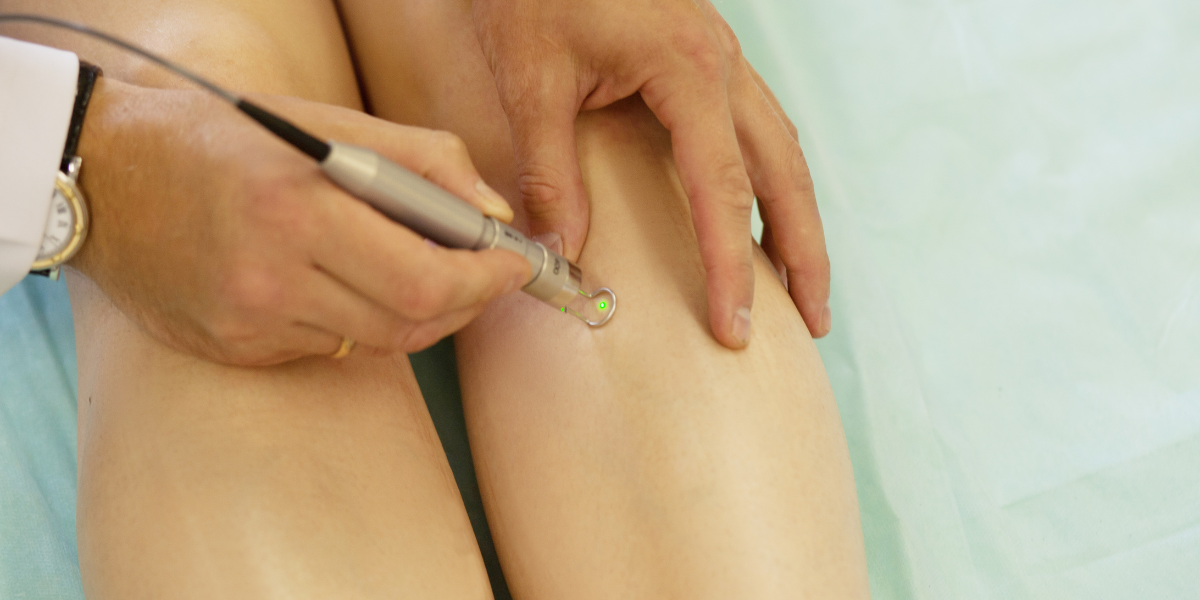
At TeamMD, we understand that visible spider veins can raise concerns about appearance, comfort, and circulation. We focus on understanding each patient’s symptoms and identifying suitable care based on their individual vein health and treatment goals.
We Start by Understanding Your Symptoms and Vein Health
We will first examine your concerns, medical history, and any symptoms you may be experiencing, such as discomfort, heaviness, or edema in your legs. This conversation helps us understand how your vein condition may be affecting your daily life. Our team examines visible veins and looks for signs of underlying circulation problems. We assess whether your concerns appear primarily cosmetic or whether additional medical evaluation may be beneficial.
Our Approach to Diagnostic Testing and Personalized Vein Care
We recommend diagnostic testing based on your symptoms, medical history, and clinical examination rather than assuming every patient needs an ultrasound. When additional testing is appropriate, we explain why it may be helpful and how the findings could influence your care. Our recommendations for vein treatment in Somerset consider your specific vein condition, comfort, and personal goals, helping you understand the available options before making a treatment decision.
Convenient Spider Vein Evaluation in Somerset, NJ
Our Somerset location welcomes patients from the surrounding New Jersey communities who are seeking evaluation for spider veins, varicose veins, and circulation-related symptoms. If you are searching for a local provider, our Somerset vein specialist services offer information about available evaluations and treatment approaches. Contact our team to schedule a consultation and discuss whether a vein ultrasound is appropriate for your symptoms and treatment needs.
Conclusion
Most isolated spider veins that cause no symptoms do not require routine ultrasound before cosmetic treatment. However, persistent leg pain, swelling, bulging veins, concerning skin changes, or a history of blood clots may indicate a need for additional evaluation. An appropriate diagnosis helps identify possible circulation problems, guides treatment decisions, and reduces the likelihood of unnecessary diagnostic procedures. If you’re thinking about spider vein treatment in Somerset, contact TeamMD to schedule a personalized vein consultation. Our team can review your concerns, discuss suitable treatment options, and help you take the next step toward better vein health.
Frequently Asked Questions About Spider Vein Ultrasound
Questions about diagnostic testing, treatment options, and insurance coverage are common among patients considering spider vein care. Understanding these practical details can help you prepare for an evaluation and discuss your concerns with confidence.
Do Spider Veins Need an Ultrasound Before Sclerotherapy?
Usually, no. Isolated spider veins that cause no significant symptoms generally do not require routine duplex ultrasound before sclerotherapy. However, persistent leg discomfort, visible varicose veins, bleeding, or concerning changes in the skin may indicate a need for additional testing. Your clinician can determine whether imaging is appropriate based on your examination.
Can Spider Veins Be Treated Without an Ultrasound?
Yes. Many patients can receive spider vein treatment in Somerset following a clinical examination without undergoing diagnostic ultrasound. If your medical history, symptoms, and examination findings do not suggest significant underlying venous disease, your clinician may recommend cosmetic treatment without additional imaging.
Is a Spider Vein Ultrasound Painful?
A vein ultrasound is generally painless and does not require needles, incisions, or radiation. You may notice mild pressure as the healthcare professional moves the probe across your skin. Certain examination maneuvers may cause brief discomfort, but most patients tolerate the procedure well.
Can Spider Veins Come Back After Treatment?
Yes. Some previously treated veins may remain visible or recur, and new spider veins can develop as time passes. Recurrence can happen for several reasons, including genetic factors and changes in vein health. If returning veins are accompanied by significant discomfort or swelling, further evaluation may help identify contributing circulation problems.
Will Insurance Cover a Vein Ultrasound Before Spider Vein Treatment?
How much it costs depends on your own policy and the medical cause for the assessment. A diagnostic vein ultrasound may be covered when medically necessary, while procedures performed solely for cosmetic purposes are generally excluded from coverage. You can review TeamMD’s insurance and payment information and contact your insurance provider to confirm eligibility, documentation requirements, and potential out-of-pocket expenses before scheduling treatment.